
Emperor Penguin Reclassified as Endangered Due to Climate Change Impact on Sea Ice
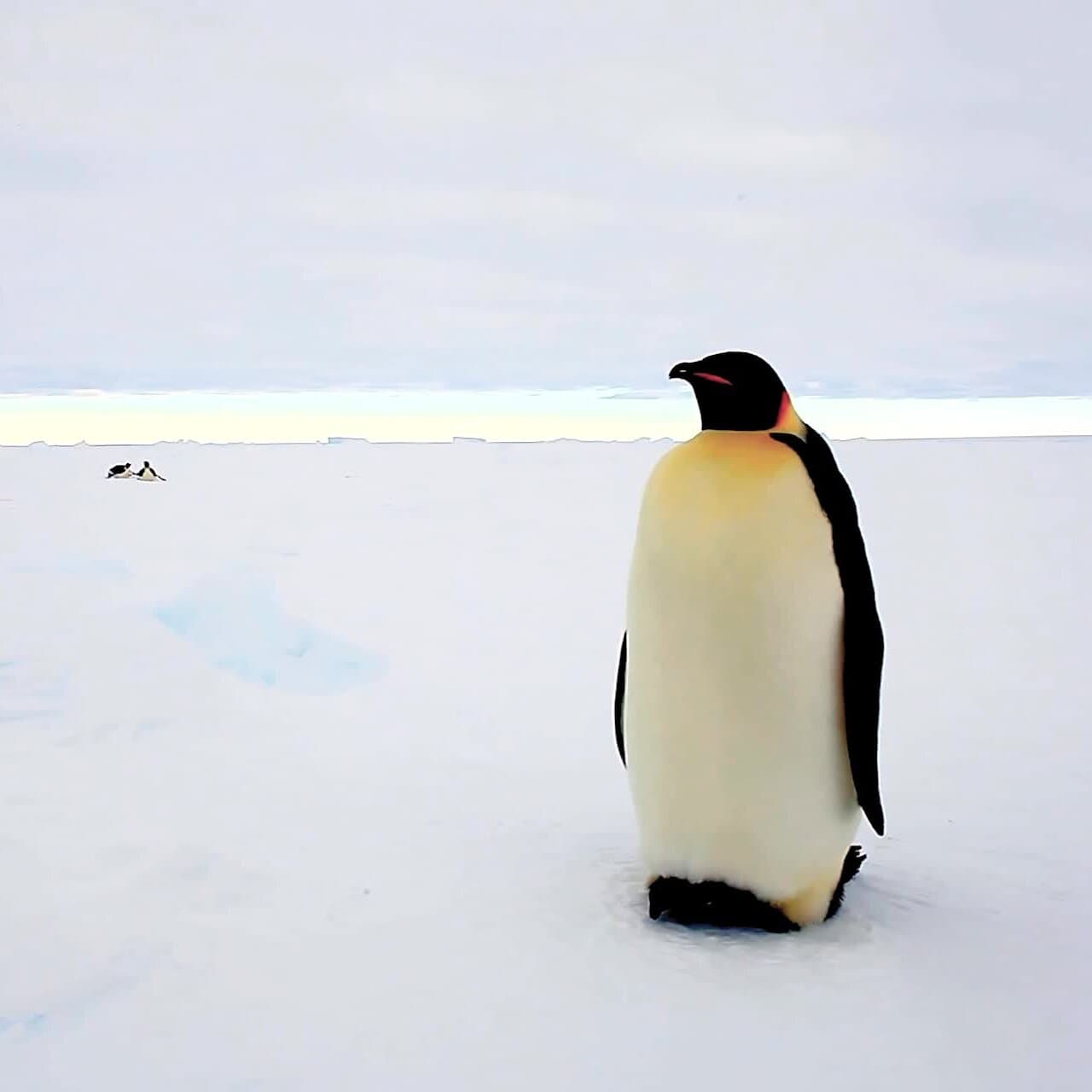
Here's what it means for you.
The reclassification of the emperor penguin as endangered highlights the urgent need for climate action, which could affect global markets and conservation efforts, including those in the UAE.
Why it matters
This shift underscores the broader implications of climate change on biodiversity and the interconnectedness of ecosystems, potentially influencing international policies and market dynamics.
What happened (in 30 seconds)
- On April 9, 2026, the IUCN elevated the emperor penguin from Near Threatened to Endangered status due to climate change-driven sea ice decline.
- Satellite data revealed a nearly 10% global population decline from 2009 to 2018, with a 32% drop in seven Ross Sea colonies between 2020 and 2024.
- Projections suggest that without significant greenhouse gas reductions, emperor penguin populations could halve by the 2080s.
The context you actually need
- The emperor penguin was previously assessed as Near Threatened in 2019, with concerns over diminishing Antarctic sea ice.
- Recent studies have shown escalating declines in populations, prompting the need for reassessment and urgent conservation measures.
- Other species in Antarctica, such as the Antarctic fur seal and southern elephant seal, are also experiencing status shifts, indicating a broader climate impact on ice-dependent wildlife.
What's really happening
The IUCN's reclassification of the emperor penguin as endangered is a direct response to the alarming trends observed in its population and habitat. Satellite imagery has been instrumental in tracking these changes, revealing a significant decline of approximately 10% in the global emperor penguin population from 2009 to 2018, equating to over 20,000 adult birds lost. This decline has been exacerbated by persistent sea ice minima since 2016, which has led to breeding failures and disrupted the penguins' foraging patterns.
The primary driver of these changes is anthropogenic climate change, which has caused premature sea ice breakup in Antarctica. This disruption affects the penguins' ability to breed, molt, and forage, ultimately threatening their survival. The IUCN's updated Red List assessment, coordinated with BirdLife International and the IUCN SSC Penguin Specialist Group, formalizes the Endangered designation based on observed trends and future projections under current emissions scenarios.
The implications of this reclassification extend beyond the emperor penguin itself. It serves as a stark reminder of the fragility of Antarctic ecosystems and the cascading effects of climate change on biodiversity. As ice-dependent species face increasing pressures, the reclassification may prompt stronger conservation efforts and international collaboration to address climate change. The urgency of the situation has been echoed by conservation leaders, with calls for decarbonization and climate action intensifying ahead of the May 2026 Antarctic Treaty Consultative Meeting.
In summary, the emperor penguin's status change reflects a critical moment in the fight against climate change, emphasizing the need for immediate action to protect vulnerable species and their habitats. The interconnectedness of ecosystems means that the decline of one species can have far-reaching consequences for others, including humans, as we all share the same planet and are affected by its changing climate.
Who feels it first (and how)
- Conservation organizations: Increased pressure to mobilize resources for penguin protection and climate initiatives.
- Tourism sectors: Potential declines in wildlife tourism in Antarctica, affecting businesses reliant on eco-tourism.
- Fisheries: Altered ocean currents and marine ecosystems may impact fish stocks, affecting livelihoods in coastal communities.
- Climate policy advocates: Heightened urgency to push for emissions reductions and international agreements on climate action.
What to watch next
- International policy shifts: Watch for new agreements or commitments from nations regarding greenhouse gas emissions, especially in light of the upcoming Antarctic Treaty Consultative Meeting.
- Conservation funding: Monitor increases in funding or initiatives aimed at protecting vulnerable species and ecosystems, particularly in Antarctica.
- Public awareness campaigns: Look for rising public engagement and advocacy efforts focused on climate change and biodiversity, potentially influencing consumer behavior and corporate responsibility.
The emperor penguin population is in decline due to climate change and sea ice loss.
Other ice-dependent species will face similar threats, leading to broader ecological impacts.
The exact timeline and effectiveness of global climate policies in reversing current trends remain uncertain.
Frequently Asked Questions
- Why it matters?
- This shift underscores the broader implications of climate change on biodiversity and the interconnectedness of ecosystems, potentially influencing international policies and market dynamics.
- What happened (in 30 seconds)?
- On April 9, 2026, the IUCN elevated the emperor penguin from Near Threatened to Endangered status due to climate change-driven sea ice decline. Satellite data revealed a nearly 10% global population decline from 2009 to 2018, with a 32% drop in seven Ross Sea colonies between 2020 and 2024. Projections suggest that without significant greenhouse gas reductions, emperor penguin populations could halve by the 2080s.
- What's really happening?
- The IUCN's reclassification of the emperor penguin as endangered is a direct response to the alarming trends observed in its population and habitat. Satellite imagery has been instrumental in tracking these changes, revealing a significant decline of approximately 10% in the global emperor penguin population from 2009 to 2018, equating to over 20,000 adult birds lost. This decline has been exacerbated by persistent sea ice minima since 2016, which has led to breeding failures and disrupted the p
- Who feels it first (and how)?
- Conservation organizations: Increased pressure to mobilize resources for penguin protection and climate initiatives. Tourism sectors: Potential declines in wildlife tourism in Antarctica, affecting businesses reliant on eco-tourism. Fisheries: Altered ocean currents and marine ecosystems may impact fish stocks, affecting livelihoods in coastal communities. Climate policy advocates: Heightened urgency to push for emissions reductions and international agreements on climate action.
- What to watch next?
- International policy shifts: Watch for new agreements or commitments from nations regarding greenhouse gas emissions, especially in light of the upcoming Antarctic Treaty Consultative Meeting. Conservation funding: Monitor increases in funding or initiatives aimed at protecting vulnerable species and ecosystems, particularly in Antarctica. Public awareness campaigns: Look for rising public engagement and advocacy efforts focused on climate change and biodiversity, potentially influencing con
Conservative-leaning political and national coverage.
"The Washington Times is a conservative-leaning newspaper known for its political coverage and advocacy of right-of-center viewpoints."
— A47 Editor
Emperor penguins, Antarctic fur seals now endangered, assessment finds
A new assessment by the International Union for Conservation of Nature has classified emperor penguins and Antarctic fur seals as endangered due to climate change, which is diminishing the sea ice and food sources essential for their survival. This c...
Tech startup news, programming trends, and discussions shared by the developer community.
"Hacker News is a community-driven source highlighting influential tech discussions, startup launches, and programming insights."
— A47 Editor
Emperor penguin and Antarctic fur seal now endangered
The Emperor penguin and the Antarctic fur seal have been classified as endangered species, highlighting the increasing threats to their populations. This classification reflects ongoing environmental challenges and the impact of climate change on the...
Discoveries, research, environment, and health innovations.
"New Scientist is a well-respected publication offering accessible science news, commentary, and expert analysis."
— A47 Editor
Emperor penguins added to endangered list after rapid decline
The International Union for Conservation of Nature has officially added Emperor penguins to the endangered species list following a concerning assessment of their future prospects amid climate change. This decision reflects the alarming decline in th...
Scientific research, space, environment, and health coverage.
"The New York Times is a globally recognized newspaper offering authoritative reporting with a center-left editorial stance."
— A47 Editor
I.U.C.N. Red List Moves Emperor Penguins to “Endangered”
The International Union for Conservation of Nature (I.U.C.N.) has officially classified Emperor Penguins as “Endangered” due to significant population declines linked to climate change, which is causing the retreat of essential sea ice. This change i...
Top international stories selected by The Guardian editors.
"The Guardian is known for its progressive editorial stance and in-depth analysis."
— A47 Editor
Mass drowning of chicks puts emperor penguins at risk of extinction
The International Union for Conservation of Nature (IUCN) has declared emperor penguins officially at risk of extinction due to record low levels of Antarctic sea ice, which has resulted in the mass drowning of chicks that have not yet developed wate...