
UK and Norway Monitor Russian Submarines Near Undersea Cables
Here's what it means for you.
As global supply chains increasingly rely on undersea cables, disruptions could affect internet connectivity and energy prices worldwide.
Why it matters
This incident underscores the vulnerability of critical infrastructure and the potential for geopolitical tensions to impact global markets.
What happened (in 30 seconds)
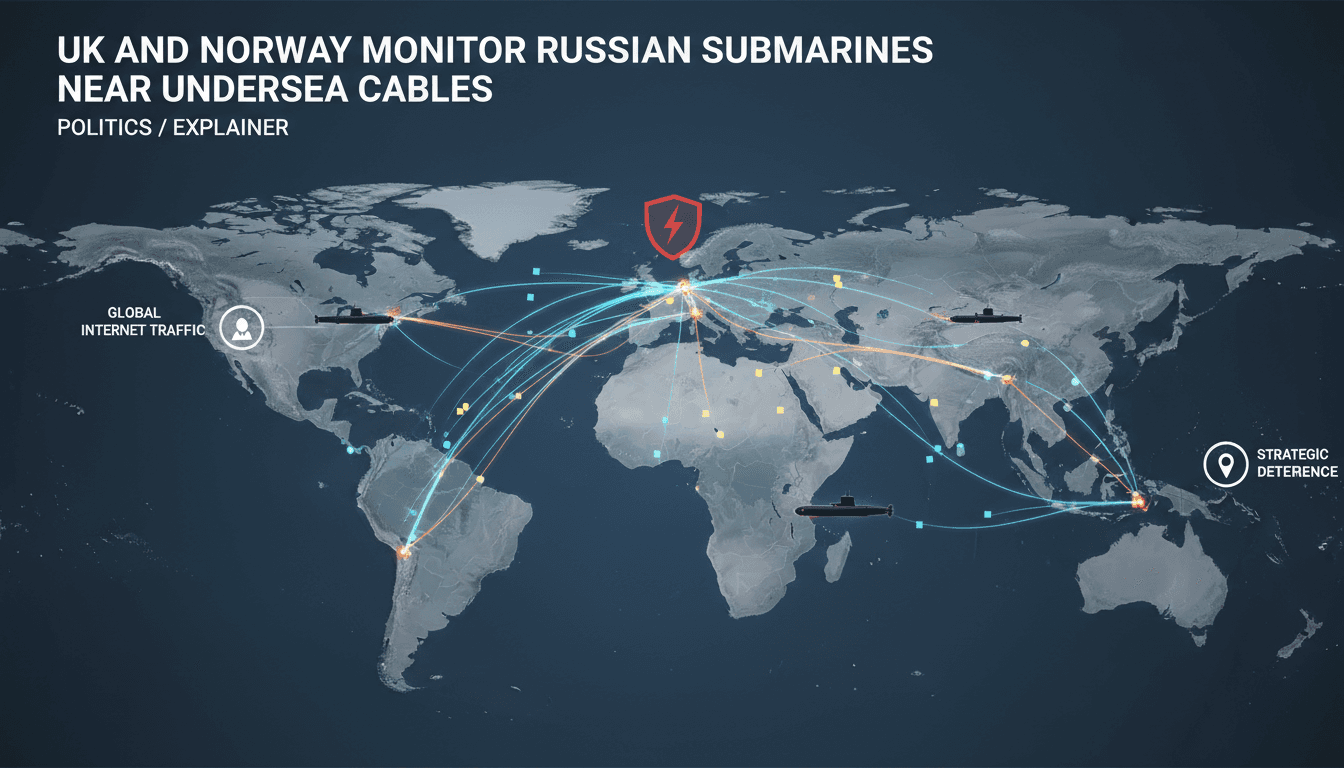
- On April 9, 2026, UK Defence Secretary John Healey revealed that British and Norwegian forces tracked three Russian submarines near vital undersea cables in the North Atlantic.
- The operation, involving an Akula-class submarine and two GUGI spy vessels, aimed to map infrastructure for potential sabotage amid escalating Russia-NATO tensions.
- No damage occurred, and the submarines withdrew after being monitored for a month, but the incident raises alarms about hybrid warfare tactics.
The context you actually need
- Russia's GUGI division specializes in underwater reconnaissance and has a history of targeting undersea infrastructure, raising concerns about future attacks.
- NATO's vigilance has intensified since the 2022 Ukraine invasion, particularly following suspected Russian sabotage of Baltic cables, highlighting the strategic importance of undersea networks.
- The operation coincided with global distractions from conflicts in the Middle East, suggesting a calculated move by Moscow to exploit geopolitical chaos.
What's really happening
In late February or early March 2026, three Russian submarines—one Akula-class attack submarine and two GUGI spy vessels—entered the North Atlantic, north of the UK. This area is home to a network of undersea cables critical for global internet traffic and energy supply. The UK and Norwegian forces, deploying advanced naval assets including the HMS St Albans frigate and P-8 aircraft, initiated a comprehensive surveillance operation. Approximately 500 personnel were involved, conducting 24/7 monitoring to deter any potential threats.
The operation was characterized by hourly sonar drops, which not only tracked the submarines but also exposed their covert mission to map undersea cables and pipelines. This tactic aligns with Russia's hybrid warfare strategy, which aims to undermine Western support for Ukraine by targeting critical infrastructure. The Akula submarine eventually retreated back to Russian waters, while the GUGI vessels withdrew northward.
The UK government’s response was swift, with Defence Secretary Healey publicly warning that any attempt to damage these cables would have serious consequences. This statement was a clear signal to Moscow, emphasizing the UK's commitment to protecting its infrastructure. The Russian embassy, however, dismissed these threats, indicating a potential for ongoing tension.
Despite the heightened military activity, there were no immediate market shifts or energy price fluctuations reported, suggesting that while the incident is significant, its immediate economic impact may be limited. However, the long-term implications could be far-reaching as nations reassess their security strategies regarding undersea infrastructure.
This incident highlights the increasing importance of undersea cables, which carry over 90% of daily internet traffic in the UK alone. With 60 cables landing ashore, the stakes are high for any disruption. As nations navigate these complex geopolitical waters, the potential for hybrid warfare tactics to disrupt global connectivity remains a pressing concern.
Who feels it first (and how)
- Telecommunications companies: Increased scrutiny on undersea infrastructure could lead to higher operational costs and security investments.
- Energy sector stakeholders: Any disruptions to undersea pipelines could affect energy prices and supply chains.
- Government agencies: Heightened military readiness and intelligence operations may strain budgets and resources.
- Consumers: Potential disruptions in internet connectivity could impact daily life and business operations.
What to watch next
- Increased military presence: Monitor NATO's naval operations in the North Atlantic as they respond to perceived threats from Russia.
- Cybersecurity measures: Watch for enhanced security protocols from telecommunications and energy companies to protect undersea infrastructure.
- Geopolitical developments: Keep an eye on Russia-NATO relations, especially regarding any further hybrid warfare tactics that could emerge.
The operation involved tracking three Russian submarines near UK undersea cables.
NATO will increase its surveillance and military readiness in response to this incident.
The long-term impact on global internet connectivity and energy prices remains to be seen.
Frequently Asked Questions
- Why it matters?
- This incident underscores the vulnerability of critical infrastructure and the potential for geopolitical tensions to impact global markets.
- What happened (in 30 seconds)?
- On April 9, 2026, UK Defence Secretary John Healey revealed that British and Norwegian forces tracked three Russian submarines near vital undersea cables in the North Atlantic. The operation, involving an Akula-class submarine and two GUGI spy vessels, aimed to map infrastructure for potential sabotage amid escalating Russia-NATO tensions. No damage occurred, and the submarines withdrew after being monitored for a month, but the incident raises alarms about hybrid warfare tactics.
- What's really happening?
- In late February or early March 2026, three Russian submarines—one Akula-class attack submarine and two GUGI spy vessels—entered the North Atlantic, north of the UK. This area is home to a network of undersea cables critical for global internet traffic and energy supply. The UK and Norwegian forces, deploying advanced naval assets including the HMS St Albans frigate and P-8 aircraft, initiated a comprehensive surveillance operation. Approximately 500 personnel were involved, conducting 24/7 moni
- Who feels it first (and how)?
- Telecommunications companies: Increased scrutiny on undersea infrastructure could lead to higher operational costs and security investments. Energy sector stakeholders: Any disruptions to undersea pipelines could affect energy prices and supply chains. Government agencies: Heightened military readiness and intelligence operations may strain budgets and resources. Consumers: Potential disruptions in internet connectivity could impact daily life and business operations.
- What to watch next?
- Increased military presence: Monitor NATO's naval operations in the North Atlantic as they respond to perceived threats from Russia. Cybersecurity measures: Watch for enhanced security protocols from telecommunications and energy companies to protect undersea infrastructure. Geopolitical developments: Keep an eye on Russia-NATO relations, especially regarding any further hybrid warfare tactics that could emerge.
UK politics, business, and social stories.
"Sky News is a UK-based 24-hour channel known for fast-breaking news and political coverage."
— A47 Editor
Three Russian submarines targeted UK cables, defence secretary says
The UK Defence Secretary John Healey reported that three Russian submarines were detected loitering over critical undersea cables in the North Atlantic, raising concerns about potential threats to the nation's infrastructure. The submarines were part...
Breaking news, politics, business, and entertainment from the U.S. and around the world.
"The New York Post is a tabloid-format newspaper known for its sensationalist headlines and conservative-leaning editorial tone."
— A47 Editor
Trio of Russian spy submarines detected near Britain, UK says
British officials have reported the detection of three Russian submarines near the UK, which are believed to be monitoring critical undersea pipelines in the northern Atlantic. This revelation raises concerns about potential threats to national secur...
Conservative-leaning political and national coverage.
"The Washington Times is a conservative-leaning newspaper known for its political coverage and advocacy of right-of-center viewpoints."
— A47 Editor
U.K. says it stopped Moscow efforts to survey undersea cable network, caused Russian subs to retreat
British officials announced that they successfully thwarted a Russian plan to survey critical undersea cable networks in the North Atlantic, resulting in the retreat of at least three Russian submarines back to their bases. This operation highlights ...