
Ceasefire negotiations between the United States and Iran commence in Islamabad
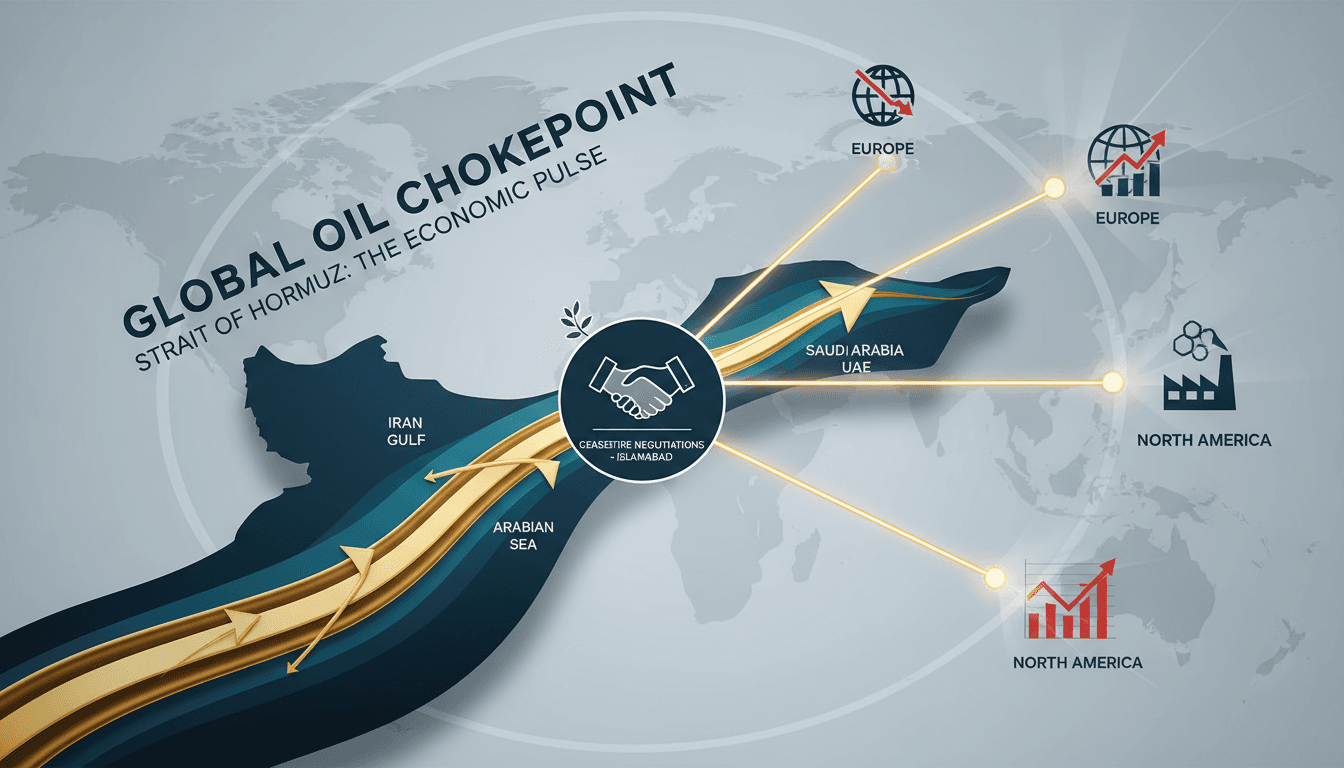
Here's what it means for you.
The outcome of these negotiations could directly impact global oil prices and economic stability, affecting your cost of living and travel plans.
Why it matters
The negotiations in Islamabad are crucial for maintaining stability in a region that significantly influences global oil markets.
What happened (in 30 seconds)
- Ceasefire negotiations between the U.S. and Iran are set to begin on April 11, 2026, in Islamabad, mediated by Pakistan.
- A fragile two-week truce was brokered after 39 days of military operations, with disputes over key issues like nuclear enrichment and the Strait of Hormuz.
- Key participants include U.S. Vice President JD Vance and Iranian officials, with the talks aiming to extend the ceasefire and address ongoing tensions.
The context you actually need
- The conflict escalated on February 28, 2026, when U.S. and Israeli forces launched coordinated airstrikes against Iran, targeting military capabilities.
- Pakistan's mediation led to a two-week ceasefire announced on April 8, 2026, amid fears of further escalation and regional instability.
- Oil markets reacted to the ceasefire, with prices fluctuating as concerns over the Strait of Hormuz's accessibility continued.
What's really happening
The ceasefire negotiations in Islamabad represent a critical juncture in a conflict that has escalated over the past few months, primarily due to longstanding tensions surrounding Iran's nuclear program and its regional activities. The U.S. and Israeli military operations, which began on February 28, 2026, aimed to degrade Iran's military capabilities and induce regime change. This aggressive stance was met with Iranian retaliation, including attacks on Gulf allies and restrictions in the Strait of Hormuz, a vital waterway for global oil transport.
The two-week ceasefire, brokered by Pakistan, is a temporary measure to halt hostilities and create a platform for dialogue. However, the fragility of this truce is evident, with reports of ceasefire violations and ongoing disputes over critical issues such as Lebanon's involvement, nuclear enrichment, and sanctions relief. The U.S. administration, under President Trump, has expressed optimism about the talks but remains cautious, warning against any tolls that could escalate tensions further.
The stakes are high not only for the U.S. and Iran but also for global markets, particularly oil. The Strait of Hormuz is responsible for approximately 20% of the world's oil transit. Disruptions in this region can lead to significant fluctuations in oil prices, which have already seen benchmarks near $170 per barrel due to fears stemming from the conflict. As a result, Dubai residents are experiencing elevated fuel and commodity prices, while the tourism sector faces sharp declines amid war fears.
The negotiations also reflect broader geopolitical dynamics, with Pakistan positioning itself as a mediator in a conflict that has implications for regional stability. The outcome of these talks could either pave the way for a more stable Middle East or lead to further escalation, impacting not only the involved nations but also global economic conditions.
Who feels it first (and how)
- Oil consumers: Higher prices at the pump and increased costs for goods due to rising fuel prices.
- Travelers: Increased airfare and travel costs as airlines adjust to fluctuating fuel prices.
- Expatriates in Dubai: Potential economic instability leading to job losses and reduced living standards.
- Regional businesses: Increased uncertainty affecting trade and investment decisions in the Gulf region.
What to watch next
- Ceasefire compliance: Monitoring reports of violations will be crucial to assess the stability of the truce and its impact on negotiations.
- Oil price fluctuations: Watch for changes in oil prices as negotiations progress, which will directly affect global markets and consumer costs.
- Regional diplomatic responses: Observe how neighboring countries react to the negotiations and any potential shifts in alliances or military posturing.
The ceasefire negotiations are scheduled to begin on April 11, 2026, in Islamabad.
Oil prices will continue to fluctuate based on developments in the negotiations and compliance with the ceasefire.
The long-term implications of the ceasefire on U.S.-Iran relations and regional stability remain uncertain.
Frequently Asked Questions
- Why it matters?
- The negotiations in Islamabad are crucial for maintaining stability in a region that significantly influences global oil markets.
- What happened (in 30 seconds)?
- Ceasefire negotiations between the U.S. and Iran are set to begin on April 11, 2026, in Islamabad, mediated by Pakistan. A fragile two-week truce was brokered after 39 days of military operations, with disputes over key issues like nuclear enrichment and the Strait of Hormuz. Key participants include U.S. Vice President JD Vance and Iranian officials, with the talks aiming to extend the ceasefire and address ongoing tensions.
- What's really happening?
- The ceasefire negotiations in Islamabad represent a critical juncture in a conflict that has escalated over the past few months, primarily due to longstanding tensions surrounding Iran's nuclear program and its regional activities. The U.S. and Israeli military operations, which began on February 28, 2026, aimed to degrade Iran's military capabilities and induce regime change. This aggressive stance was met with Iranian retaliation, including attacks on Gulf allies and restrictions in the Strait
- Who feels it first (and how)?
- Oil consumers: Higher prices at the pump and increased costs for goods due to rising fuel prices. Travelers: Increased airfare and travel costs as airlines adjust to fluctuating fuel prices. Expatriates in Dubai: Potential economic instability leading to job losses and reduced living standards. Regional businesses: Increased uncertainty affecting trade and investment decisions in the Gulf region.
- What to watch next?
- Ceasefire compliance: Monitoring reports of violations will be crucial to assess the stability of the truce and its impact on negotiations. Oil price fluctuations: Watch for changes in oil prices as negotiations progress, which will directly affect global markets and consumer costs. Regional diplomatic responses: Observe how neighboring countries react to the negotiations and any potential shifts in alliances or military posturing.
Capitol Hill news, legislation, and policy insight.
"The Hill specializes in U.S. politics and policy, with a focus on Capitol Hill developments and a reputation for insider reporting."
— A47 Editor
High-stakes talks set for Islamabad over US-Iran war: What to know
High-stakes talks are scheduled in Islamabad this weekend, where U.S. and Iranian officials will negotiate a fragile ceasefire aimed at ending the ongoing war in Iran. The White House has described these discussions as “ongoing,” but the situation re...
English-language news from Qatar covering domestic and regional affairs.
"Gulf Times reflects Qatari perspectives on regional developments."
— A47 Editor
All eyes on Islamabad as US, Iran set for talks
Islamabad, Pakistan, is set to host the first public direct talks between the United States and Iran in several years, scheduled for Friday. This diplomatic engagement follows a two-week ceasefire agreement facilitated by Pakistan, aimed at addressin...
English-language news from Qatar covering domestic and regional affairs.
"Gulf Times reflects Qatari perspectives on regional developments."
— A47 Editor
What is at stake in the Islamabad talks
The United States and Iran are scheduled to hold peace talks in Islamabad, Pakistan, following a two-week ceasefire agreement facilitated by Pakistan. Despite this diplomatic engagement, significant divisions remain between the two nations on key iss...