
easyJet Projects £540–560 Million Pre-Tax Loss Due to Middle East Conflict Fuel Surge
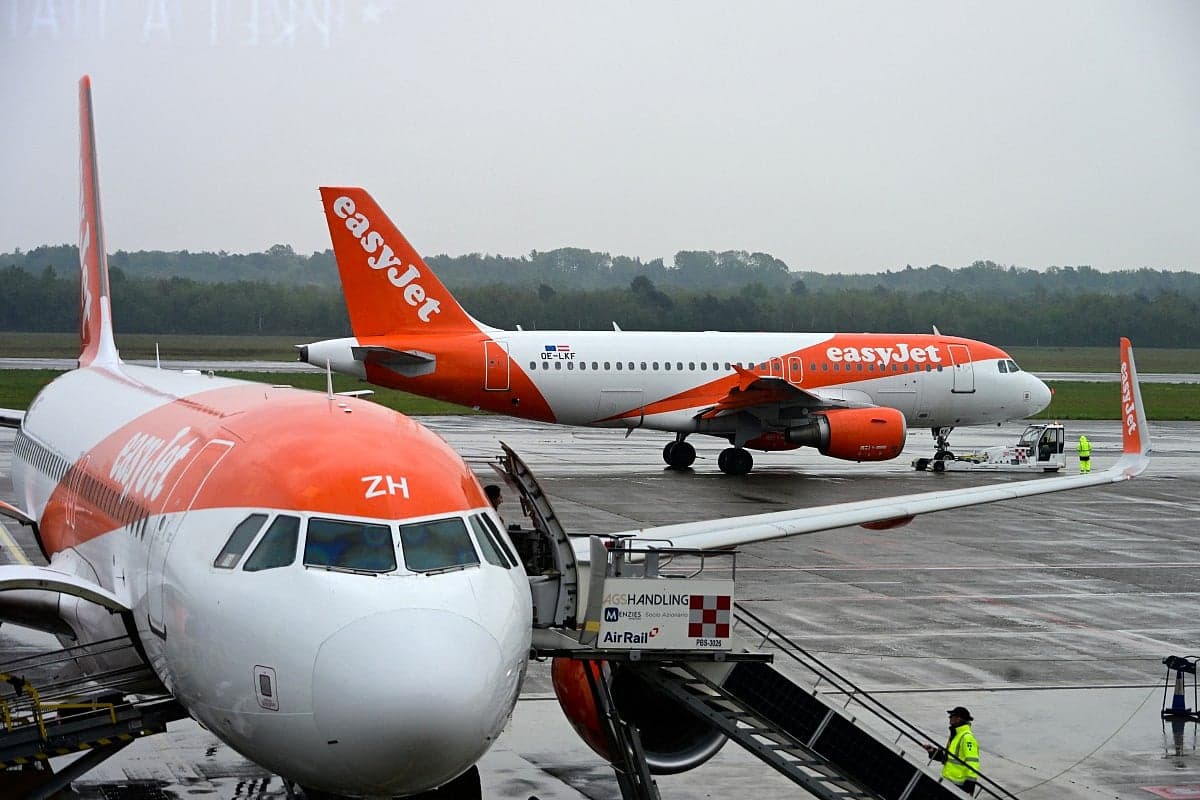
Here's what it means for you.
If you're planning to travel or work in the aviation sector, expect rising costs and potential disruptions.
Why it matters
The widening loss for easyJet signals broader instability in the airline industry, particularly amid geopolitical tensions affecting fuel prices and operational capacity.
What happened (in 30 seconds)
- easyJet announced a projected pre-tax loss of £540–560 million for the first half of FY2026, deepening from £394 million the previous year.
- The airline attributed this loss to £25 million in increased fuel costs due to Middle East conflict, alongside £30 million in legal provisions and competitive pressures.
- Despite a 90% load factor, revenue per available seat kilometer (RASK) grew only 3%, indicating weakened demand in key markets.
The context you actually need
- Escalated Middle East conflict has led to airspace closures and a blockade of the Strait of Hormuz, driving up global jet fuel prices.
- easyJet previously faced losses from regional tensions in 2023–2024, including a £40 million hit from flight suspensions to Israel and Jordan.
- The airline's fuel hedging strategy is currently at 70% for summer fuel at $706 per metric ton, but booking curves are shortening, complicating future revenue forecasts.
What's really happening
The recent announcement from easyJet reflects a confluence of factors that are reshaping the airline's financial landscape. The ongoing conflict in the Middle East has not only disrupted air travel but has also led to significant spikes in fuel prices, which are a major operational cost for airlines. In March alone, easyJet incurred an additional £25 million in fuel costs, a direct consequence of geopolitical tensions that have resulted in airspace closures and supply chain disruptions.
This situation is exacerbated by a competitive airline market where revenue is under pressure. easyJet's revenue per available seat kilometer (RASK) growth of only 3% indicates that while more seats are being filled—evidenced by a 90% load factor—ticket prices are not keeping pace with rising costs. The airline is also facing increased legal provisions, amounting to £30 million, which further strains its financial position.
The airline's hedging strategy, which protects against fuel price volatility, is currently set at 70% for summer fuel. However, with prices exceeding hedged levels and booking curves shortening, easyJet is navigating a precarious financial environment. The airline's ability to maintain profitability hinges on stabilizing fuel prices and improving demand in key markets like Egypt, Turkey, and Cyprus, where it has seen recent weaknesses.
Moreover, the broader implications of this situation extend beyond easyJet. The airline industry as a whole is grappling with the fallout from regional conflicts, which have historically led to increased operational costs and reduced consumer confidence. As airlines adjust their strategies to cope with these challenges, travelers may face higher fares and fewer options, particularly in regions directly impacted by geopolitical tensions.
Who feels it first (and how)
- Travelers: Expect higher ticket prices and potential flight cancellations, particularly for routes affected by Middle East tensions.
- Airline employees: Job security may be threatened as airlines adjust operations to mitigate losses.
- Investors: Increased volatility in airline stocks, with easyJet shares already declining by approximately 9% post-announcement.
- Expats in Dubai: Facing flight disruptions and elevated travel costs due to restrictions and fuel surges.
What to watch next
- Fuel price trends: Monitoring global oil prices will be crucial, as further increases could deepen losses for airlines.
- Booking patterns: Watch for changes in consumer travel behavior, especially in regions affected by geopolitical tensions.
- Regulatory responses: Any government interventions or support measures for airlines could impact operational stability and pricing strategies.
easyJet's pre-tax loss is projected between £540–560 million, influenced by fuel costs and legal provisions.
Continued volatility in fuel prices and competitive pressures will affect airline profitability across the sector.
The long-term impact of geopolitical tensions on consumer travel demand and airline operations remains uncertain.
Frequently Asked Questions
- Why it matters?
- The widening loss for easyJet signals broader instability in the airline industry, particularly amid geopolitical tensions affecting fuel prices and operational capacity.
- What happened (in 30 seconds)?
- easyJet announced a projected pre-tax loss of £540–560 million for the first half of FY2026, deepening from £394 million the previous year. The airline attributed this loss to £25 million in increased fuel costs due to Middle East conflict, alongside £30 million in legal provisions and competitive pressures. Despite a 90% load factor, revenue per available seat kilometer (RASK) grew only 3%, indicating weakened demand in key markets.
- What's really happening?
- The recent announcement from easyJet reflects a confluence of factors that are reshaping the airline's financial landscape. The ongoing conflict in the Middle East has not only disrupted air travel but has also led to significant spikes in fuel prices, which are a major operational cost for airlines. In March alone, easyJet incurred an additional £25 million in fuel costs, a direct consequence of geopolitical tensions that have resulted in airspace closures and supply chain disruptions. This si
- Who feels it first (and how)?
- Travelers: Expect higher ticket prices and potential flight cancellations, particularly for routes affected by Middle East tensions. Airline employees: Job security may be threatened as airlines adjust operations to mitigate losses. Investors: Increased volatility in airline stocks, with easyJet shares already declining by approximately 9% post-announcement. Expats in Dubai: Facing flight disruptions and elevated travel costs due to restrictions and fuel surges.
- What to watch next?
- Fuel price trends: Monitoring global oil prices will be crucial, as further increases could deepen losses for airlines. Booking patterns: Watch for changes in consumer travel behavior, especially in regions affected by geopolitical tensions. Regulatory responses: Any government interventions or support measures for airlines could impact operational stability and pricing strategies.
Top international stories selected by The Guardian editors.
"The Guardian is known for its progressive editorial stance and in-depth analysis."
— A47 Editor
EasyJet warns of impact on profits as Iran war hits bookings and fuel prices
EasyJet has issued a warning that the ongoing war in Iran is adversely affecting its bookings and increasing fuel prices, leading to an anticipated pre-tax loss of £540-£560 million for the first half of 2024-25. The airline noted that passengers are...
UK and international business news, economics, and corporate coverage.
"The Guardian’s business section covers finance and markets with a progressive editorial tone."
— A47 Editor
EasyJet warns of impact on profits as Iran war hits bookings and fuel prices
EasyJet has issued a warning that the ongoing war in Iran is adversely affecting its bookings and increasing fuel prices, leading to an anticipated pre-tax loss of £540-£560 million for the first half of 2024-25. The airline noted that passengers are...
UAE-based newspaper covering Gulf politics, society, and international developments.
"Gulf News is one of the UAE’s most prominent English-language publications."
— A47 Editor
EasyJet says first-half loss to deepen on Mideast war
EasyJet has announced that its first-half losses are expected to deepen due to the ongoing conflict in the Middle East, which has created significant disruptions in travel and tourism. The airline's financial outlook reflects the broader impact of ge...
A curated Gulf News feed featuring major stories across news, business, opinion, and lifestyle.
"Gulf News is a major UAE newspaper whose featured stories feed reflects a broad editorial mix shaped for a Gulf audience."
— A47 Editor
EasyJet says first-half loss to deepen on Mideast war
EasyJet has announced that its first-half losses are expected to deepen due to the ongoing conflict in the Middle East, which has created significant disruptions in travel and tourism. The airline's financial outlook reflects the broader impact of ge...
U.S. business news, corporate developments, and economy.
"The Wall Street Journal is respected for deep financial and economic reporting with a center-right editorial perspective."
— A47 Editor
easyJet Flags First-Half Loss as Middle East Conflict Bites
easyJet has announced it expects to incur a first-half loss due to escalating costs linked to the ongoing conflict in the Middle East, estimating an additional £25 million in fuel costs for March and £30 million in increased legal provisions for hist...
Global markets, investing, and macroeconomics from a premier financial newsroom.
"Bloomberg is respected for in-depth financial reporting and data-driven analysis."
— A47 Editor
EasyJet Shares Slump on Warning of Loss Driven by Iran War
EasyJet Plc shares experienced a significant decline, marking the steepest drop since 2022, following the airline's warning of a loss in the first half of the fiscal year due to disruptions caused by the ongoing conflict in Iran.
Business, markets, economy, and corporate news with strong UAE and regional relevance.
"Emirates 24|7 business coverage tends to center UAE markets, property, regulation, and regional economic developments."
— A47 Editor
EasyJet warns of bigger first-half loss on surging fuel costs, legal bills EasyJet warns of bigger first-half loss on surging fuel costs, legal bills
EasyJet has announced a projected headline pre-tax loss of £540 million to £560 million for the first half of the year, significantly higher than the £394 million loss reported the previous year, primarily due to surging fuel costs linked to the ongo...