
Libya Achieves First Unified National Budget in Over a Decade
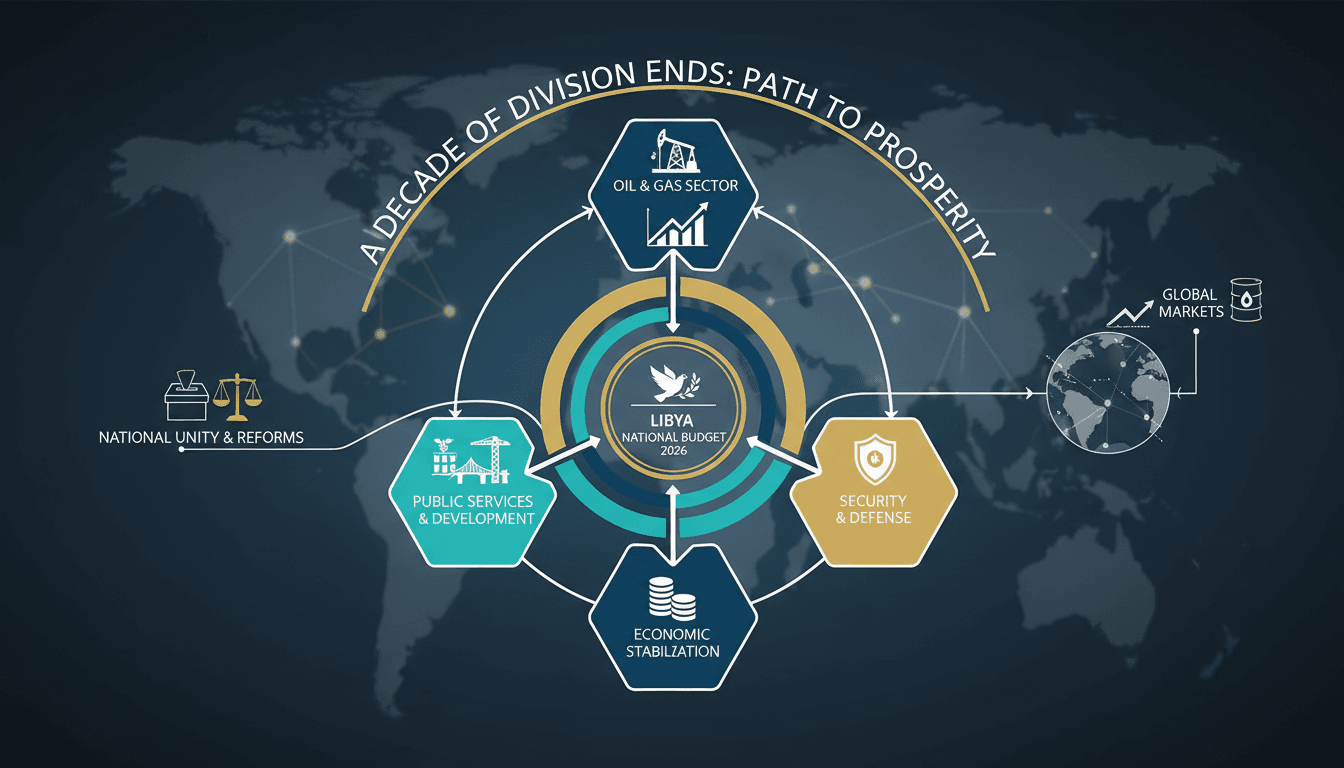
Here's what it means for you.
The unification of Libya's budget could stabilize oil markets, impacting energy prices and expatriate remittances in Dubai.
Why it matters
This budget agreement marks a significant step toward economic stability in Libya, which could influence regional energy markets and expatriate financial flows.
What happened (in 30 seconds)
- On April 11, 2026, Libya's House of Representatives and High Council of State signed the first unified state budget since 2013.
- The budget totals 190 billion Libyan dinars, consolidating public expenditures and eliminating parallel spending.
- U.S. mediation played a crucial role in facilitating this agreement, promoting financial discipline and national unity.
The context you actually need
- Libya has been politically divided since the 2011 overthrow of Muammar Gaddafi, leading to rival administrations and economic fragmentation.
- Parallel budgets have resulted in off-budget expenditures reaching 59 billion dinars in 2024, exacerbating economic instability.
- International interventions, including IMF recommendations, have pushed for expenditure control and financial unification to enable future elections.
What's really happening
The signing of Libya's first unified national budget in over a decade is a pivotal moment in the country’s ongoing recovery from years of political and economic turmoil. The budget, amounting to 190 billion Libyan dinars, is designed to consolidate spending across the historically divided eastern and western administrations. This unification is expected to eliminate the parallel spending that has plagued the nation, which was estimated at 59 billion dinars in 2024.
The negotiations leading up to this agreement were complex and involved significant international mediation, particularly from the U.S. Senior Advisor Massad Boulos. His direct outreach to key stakeholders in the eastern government was instrumental in reviving commitments that had previously faltered. The agreement was formalized in Tripoli, under the supervision of Central Bank Governor Naji Issa, and was endorsed by both Prime Minister Abdul Hamid Dbeibah and eastern leader Osama Hamad.
The budget allocates funds for various critical sectors: 73 billion dinars for salaries, 40 billion for development projects, 37 billion for subsidies, 18 billion for family allowances, and 10 billion for operational costs. This structured approach aims to promote financial discipline and stabilize the Libyan dinar, which has been subject to significant volatility due to the fragmented economic landscape.
The implications of this budget extend beyond Libya's borders. As Libya is a major oil producer, accounting for approximately 95% of its exports, the stabilization of its economy could have a ripple effect on global oil markets, including those in the UAE. Enhanced predictability in Libya's economic environment may lead to increased oil production, potentially benefiting energy prices and the financial stability of Libyan expatriates in Dubai.
The agreement has been welcomed by international bodies such as the UN and IMF, who see it as a step toward greater transparency and accountability in Libya’s financial dealings. With the budget now signed, the focus shifts to implementation, which will be coordinated through Central Bank committees. This stage is crucial as it will determine whether the ambitious goals set forth in the budget can be realized.
Who feels it first (and how)
- Libyan citizens: They may experience improved public services and economic stability through better-funded government programs.
- Oil market stakeholders: Companies and investors in the energy sector could see fluctuations in oil prices based on Libya's production levels.
- Expatriates in Dubai: Libyan nationals working in Dubai may benefit from increased remittances as economic conditions improve at home.
What to watch next
- Implementation of the budget: Monitoring how effectively the budget is executed will indicate whether the anticipated benefits materialize.
- Oil production levels: Increased stability in Libya could lead to higher oil output, affecting global energy prices.
- International investment flows: Watch for changes in foreign investment in Libya, which could signal confidence in the country’s economic recovery.
The budget totals 190 billion Libyan dinars and aims to unify spending.
Improved economic conditions in Libya may lead to increased oil production and stability in the dinar.
The effectiveness of budget implementation and its long-term impact on Libya's political landscape remains uncertain.
Frequently Asked Questions
- Why it matters?
- This budget agreement marks a significant step toward economic stability in Libya, which could influence regional energy markets and expatriate financial flows.
- What happened (in 30 seconds)?
- On April 11, 2026, Libya's House of Representatives and High Council of State signed the first unified state budget since 2013. The budget totals 190 billion Libyan dinars, consolidating public expenditures and eliminating parallel spending. U.S. mediation played a crucial role in facilitating this agreement, promoting financial discipline and national unity.
- What's really happening?
- The signing of Libya's first unified national budget in over a decade is a pivotal moment in the country’s ongoing recovery from years of political and economic turmoil. The budget, amounting to 190 billion Libyan dinars, is designed to consolidate spending across the historically divided eastern and western administrations. This unification is expected to eliminate the parallel spending that has plagued the nation, which was estimated at 59 billion dinars in 2024. The negotiations leading up
- Who feels it first (and how)?
- Libyan citizens: They may experience improved public services and economic stability through better-funded government programs. Oil market stakeholders: Companies and investors in the energy sector could see fluctuations in oil prices based on Libya's production levels. Expatriates in Dubai: Libyan nationals working in Dubai may benefit from increased remittances as economic conditions improve at home.
- What to watch next?
- Implementation of the budget: Monitoring how effectively the budget is executed will indicate whether the anticipated benefits materialize. Oil production levels: Increased stability in Libya could lead to higher oil output, affecting global energy prices. International investment flows: Watch for changes in foreign investment in Libya, which could signal confidence in the country’s economic recovery.
Regional and international reporting focused on Middle Eastern politics, diplomacy, and economics.
"Asharq Al-Awsat is a Saudi-owned international newspaper reflecting mainstream Gulf political perspectives."
— A47 Editor
Libya Signs First Unified State Budget in More Than a Decade
Libya has signed its first unified state budget in over a decade, marking a significant step towards political stability and economic recovery in the country. This budget approval, reported by the central bank, is seen as a crucial move to address th...
Global news coverage with extensive reporting on Middle Eastern conflicts and geopolitics.
"Al Jazeera is a Qatar-based broadcaster known for wide regional coverage and alternative perspectives."
— A47 Editor
Libya approves first unified budget in more than a decade
Libya has approved its first unified budget in over a decade, signaling a significant step towards overcoming internal divisions, as reported by the central bank. This budget deal reflects a rare moment of consensus in a country long plagued by polit...
Comprehensive coverage of Middle Eastern and global issues.
"Al Jazeera is a prominent voice from the Global South, especially the Middle East, with an emphasis on underreported stories."
— A47 Editor
Libya approves first unified budget in more than a decade
Libya has approved its first unified budget in over a decade, signaling a significant step towards overcoming internal divisions, as reported by the central bank. This budget deal reflects a rare moment of consensus in a country long plagued by polit...