
DOJ Dismisses Charges Against Veteran for Flag-Burning Protest
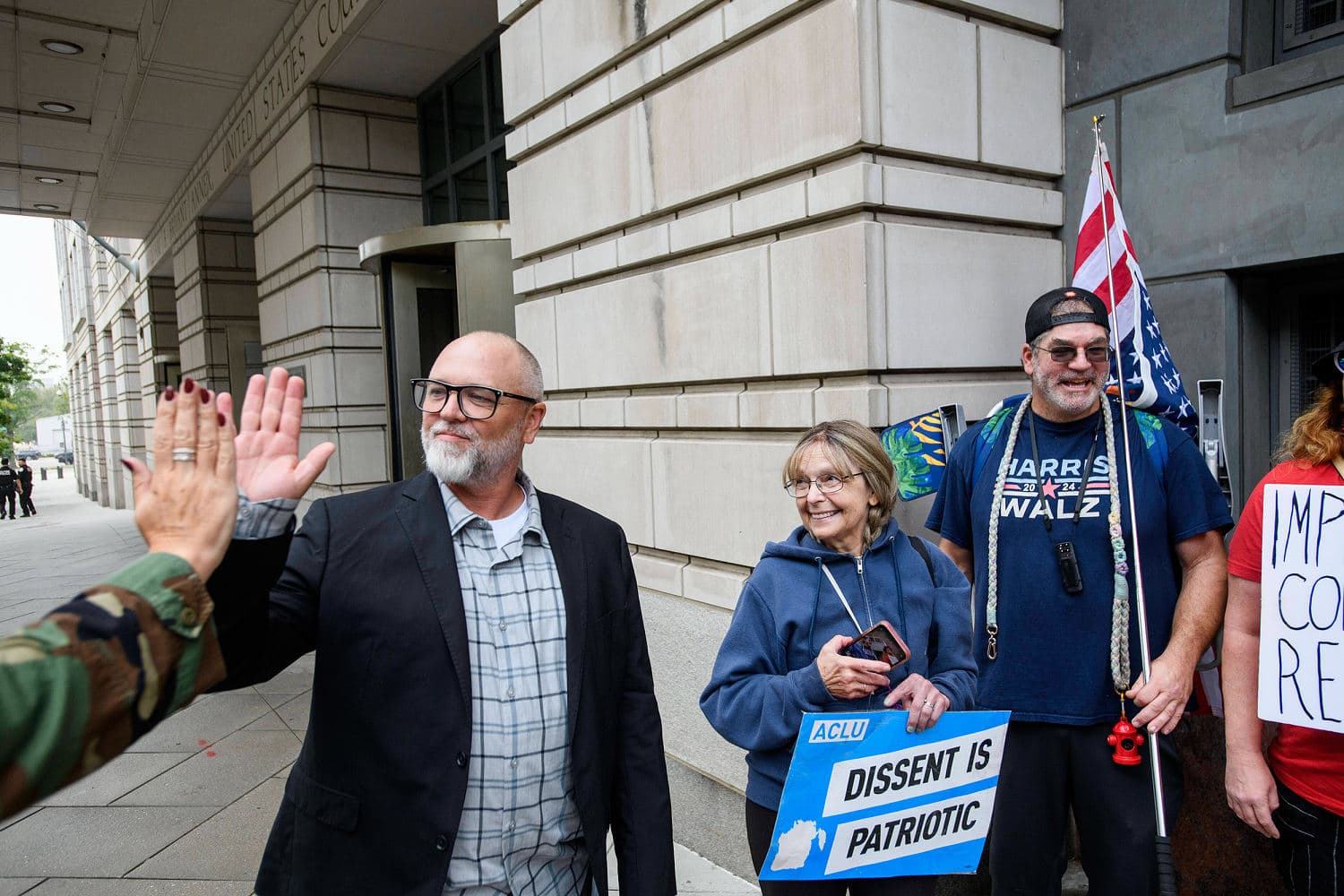
Here's what it means for you.
The dismissal of charges against Jan Carey highlights the ongoing tension between free speech rights and governmental authority, impacting how protests may be perceived and prosecuted in the U.S.
Why it matters
This case underscores the legal complexities surrounding First Amendment rights, which can influence public discourse and protest dynamics.
What happened (in 30 seconds)
- Charges dismissed: The U.S. Department of Justice filed a motion to dismiss misdemeanor charges against Army veteran Jan Carey on March 13, 2026.
- Flag-burning protest: Carey was arrested for burning an American flag in Lafayette Square on August 25, 2025, as a protest against President Trump's executive order on flag desecration.
- Legal scrutiny: A federal judge's ruling allowed for an inquiry into potential vindictive prosecution, leading to the DOJ's dismissal.
The context you actually need
- Executive order: On the same day as the protest, President Trump signed an executive order prioritizing prosecutions for flag desecration, despite Supreme Court rulings protecting such acts as symbolic speech.
- Historical significance: Lafayette Square has been a site of numerous protests, making it a symbolic location for demonstrations against government actions.
- Legal precedents: The Supreme Court's decision in Texas v. Johnson (1989) established that flag burning is protected under the First Amendment, complicating the legal landscape for prosecutions like Carey's.
What's really happening
The dismissal of charges against Jan Carey is a significant moment in the ongoing dialogue about free speech and governmental authority in the United States. Carey's protest was a direct response to President Trump's executive order aimed at increasing prosecutions for flag desecration, a move that many viewed as an infringement on First Amendment rights. By burning the flag in Lafayette Square, Carey positioned himself not only as a protester but also as a defender of constitutional protections, leveraging his status as a combat veteran to amplify his message.
The legal ramifications of this case are profound. The charges against Carey—igniting a fire in a restricted area and damaging park resources—were not directly related to flag burning, raising questions about the motivations behind his prosecution. The federal judge's decision to permit an inquiry into prosecutorial motives indicates a recognition of the potential for political influence in legal actions. This scrutiny is crucial, as it highlights the delicate balance between enforcing laws and respecting constitutional rights.
The DOJ's motion to dismiss the charges, filed just before a mandated disclosure deadline, suggests a strategic decision to avoid further legal entanglements and public scrutiny. By stepping back from the case, the DOJ may be signaling a reluctance to engage in what could be perceived as politically motivated prosecutions, particularly in a highly charged political climate. This dismissal is not just a victory for Carey but also serves as a broader affirmation of First Amendment protections, potentially influencing how similar cases are handled in the future.
The implications extend beyond this specific case. The dismissal may embolden other activists and protesters, reinforcing the idea that symbolic acts of dissent, such as flag burning, are protected forms of expression. This could lead to an increase in protests and demonstrations, as individuals feel more secure in their rights to express dissent against government policies. Conversely, it may also prompt governmental bodies to reconsider how they approach enforcement of laws related to public protests and expressions of dissent.
Who feels it first (and how)
- Activists and protesters: Increased confidence in exercising First Amendment rights could lead to more frequent protests.
- Legal professionals: Attorneys may see a rise in cases challenging the constitutionality of similar prosecutions.
- Government officials: Lawmakers may need to reassess policies regarding public demonstrations to avoid potential backlash.
What to watch next
- Future protests: Monitor upcoming demonstrations related to free speech and governmental authority, as they may increase in frequency and intensity.
- Legal challenges: Keep an eye on new legal cases that arise from similar protests, which could further clarify First Amendment protections.
- Government policy shifts: Watch for potential changes in how the government approaches flag desecration laws and public protest regulations.
The DOJ dismissed the charges against Jan Carey.
Increased public protests and legal challenges regarding First Amendment rights will occur.
The long-term impact on governmental policies regarding protest enforcement remains uncertain.
Frequently Asked Questions
- Why it matters?
- This case underscores the legal complexities surrounding First Amendment rights, which can influence public discourse and protest dynamics.
- What happened (in 30 seconds)?
- Charges dismissed: The U.S. Department of Justice filed a motion to dismiss misdemeanor charges against Army veteran Jan Carey on March 13, 2026. Flag-burning protest: Carey was arrested for burning an American flag in Lafayette Square on August 25, 2025, as a protest against President Trump's executive order on flag desecration. Legal scrutiny: A federal judge's ruling allowed for an inquiry into potential vindictive prosecution, leading to the DOJ's dismissal.
- What's really happening?
- The dismissal of charges against Jan Carey is a significant moment in the ongoing dialogue about free speech and governmental authority in the United States. Carey's protest was a direct response to President Trump's executive order aimed at increasing prosecutions for flag desecration, a move that many viewed as an infringement on First Amendment rights. By burning the flag in Lafayette Square, Carey positioned himself not only as a protester but also as a defender of constitutional protections
- Who feels it first (and how)?
- Activists and protesters: Increased confidence in exercising First Amendment rights could lead to more frequent protests. Legal professionals: Attorneys may see a rise in cases challenging the constitutionality of similar prosecutions. Government officials: Lawmakers may need to reassess policies regarding public demonstrations to avoid potential backlash.
- What to watch next?
- Future protests: Monitor upcoming demonstrations related to free speech and governmental authority, as they may increase in frequency and intensity. Legal challenges: Keep an eye on new legal cases that arise from similar protests, which could further clarify First Amendment protections. Government policy shifts: Watch for potential changes in how the government approaches flag desecration laws and public protest regulations.
Global news coverage with extensive reporting on Middle Eastern conflicts and geopolitics.
"Al Jazeera is a Qatar-based broadcaster known for wide regional coverage and alternative perspectives."
— A47 Editor
Trump administration to drop charges against US veteran who burned flag
The Trump administration has decided to drop charges against veteran Jay Carey, who burned a US flag in protest against an executive order that sought to impose prison terms for such acts. This decision marks a significant shift in the administration...
Comprehensive coverage of Middle Eastern and global issues.
"Al Jazeera is a prominent voice from the Global South, especially the Middle East, with an emphasis on underreported stories."
— A47 Editor
Trump administration to drop charges against US veteran who burned flag
The Trump administration has decided to drop charges against veteran Jay Carey, who burned a US flag in protest against an executive order that sought to impose prison terms for such acts. This decision marks a significant shift in the administration...
Major U.S. developments and regional news.
"ABC News delivers broad national coverage with a mainstream editorial stance, focusing on accessibility and balanced reporting."
— A47 Editor
Feds move to dismiss charges against Army veteran who burned American flag near White House
The Department of Justice has moved to dismiss charges against Army veteran Jan Carey, who was arrested for burning an American flag near the White House in protest of former President Trump's executive order on flag burning. This decision follows a ...
News from the United States including domestic politics, society, and culture.
"The Guardian is known for its progressive editorial stance and in-depth analysis, often advocating for social justice, environmental issues, and liberal values."
— A47 Editor
Justice department drops charges against veteran who burned US flag
The US Department of Justice has dropped charges against Jan “Jay” Carey, a military veteran who burned an American flag near the White House in protest of an executive order banning flag burning signed by Donald Trump.
Top international stories selected by The Guardian editors.
"The Guardian is known for its progressive editorial stance and in-depth analysis."
— A47 Editor
Justice department drops charges against veteran who burned US flag
The US Department of Justice has dropped charges against Jan 'Jay' Carey, a 55-year-old military combat veteran who burned the American flag in Lafayette Square, Washington DC, in protest of President Donald Trump's executive order banning flag burni...
Focused political reporting and governmental affairs.
"NBC News is a mainstream media outlet known for comprehensive national and international news coverage with a centrist to slightly left-leaning editorial tone."
— A47 Editor
DOJ drops case against veteran arrested after burning U.S. flag near White House
The Department of Justice has dropped charges against Jan Carey, a veteran who was arrested after burning a U.S. flag near the White House, following a judge's indication that further inquiry into possible vindictive prosecution was warranted.