
US, Israel, and Iran Agree to Two-Week Ceasefire Amid Ongoing Conflict
Here's what it means for you.
The recent ceasefire between the US, Israel, and Iran could reshape energy markets and geopolitical stability, impacting global supply chains.
Why it matters
This ceasefire marks a critical juncture in Middle Eastern geopolitics, influencing oil prices and regional security dynamics.
What happened (in 30 seconds)
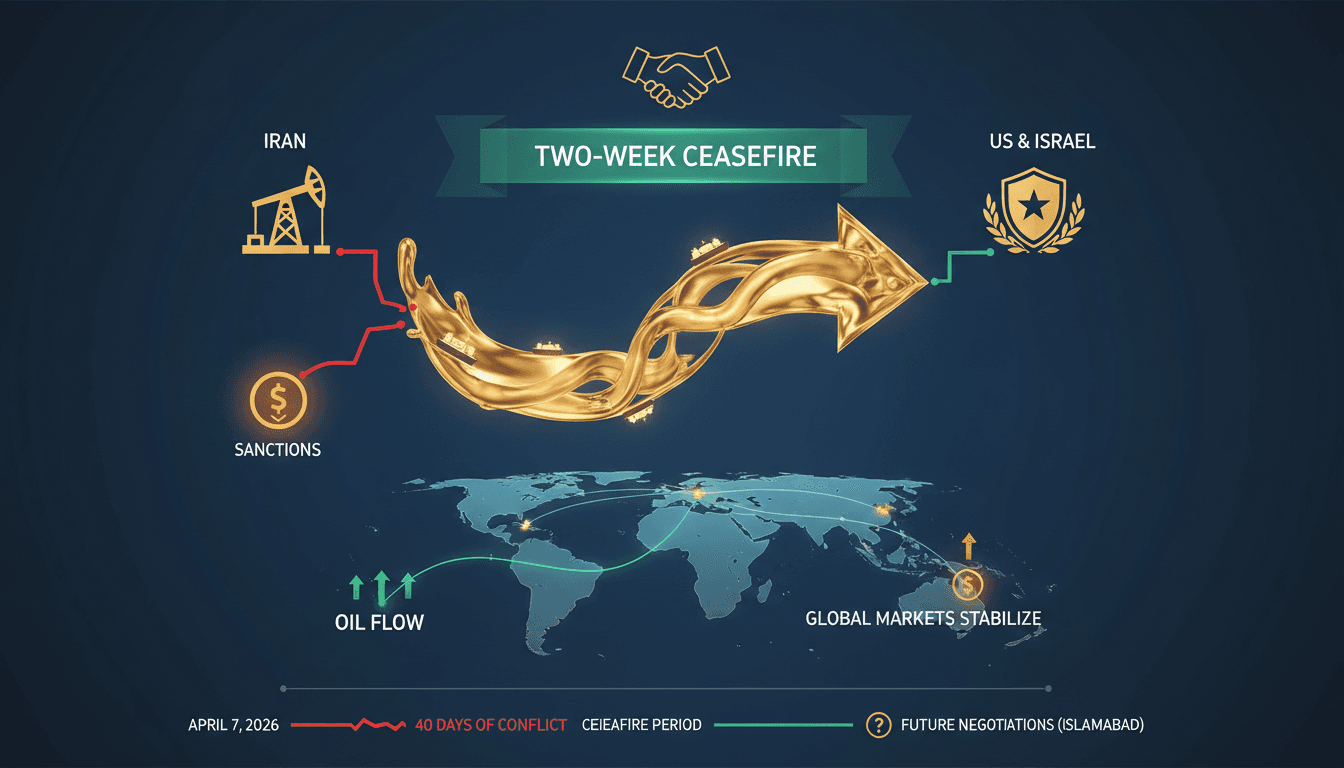
- Ceasefire agreement: On April 7, 2026, the US, Israel, and Iran agreed to a two-week ceasefire after 40 days of conflict.
- Strait of Hormuz reopened: Iran's acceptance of the ceasefire included reopening the vital Strait of Hormuz, crucial for global oil transit.
- Fragile truce: Initial violations have been reported, but negotiations are set to begin in Islamabad on April 10, addressing nuclear and sanctions issues.
The context you actually need
- Escalation of conflict: The ceasefire followed a 40-day war triggered by the assassination of Iran's Supreme Leader, leading to significant military actions and regional instability.
- Economic impact: The conflict disrupted 20% of global oil transit, causing oil prices to spike before the ceasefire announcement, which subsequently saw a 15% drop in prices.
- Diplomatic maneuvering: Pakistan's mediation highlights shifting alliances and the importance of regional players in resolving conflicts that have global ramifications.
What's really happening
The ceasefire agreement reached on April 7, 2026, is a complex interplay of military dynamics and strategic negotiations. The conflict began on February 28, 2026, when Israel assassinated Iran's Supreme Leader Ali Khamenei, leading to a swift escalation of hostilities. Iran retaliated by closing the Strait of Hormuz, which is critical for global oil transport, thereby affecting energy markets worldwide. The US and Israel responded with extensive airstrikes targeting Iranian military capabilities, which reportedly resulted in significant degradation of Iran's defense infrastructure.
Despite the military setbacks, Iran's strategic leverage remains intact, particularly due to its control over the Strait of Hormuz. This vital waterway is responsible for the transit of approximately 20% of the world's oil supply. The reopening of the Strait was a key condition for the ceasefire, demonstrating Iran's ability to influence global energy markets even in a weakened military state. The ceasefire is not merely a pause in hostilities; it is a tactical maneuver that allows Iran to regain some diplomatic footing while negotiating terms that could lead to sanctions relief and discussions on its nuclear program.
The ceasefire's fragility is underscored by reported violations, including missile launches from Iran towards Israel and continued Israeli strikes in Lebanon. These actions indicate that while a formal agreement exists, the underlying tensions remain unresolved. The upcoming negotiations in Islamabad will be critical in determining whether this ceasefire can evolve into a more stable peace or if it will merely serve as a prelude to further conflict.
The global economic implications are significant. Following the ceasefire announcement, oil prices fell by 15%, dropping below $100 per barrel, which reflects market relief but also highlights the volatility of energy prices in response to geopolitical events. Dubai's stock index surged, indicating investor optimism, yet the UAE remains on alert due to missile threats, showcasing the duality of relief and anxiety in the region.
Who feels it first (and how)
- Energy sector: Companies involved in oil production and distribution will experience immediate fluctuations in market prices and supply chain stability.
- Investors: Global markets, particularly in energy stocks, will react to changes in oil prices and geopolitical stability.
- Middle Eastern populations: Residents in conflict zones, especially in Iran and neighboring countries, will feel the direct impact of military actions and economic sanctions.
- Diplomats and policymakers: Those involved in international relations will need to navigate the complexities of the ceasefire and its implications for future negotiations.
What to watch next
- Negotiation outcomes: The talks in Islamabad starting April 10 will be crucial. Success or failure could either solidify the ceasefire or reignite hostilities.
- Oil price trends: Monitor oil prices closely. Any significant fluctuations could indicate shifts in market confidence based on the stability of the ceasefire.
- Military actions: Keep an eye on reports of violations. Continued military engagements could signal the ceasefire's fragility and potential for escalation.
The ceasefire is currently fragile, with initial violations reported.
Negotiations in Islamabad will address sanctions and nuclear issues, influencing future relations.
The long-term effectiveness of the ceasefire in maintaining regional stability remains uncertain.
Frequently Asked Questions
- Why it matters?
- This ceasefire marks a critical juncture in Middle Eastern geopolitics, influencing oil prices and regional security dynamics.
- What happened (in 30 seconds)?
- Ceasefire agreement: On April 7, 2026, the US, Israel, and Iran agreed to a two-week ceasefire after 40 days of conflict. Strait of Hormuz reopened: Iran's acceptance of the ceasefire included reopening the vital Strait of Hormuz, crucial for global oil transit. Fragile truce: Initial violations have been reported, but negotiations are set to begin in Islamabad on April 10, addressing nuclear and sanctions issues.
- What's really happening?
- The ceasefire agreement reached on April 7, 2026, is a complex interplay of military dynamics and strategic negotiations. The conflict began on February 28, 2026, when Israel assassinated Iran's Supreme Leader Ali Khamenei, leading to a swift escalation of hostilities. Iran retaliated by closing the Strait of Hormuz, which is critical for global oil transport, thereby affecting energy markets worldwide. The US and Israel responded with extensive airstrikes targeting Iranian military capabilities
- Who feels it first (and how)?
- Energy sector: Companies involved in oil production and distribution will experience immediate fluctuations in market prices and supply chain stability. Investors: Global markets, particularly in energy stocks, will react to changes in oil prices and geopolitical stability. Middle Eastern populations: Residents in conflict zones, especially in Iran and neighboring countries, will feel the direct impact of military actions and economic sanctions. Diplomats and policymakers: Those involved i
- What to watch next?
- Negotiation outcomes: The talks in Islamabad starting April 10 will be crucial. Success or failure could either solidify the ceasefire or reignite hostilities. Oil price trends: Monitor oil prices closely. Any significant fluctuations could indicate shifts in market confidence based on the stability of the ceasefire. Military actions: Keep an eye on reports of violations. Continued military engagements could signal the ceasefire's fragility and potential for escalation.
24/7 international news from a French perspective in multiple languages.
"France 24 is viewed as a globally focused outlet with balanced coverage and a European perspective."
— A47 Editor
US–Iran ceasefire: Has Iran’s regime emerged weakened or reinforced?
A two-week ceasefire has been agreed upon between the United States and Iran, marking a significant diplomatic development as announced by President Donald Trump. This truce follows 40 days of conflict that resulted in considerable damage to Iranian ...
International coverage from The Guardian's global desks.
"The Guardian is known for its progressive editorial stance and in-depth analysis."
— A47 Editor
Who can claim victory if Iran ceasefire holds? An early winner is China
A two-week ceasefire has been agreed upon between the United States and Iran, facilitated by Pakistan, marking a significant diplomatic breakthrough amid escalating regional tensions. This agreement allows for the reopening of the strategically vital...
UAE-based English-language newspaper covering regional politics, economics, and global affairs.
"The National reflects Emirati policy perspectives while maintaining international editorial standards."
— A47 Editor
Iran war may set limits on how far US tariff war will go
A two-week ceasefire between the United States and Iran has been established, facilitated by Pakistan, amid escalating military tensions in the region, particularly concerning the Strait of Hormuz. This truce comes just before President Trump's ultim...