
Emperor Penguin Elevated to Endangered Status by IUCN Due to Climate Change Impact
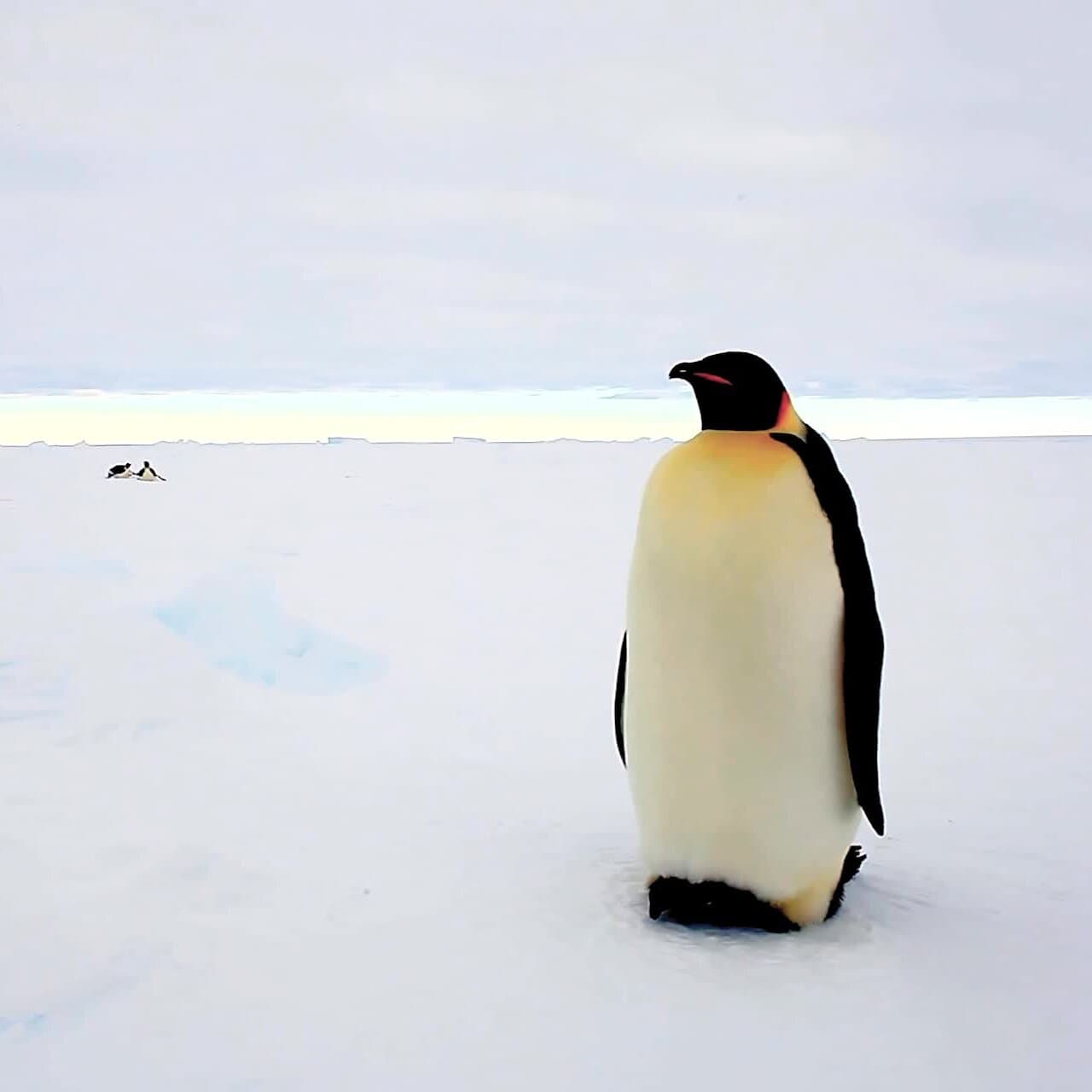
Here's what it means for you.
Your professional landscape may shift as climate change impacts biodiversity, influencing global markets and policies.
Why it matters
The emperor penguin's new endangered status signals urgent climate action needs that could reshape conservation policies and economic strategies worldwide.
What happened (in 30 seconds)
- On April 9, 2026, the IUCN reclassified the emperor penguin from Near Threatened to Endangered due to climate-driven sea ice loss.
- Satellite data revealed a 10% decline in adult emperor penguins, equating to over 20,000 individuals lost between 2009 and 2018.
- Breeding failures linked to early ice breakup have led to increased chick mortality, prompting a reassessment of their conservation status.
The context you actually need
- Persistent sea ice loss in Antarctica has been documented since 2016, affecting critical breeding and foraging sites for emperor penguins.
- Colony collapses and mass chick drownings have been reported due to premature ice melt, highlighting the urgency of the situation.
- Projected population declines could reach 50% by the 2080s under current climate trajectories, emphasizing the need for immediate emission reductions.
What's really happening
The International Union for Conservation of Nature (IUCN) recently elevated the emperor penguin's status to Endangered, a decision driven by alarming trends in climate change and its direct impact on Antarctic ecosystems. Since 2016, satellite observations have shown a consistent decline in sea ice, which is crucial for the breeding and survival of these iconic birds. The loss of stable fast ice has led to increased mortality rates among chicks, as they are more susceptible to drowning or starvation when their habitats are compromised.
BirdLife International, in collaboration with the IUCN SSC Penguin Specialist Group, undertook a comprehensive reassessment of the emperor penguin's population status. This involved analyzing population models across various climate scenarios, revealing that without significant reductions in greenhouse gas emissions, the population could halve by the 2080s. The IUCN's findings underscore the interconnectedness of climate change and biodiversity, illustrating how anthropogenic factors are driving species toward extinction.
The uplisting serves as a critical reminder of the broader implications of climate change, not just for wildlife but for global human systems as well. As the emperor penguin struggles for survival, the ripple effects could influence conservation funding, international policy discussions, and corporate sustainability initiatives. The IUCN Director General, Dr. Grethel Aguilar, described the situation as a "wake-up call," urging immediate action to mitigate climate impacts. This shift in status may also prompt calls for enhanced protections for emperor penguins and their habitats, potentially leading to new conservation measures and international agreements.
As a global trade hub, the UAE's energy policies and participation in climate summits like COP are crucial in addressing the emissions that contribute to these ecological crises. While there may not be immediate local impacts on Dubai residents, the indirect consequences of global climate action—or inaction—could affect economic stability and environmental health in the region.
Who feels it first (and how)
- Conservation organizations: Increased demand for funding and resources to protect endangered species.
- Fisheries and tourism sectors: Potential restrictions on activities in affected areas could impact livelihoods.
- Global policymakers: Pressure to implement stricter emission regulations and conservation measures.
What to watch next
- International climate agreements: Watch for new commitments at upcoming COP meetings that could influence global emission targets.
- Conservation funding trends: Monitor shifts in funding allocations for biodiversity projects, particularly those targeting climate-affected species.
- Public awareness campaigns: Increased advocacy efforts may emerge as organizations seek to raise awareness about the plight of the emperor penguin and similar species.
The emperor penguin's population has declined by 10% between 2009 and 2018.
Without emission reductions, the population could halve by the 2080s.
The specific economic impacts on local industries in regions like Dubai remain to be seen.
Frequently Asked Questions
- Why it matters?
- The emperor penguin's new endangered status signals urgent climate action needs that could reshape conservation policies and economic strategies worldwide.
- What happened (in 30 seconds)?
- On April 9, 2026, the IUCN reclassified the emperor penguin from Near Threatened to Endangered due to climate-driven sea ice loss. Satellite data revealed a 10% decline in adult emperor penguins, equating to over 20,000 individuals lost between 2009 and 2018. Breeding failures linked to early ice breakup have led to increased chick mortality, prompting a reassessment of their conservation status.
- What's really happening?
- The International Union for Conservation of Nature (IUCN) recently elevated the emperor penguin's status to Endangered, a decision driven by alarming trends in climate change and its direct impact on Antarctic ecosystems. Since 2016, satellite observations have shown a consistent decline in sea ice, which is crucial for the breeding and survival of these iconic birds. The loss of stable fast ice has led to increased mortality rates among chicks, as they are more susceptible to drowning or starva
- Who feels it first (and how)?
- Conservation organizations: Increased demand for funding and resources to protect endangered species. Fisheries and tourism sectors: Potential restrictions on activities in affected areas could impact livelihoods. Global policymakers: Pressure to implement stricter emission regulations and conservation measures.
- What to watch next?
- International climate agreements: Watch for new commitments at upcoming COP meetings that could influence global emission targets. Conservation funding trends: Monitor shifts in funding allocations for biodiversity projects, particularly those targeting climate-affected species. Public awareness campaigns: Increased advocacy efforts may emerge as organizations seek to raise awareness about the plight of the emperor penguin and similar species.
Scientific research, space, environment, and health coverage.
"The New York Times is a globally recognized newspaper offering authoritative reporting with a center-left editorial stance."
— A47 Editor
I.U.C.N. Red List Moves Emperor Penguins to “Endangered”
The International Union for Conservation of Nature (I.U.C.N.) has officially classified Emperor Penguins as “Endangered” due to significant population declines linked to climate change, which is causing the retreat of essential sea ice. This change i...
Top international stories selected by The Guardian editors.
"The Guardian is known for its progressive editorial stance and in-depth analysis."
— A47 Editor
Mass drowning of chicks puts emperor penguins at risk of extinction
The International Union for Conservation of Nature (IUCN) has declared emperor penguins officially at risk of extinction due to record low levels of Antarctic sea ice, which has resulted in the mass drowning of chicks that have not yet developed wate...