
US Naval Blockade on Iranian Ports Escalates Global Energy Crisis
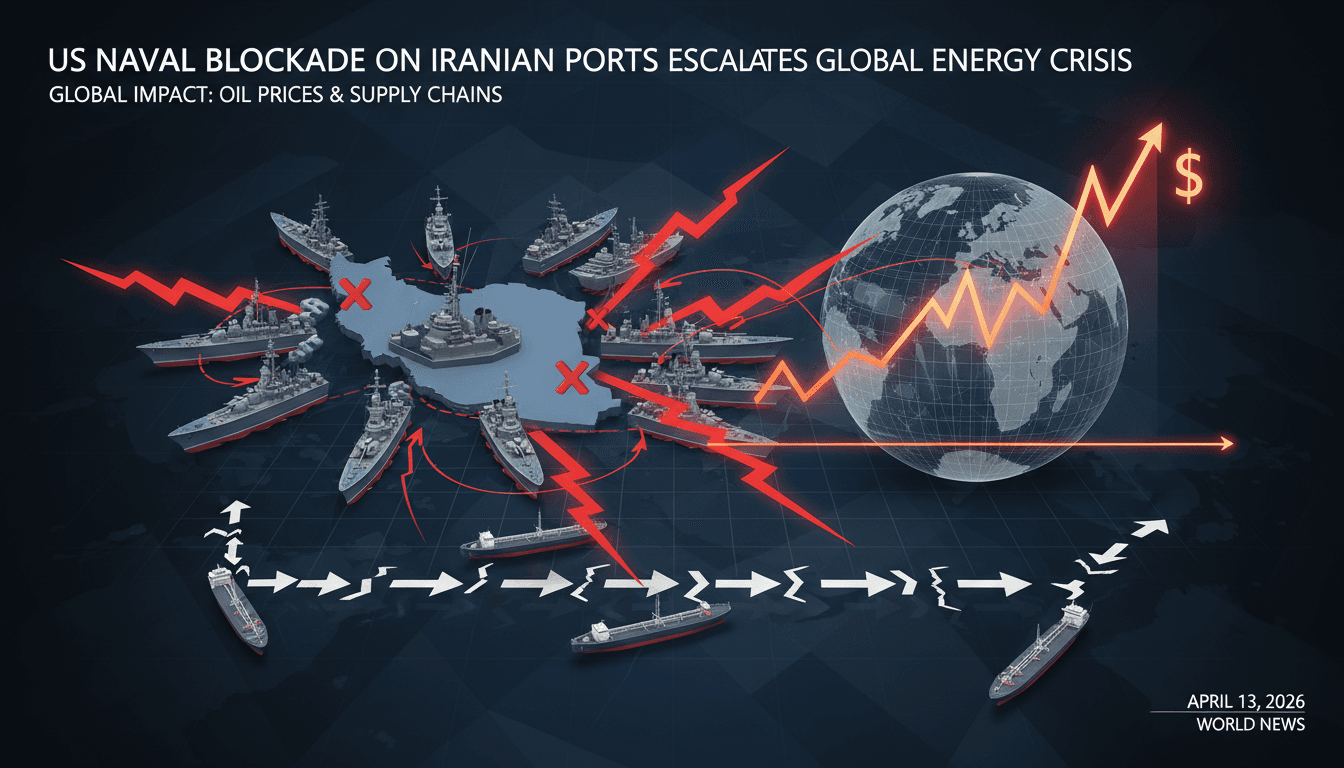
Here's what it means for you.
Rising oil prices could impact your business costs and economic stability.
What happened
The United States imposed a naval blockade on Iranian ports on April 13, 2026, disrupting global oil supplies.
The Context
- Escalating conflict: The blockade follows the breakdown of peace talks and an ongoing war that began in February 2026, significantly affecting oil exports.
- Economic repercussions: Iran faces an estimated $5 billion monthly revenue loss, while global oil prices have surged above $99 per barrel, raising concerns about energy shortages.
- Regional instability: The blockade threatens to remove approximately 2 million barrels per day of Iranian crude from the market, impacting countries reliant on this supply, particularly China.
The Number
— This is the approximate volume of Iranian crude oil exports disrupted by the U.S. blockade, which is critical for global energy markets.
Takeaway
Expect continued volatility in oil prices and potential economic repercussions as the situation evolves.
Global news coverage with extensive reporting on Middle Eastern conflicts and geopolitics.
"Al Jazeera is a Qatar-based broadcaster known for wide regional coverage and alternative perspectives."
— A47 Editor
How US blockade on Iran will worsen energy crisis
The United States has initiated a military blockade of Iranian ports, a decision announced by President Trump following the collapse of peace negotiations aimed at easing tensions between the two nations. This blockade is expected to severely restric...
Comprehensive coverage of Middle Eastern and global issues.
"Al Jazeera is a prominent voice from the Global South, especially the Middle East, with an emphasis on underreported stories."
— A47 Editor
How US blockade on Iran will worsen energy crisis
The United States has initiated a military blockade of Iranian ports, a decision announced by President Trump following the collapse of peace negotiations aimed at easing tensions between the two nations. This blockade is expected to severely restric...
News from the United States including domestic politics, society, and culture.
"The Guardian is known for its progressive editorial stance and in-depth analysis, often advocating for social justice, environmental issues, and liberal values."
— A47 Editor
First Thing: US starts naval blockade of Iranian ports after deadline passes
The United States has initiated a naval blockade of Iranian ports following the expiration of a deadline, marking a significant escalation in the ongoing tensions between the U.S. and Iran. This blockade aims to restrict maritime traffic and is a dir...
International coverage from The Guardian's global desks.
"The Guardian is known for its progressive editorial stance and in-depth analysis."
— A47 Editor
First Thing: US starts naval blockade of Iranian ports after deadline passes
The United States has initiated a naval blockade of Iranian ports following the expiration of a deadline, marking a significant escalation in the ongoing tensions between the U.S. and Iran. This blockade aims to restrict maritime traffic and is a dir...
Regional coverage and analysis focused on politics, diplomacy, and business across the Middle East.
"Al-Monitor is known for analytical reporting on Middle East politics and policy developments."
— A47 Editor
US begins Iran port blockade, oil prices ease on hopes for dialogue
The United States military has initiated a blockade of Iranian ports, effective April 13, 2026, following the collapse of extensive peace talks that lasted 21 hours without reaching an agreement. This blockade aims to interdict vessels in the critica...