
Strait of Hormuz remains restricted despite US-Iran ceasefire agreement
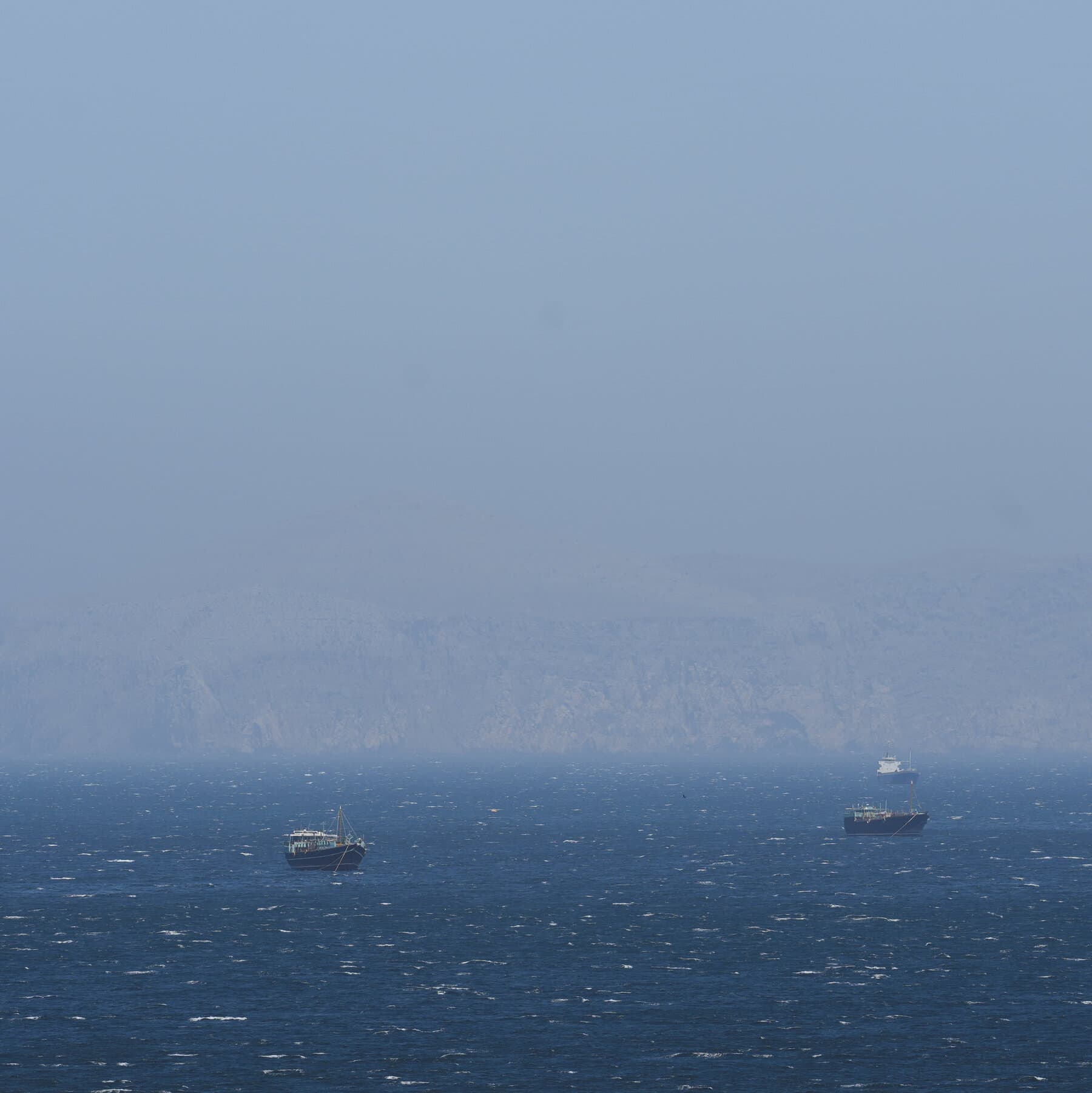
Here's what it means for you.
If you rely on global oil markets, the ongoing restrictions in the Strait of Hormuz could impact fuel prices and supply chains.
Why it matters
The Strait of Hormuz is a critical maritime chokepoint, responsible for approximately 20% of global oil and gas transit.
What happened (in 30 seconds)
- Iran effectively closed the Strait of Hormuz in late February 2026 amid escalating tensions from the Iran war, leading to a dramatic drop in shipping traffic.
- A conditional ceasefire was announced on April 8, 2026, yet vessel traffic remains below 10% of normal levels due to Iranian restrictions.
- Hundreds of tankers are still queued, with shipping firms hesitant to operate under the current instability and potential tolls imposed by Iran.
The context you actually need
- The crisis began with the 2026 Iran war, triggered by US and Israeli airstrikes that killed Iran's Supreme Leader, leading to retaliatory actions from Iran, including mine-laying and attacks on vessels.
- Oil prices surged above $120 per barrel as the closure disrupted 20% of global seaborne oil and LNG flows, primarily affecting Asian markets.
- Iran's conditions for 'safe passage' include coordination with its armed forces and adherence to specific navigation routes, further complicating shipping operations.
What's really happening
The Strait of Hormuz, a narrow waterway between Iran and Oman, is crucial for global oil transport, with around 140 ships typically transiting daily. However, following the outbreak of the Iran war on February 28, 2026, Iran imposed a de facto closure of the strait, significantly disrupting maritime traffic. The closure was enforced through a series of aggressive measures, including missile attacks on vessels, mine-laying operations, and jamming of navigation systems. As a result, traffic plummeted to near zero by early March, with 21 confirmed attacks on ships, creating a backlog of hundreds of tankers waiting to transit the strait.
The recent ceasefire agreement between the US and Iran, announced on April 8, 2026, was intended to restore some level of normalcy. However, the terms imposed by Iran have created a precarious situation. Iran's insistence on vessel coordination with its armed forces and routing through specific areas to avoid mines has kept traffic levels below 10% of normal. As of April 9, only 5-7 vessels managed to transit, primarily dry bulk carriers and one chemical tanker. The Iranian government has also threatened to impose tolls on vessels, further deterring shipping firms from operating in the region.
The geopolitical implications of this situation are significant. The United States has demanded an unconditional reopening of the strait, warning of potential infrastructure strikes if Iran does not comply. Meanwhile, the UAE's ADNOC CEO has condemned Iran's restrictions as coercive, highlighting the economic ramifications for Gulf producers. Oil futures have become volatile, and physical shortages loom as shippers like Maersk have suspended operations in the area. The situation is further complicated by ongoing clashes between Israel and Lebanon, which strain the ceasefire and increase uncertainty in the region.
As the situation unfolds, the potential for renewed conflict remains high, with upcoming US-Iran talks in Pakistan aimed at addressing the permanence of the ceasefire. The outcome of these discussions could significantly influence global oil markets and shipping operations in the Strait of Hormuz.
Who feels it first (and how)
- Shipping companies: Facing operational suspensions and increased costs due to instability.
- Oil producers in the Gulf: Experiencing production cuts and economic pressure from restricted exports.
- Consumers globally: Likely to see rising fuel and grocery prices as supply chains are disrupted.
What to watch next
- US-Iran negotiations: The outcome of talks in Pakistan could determine the future of shipping operations and oil prices.
- Shipping traffic levels: Monitoring the number of vessels transiting the strait will indicate the effectiveness of the ceasefire.
- Oil price fluctuations: Watch for changes in oil futures as market reactions to geopolitical developments unfold.
The Strait of Hormuz is currently operating at less than 10% of its normal shipping capacity.
Continued geopolitical tensions will affect oil prices and shipping operations in the region.
The long-term viability of the ceasefire and its impact on global oil markets.
Frequently Asked Questions
- Why it matters?
- The Strait of Hormuz is a critical maritime chokepoint, responsible for approximately 20% of global oil and gas transit.
- What happened (in 30 seconds)?
- Iran effectively closed the Strait of Hormuz in late February 2026 amid escalating tensions from the Iran war, leading to a dramatic drop in shipping traffic. A conditional ceasefire was announced on April 8, 2026, yet vessel traffic remains below 10% of normal levels due to Iranian restrictions. Hundreds of tankers are still queued, with shipping firms hesitant to operate under the current instability and potential tolls imposed by Iran.
- What's really happening?
- The Strait of Hormuz, a narrow waterway between Iran and Oman, is crucial for global oil transport, with around 140 ships typically transiting daily. However, following the outbreak of the Iran war on February 28, 2026, Iran imposed a de facto closure of the strait, significantly disrupting maritime traffic. The closure was enforced through a series of aggressive measures, including missile attacks on vessels, mine-laying operations, and jamming of navigation systems. As a result, traffic plumme
- Who feels it first (and how)?
- Shipping companies: Facing operational suspensions and increased costs due to instability. Oil producers in the Gulf: Experiencing production cuts and economic pressure from restricted exports. Consumers globally: Likely to see rising fuel and grocery prices as supply chains are disrupted.
- What to watch next?
- US-Iran negotiations: The outcome of talks in Pakistan could determine the future of shipping operations and oil prices. Shipping traffic levels: Monitoring the number of vessels transiting the strait will indicate the effectiveness of the ceasefire. Oil price fluctuations: Watch for changes in oil futures as market reactions to geopolitical developments unfold.
24/7 international news from a French perspective in multiple languages.
"France 24 is viewed as a globally focused outlet with balanced coverage and a European perspective."
— A47 Editor
Ceasefire holds, but Strait of Hormuz remains at a standstill
A fragile ceasefire between the United States and Iran has been established, yet maritime traffic through the Strait of Hormuz remains nearly halted. Reports indicate that Iran's Revolutionary Guard may have laid mines in the waterway, further deterr...
Global political, business, and cultural coverage from WSJ international desks.
"The Wall Street Journal offers extensive international reporting with a reputation for financial insight and a center-right editorial stance."
— A47 Editor
What’s Happening in the Strait of Hormuz Since the Cease-Fire?
Following a recent ceasefire agreement between the United States and Iran, limited maritime traffic has resumed in the Strait of Hormuz, with Iran imposing tolls of up to $2 million per ship. This development marks a cautious reopening of a critical ...
U.S. business news, corporate developments, and economy.
"The Wall Street Journal is respected for deep financial and economic reporting with a center-right editorial perspective."
— A47 Editor
What’s Happening in the Strait of Hormuz Since the Cease-Fire?
Following a recent ceasefire agreement between the United States and Iran, limited ship traffic has begun to navigate the Strait of Hormuz, with Iran imposing tolls of up to $2 million per vessel. This development marks a cautious reopening of this c...
Markets, economy, and company analysis from NYT’s business desk.
"The New York Times is a globally recognized newspaper offering authoritative reporting with a center-left editorial stance."
— A47 Editor
Is the Strait of Hormuz Reopening? What to Know Under Iran-Cease Fire.
A fragile ceasefire agreement between the United States and Iran has led to cautious navigation through the Strait of Hormuz, with vessels now required to coordinate passage with Iranian armed forces. Despite this development, ship traffic remains si...
Markets, economy, and company analysis from NYT’s business desk.
"The New York Times is a globally recognized newspaper offering authoritative reporting with a center-left editorial stance."
— A47 Editor
After Iran Cease-Fire, Ship Traffic in Strait of Hormuz Remains Throttled
Following a recent two-week ceasefire agreement between the U.S. and Iran, ship traffic in the strategically vital Strait of Hormuz remains significantly reduced, with only a few vessels crossing since the truce began. The ongoing war has led to a ca...