
Air Canada Suspends Flights to New York JFK Amid Iran War Fuel Crisis
Here's what it means for you.
If you're planning to travel between Canada and New York this summer, expect disruptions and consider alternative routes.
Why it matters
This suspension reflects broader challenges in the aviation industry, driven by geopolitical tensions and rising operational costs.
What happened (in 30 seconds)
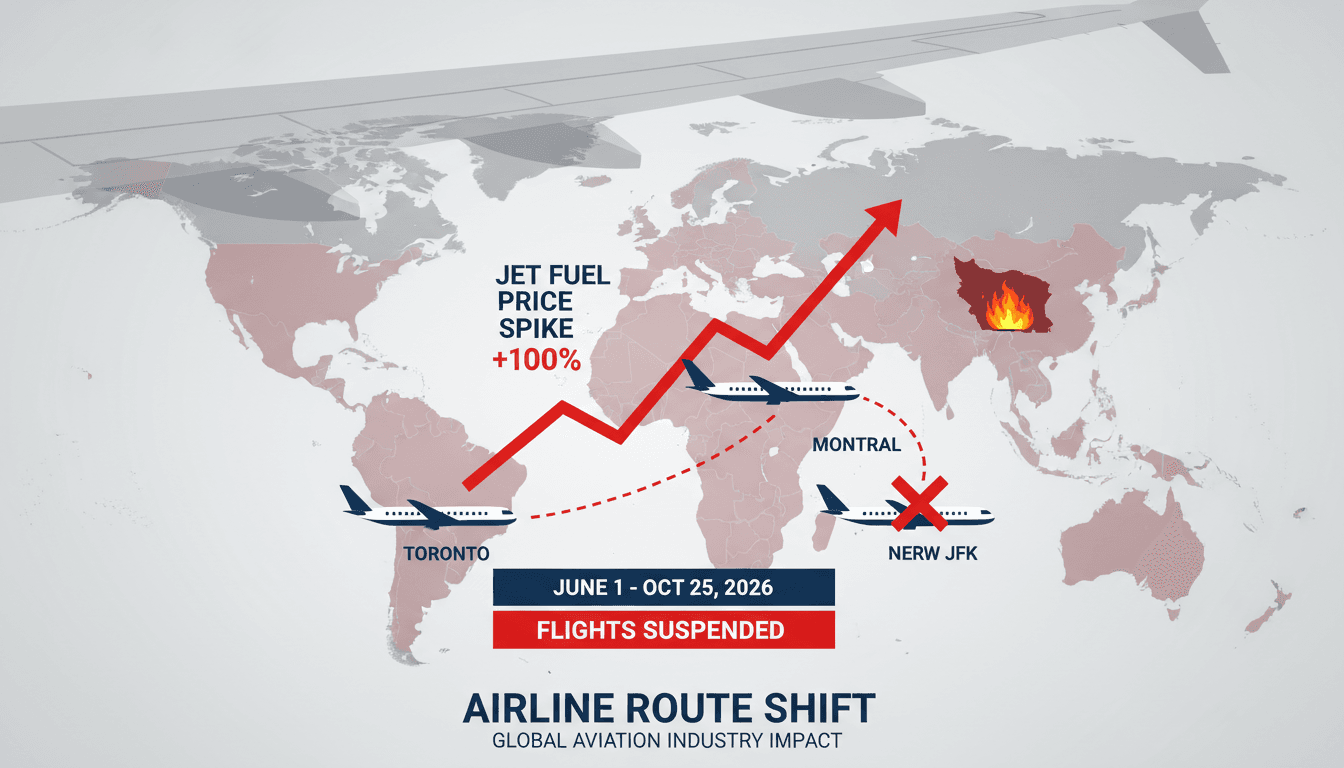
- Air Canada announced the suspension of all flights from Toronto and Montreal to New York JFK from June 1 to October 25, 2026.
- Jet fuel prices doubled amid shortages caused by the ongoing war in Iran, making these routes economically unviable.
- Alternative options are available for affected customers, with flights to LaGuardia and Newark continuing as scheduled.
The context you actually need
- The Iran war has disrupted global oil supplies, particularly affecting jet fuel availability and pricing.
- Jet fuel costs surged from $2.50 to $4.32 per gallon, significantly impacting airlines' operational margins.
- Air Canada’s decision aligns with industry trends, as other airlines also adjust services in response to rising fuel costs.
What's really happening
The ongoing conflict in Iran has created a ripple effect across global oil markets, particularly impacting jet fuel prices. As of mid-April 2026, the average price of jet fuel in the U.S. reached $4.32 per gallon, a stark increase from $2.50 prior to the conflict. This price surge is primarily due to disruptions in oil supply chains, particularly through the critical Strait of Hormuz, a vital passage for oil shipments. The International Energy Agency has raised alarms about dwindling jet fuel reserves in Europe, indicating that the aviation sector is under significant pressure.
Air Canada’s suspension of flights to New York JFK is a direct response to these economic realities. The airline has determined that the operational costs associated with these routes have become unsustainable, given the doubled fuel prices. This decision is not isolated; it mirrors actions taken by other airlines facing similar challenges. For instance, Delta Air Lines has projected an additional $2 billion in fuel costs for the second quarter of 2026, prompting them to adjust pricing strategies, including increased baggage fees.
Moreover, the suspension of these routes highlights a broader trend in the aviation industry where airlines are forced to reassess their route profitability in light of fluctuating fuel prices. As airlines like Lufthansa and KLM have already begun reducing services on unprofitable routes, Air Canada’s move signals a shift in how airlines will operate in a volatile economic environment.
The implications extend beyond just Air Canada. Travelers may find themselves needing to adjust their plans, seeking alternative airports or routes, which could lead to increased travel times and costs. Additionally, the suspension may impact cargo shipments between Canada and the U.S., further complicating logistics for businesses reliant on timely deliveries.
Who feels it first (and how)
- Travelers: Those planning summer trips between Canada and New York will face cancellations and need to seek alternative routes.
- Airlines: Other carriers may follow suit, adjusting their routes and pricing strategies in response to rising fuel costs.
- Cargo companies: Businesses relying on air freight between Canada and the U.S. may experience delays and increased shipping costs.
What to watch next
- Fuel price trends: Monitor jet fuel prices and oil market developments, as further increases could lead to more route suspensions across airlines.
- Airline financial reports: Keep an eye on quarterly earnings from major airlines to gauge the financial impact of rising fuel costs on their operations.
- Geopolitical developments: Changes in the Iran conflict or oil supply dynamics could influence fuel prices and, consequently, airline operations.
Air Canada has suspended flights to JFK due to economic unviability from rising jet fuel prices.
Other airlines may implement similar route adjustments or increase fees to offset rising operational costs.
The long-term impact of the Iran conflict on global oil supplies and jet fuel pricing remains uncertain.
Frequently Asked Questions
- Why it matters?
- This suspension reflects broader challenges in the aviation industry, driven by geopolitical tensions and rising operational costs.
- What happened (in 30 seconds)?
- Air Canada announced the suspension of all flights from Toronto and Montreal to New York JFK from June 1 to October 25, 2026. Jet fuel prices doubled amid shortages caused by the ongoing war in Iran, making these routes economically unviable. Alternative options are available for affected customers, with flights to LaGuardia and Newark continuing as scheduled.
- What's really happening?
- The ongoing conflict in Iran has created a ripple effect across global oil markets, particularly impacting jet fuel prices. As of mid-April 2026, the average price of jet fuel in the U.S. reached $4.32 per gallon, a stark increase from $2.50 prior to the conflict. This price surge is primarily due to disruptions in oil supply chains, particularly through the critical Strait of Hormuz, a vital passage for oil shipments. The International Energy Agency has raised alarms about dwindling jet fuel re
- Who feels it first (and how)?
- Travelers: Those planning summer trips between Canada and New York will face cancellations and need to seek alternative routes. Airlines: Other carriers may follow suit, adjusting their routes and pricing strategies in response to rising fuel costs. Cargo companies: Businesses relying on air freight between Canada and the U.S. may experience delays and increased shipping costs.
- What to watch next?
- Fuel price trends: Monitor jet fuel prices and oil market developments, as further increases could lead to more route suspensions across airlines. Airline financial reports: Keep an eye on quarterly earnings from major airlines to gauge the financial impact of rising fuel costs on their operations. Geopolitical developments: Changes in the Iran conflict or oil supply dynamics could influence fuel prices and, consequently, airline operations.
Corporate leadership, finance, technology, and market trends.
"Fortune covers financial trends, leadership, and innovation with a pragmatic editorial approach."
— A47 Editor
Air Canada suspends all summer flights to New York’s JFK airport on Iran-surging fuel price
Air Canada has announced the suspension of all summer flights to New York's JFK airport, attributing this decision to the doubling of jet fuel prices since the onset of the conflict in Iran, which has rendered certain routes economically unviable.
International coverage from The Guardian's global desks.
"The Guardian is known for its progressive editorial stance and in-depth analysis."
— A47 Editor
Air Canada temporarily suspends some flights to New York and other locations
Air Canada has temporarily suspended flights from Toronto and Montreal to New York's John F. Kennedy airport due to rising aviation fuel prices, a situation exacerbated by the ongoing conflict involving the US and Israel against Iran.
Conservative-leaning political and national coverage.
"The Washington Times is a conservative-leaning newspaper known for its political coverage and advocacy of right-of-center viewpoints."
— A47 Editor
Air Canada will suspend flights to JFK for nearly 5 months as jet fuel costs soar
Air Canada has announced the suspension of its flights to New York's JFK International Airport for nearly five months due to soaring jet fuel costs, a situation exacerbated by the ongoing war in Iran that has led to fuel shortages.