
Trump and NATO Secretary General Rutte Meet to Address Alliance Strains Amid Iran Conflict
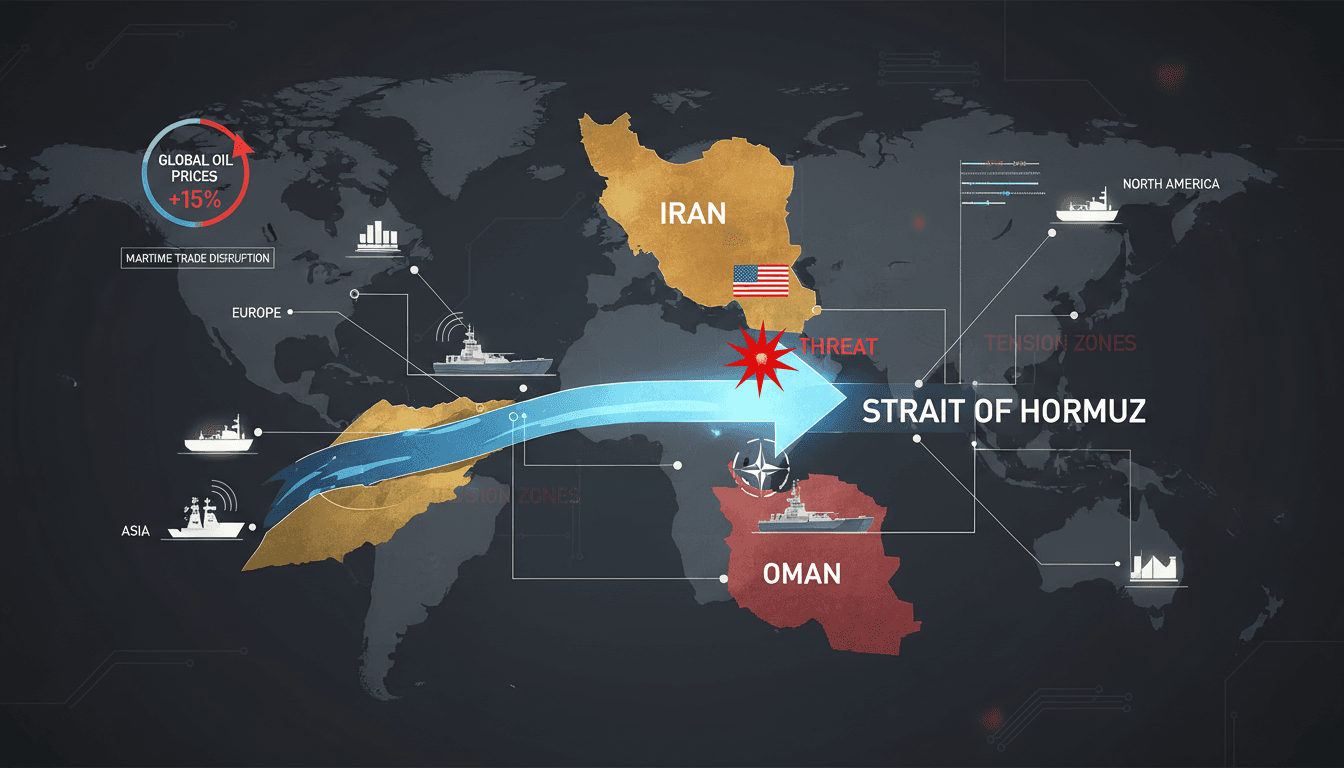
Here's what it means for you.
If you rely on global trade or energy markets, the outcomes of this meeting could directly impact your costs and supply chains.
Why it matters
The NATO alliance is facing critical strains that could reshape global security dynamics and economic stability.
What happened (in 30 seconds)
- Trump met with NATO Secretary General Rutte on April 8, 2026, to address alliance tensions exacerbated by the Iran conflict.
- Operation Epic Fury has heightened risks in the Strait of Hormuz, threatening global oil supplies and maritime trade.
- A two-week ceasefire was announced just before the meeting, creating a temporary pause in hostilities.
The context you actually need
- U.S.-Iran hostilities escalated in March 2026, with military actions leading to Iranian threats against the Strait of Hormuz, a critical oil shipping route.
- Trump's criticisms of NATO as ineffective have led to increased tensions, particularly regarding European defense spending and support for Ukraine.
- Rutte's rapport with Trump was leveraged to facilitate discussions aimed at restoring cooperation and addressing European concerns about maritime security.
What's really happening
The meeting between President Trump and NATO Secretary General Mark Rutte comes at a pivotal moment for the alliance, which is grappling with internal divisions exacerbated by the ongoing conflict in Iran. Operation Epic Fury, launched in late March 2026, has significantly strained relations among NATO members, particularly as the U.S. has taken a more aggressive stance against Iran. This military campaign has not only threatened regional stability but also jeopardized global oil supplies, as Iran has vowed to disrupt shipping through the Strait of Hormuz, a vital corridor for energy transport.
Trump's recent public statements labeling NATO a "paper tiger" and threatening withdrawal have intensified concerns among European allies about the U.S.'s commitment to collective defense. This rhetoric has been coupled with demands for increased defense spending from European nations and a diversion of U.S. military resources away from Ukraine, further straining transatlantic relations. The backdrop of these tensions is a broader geopolitical landscape where the U.S. seeks to assert its influence while European nations are left to navigate their security interests amidst rising threats.
The two-week ceasefire announced just prior to the meeting offers a temporary reprieve, but the underlying issues remain unresolved. Rutte's visit aims to secure commitments from European allies to ensure the safety of maritime navigation in the Strait of Hormuz and to bolster defense industry ties. However, the lack of immediate commitments from Europe indicates a cautious approach, as diplomats express concerns over the sustainability of the ceasefire and the need for a more comprehensive agreement.
The implications of this meeting extend beyond NATO; they resonate through global energy markets and trade routes, particularly affecting regions like Dubai, where residents are already feeling the pinch of elevated fuel prices due to the conflict. The outcome of these discussions could either stabilize or further destabilize the current geopolitical climate, with significant repercussions for global trade and economic conditions.
Who feels it first (and how)
- Energy sector professionals: Increased volatility in oil prices could impact profitability and supply chain stability.
- Maritime shipping companies: Heightened risks in the Strait of Hormuz may lead to rerouted shipments and increased insurance costs.
- European defense contractors: Potential increases in defense spending could open new contracts and opportunities.
- Consumers in Dubai: Elevated fuel prices directly affect transportation and goods pricing, impacting daily expenses.
What to watch next
- European defense spending commitments: Increased financial commitments from NATO allies could signal a shift in transatlantic defense dynamics.
- Iran's compliance with the ceasefire: Monitoring Iran's actions in the Strait of Hormuz will be crucial for assessing ongoing risks to maritime trade.
- Market reactions to oil prices: Fluctuations in oil prices in response to geopolitical developments will impact global economic conditions.
NATO faces significant internal tensions due to differing priorities among member states.
Continued volatility in global oil markets as a result of the Iran conflict and NATO's response.
The long-term effectiveness of the ceasefire and its impact on U.S.-Iran relations.
Frequently Asked Questions
- Why it matters?
- The NATO alliance is facing critical strains that could reshape global security dynamics and economic stability.
- What happened (in 30 seconds)?
- Trump met with NATO Secretary General Rutte on April 8, 2026, to address alliance tensions exacerbated by the Iran conflict. Operation Epic Fury has heightened risks in the Strait of Hormuz, threatening global oil supplies and maritime trade. A two-week ceasefire was announced just before the meeting, creating a temporary pause in hostilities.
- What's really happening?
- The meeting between President Trump and NATO Secretary General Mark Rutte comes at a pivotal moment for the alliance, which is grappling with internal divisions exacerbated by the ongoing conflict in Iran. Operation Epic Fury, launched in late March 2026, has significantly strained relations among NATO members, particularly as the U.S. has taken a more aggressive stance against Iran. This military campaign has not only threatened regional stability but also jeopardized global oil supplies, as Ir
- Who feels it first (and how)?
- Energy sector professionals: Increased volatility in oil prices could impact profitability and supply chain stability. Maritime shipping companies: Heightened risks in the Strait of Hormuz may lead to rerouted shipments and increased insurance costs. European defense contractors: Potential increases in defense spending could open new contracts and opportunities. Consumers in Dubai: Elevated fuel prices directly affect transportation and goods pricing, impacting daily expenses.
- What to watch next?
- European defense spending commitments: Increased financial commitments from NATO allies could signal a shift in transatlantic defense dynamics. Iran's compliance with the ceasefire: Monitoring Iran's actions in the Strait of Hormuz will be crucial for assessing ongoing risks to maritime trade. Market reactions to oil prices: Fluctuations in oil prices in response to geopolitical developments will impact global economic conditions.
Regional coverage and analysis focused on politics, diplomacy, and business across the Middle East.
"Al-Monitor is known for analytical reporting on Middle East politics and policy developments."
— A47 Editor
Trump meets NATO chief as Iran war strains alliance
President Donald Trump met with NATO chief Mark Rutte at the White House amid escalating tensions due to the ongoing war with Iran, which has strained U.S. relations with NATO allies. The meeting comes as Trump faces criticism for his aggressive stan...
Capitol Hill news, legislation, and policy insight.
"The Hill specializes in U.S. politics and policy, with a focus on Capitol Hill developments and a reputation for insider reporting."
— A47 Editor
NATO secretary general visits Trump at volatile moment in Iran war
NATO Secretary-General Mark Rutte is scheduled to meet with President Trump at the White House amid escalating tensions surrounding Iran, particularly following Trump's ultimatum threatening severe consequences if Iran does not comply with U.S. deman...