
Iran Reinstates Transit Restrictions in Strait of Hormuz Amid U.S. Naval Blockade
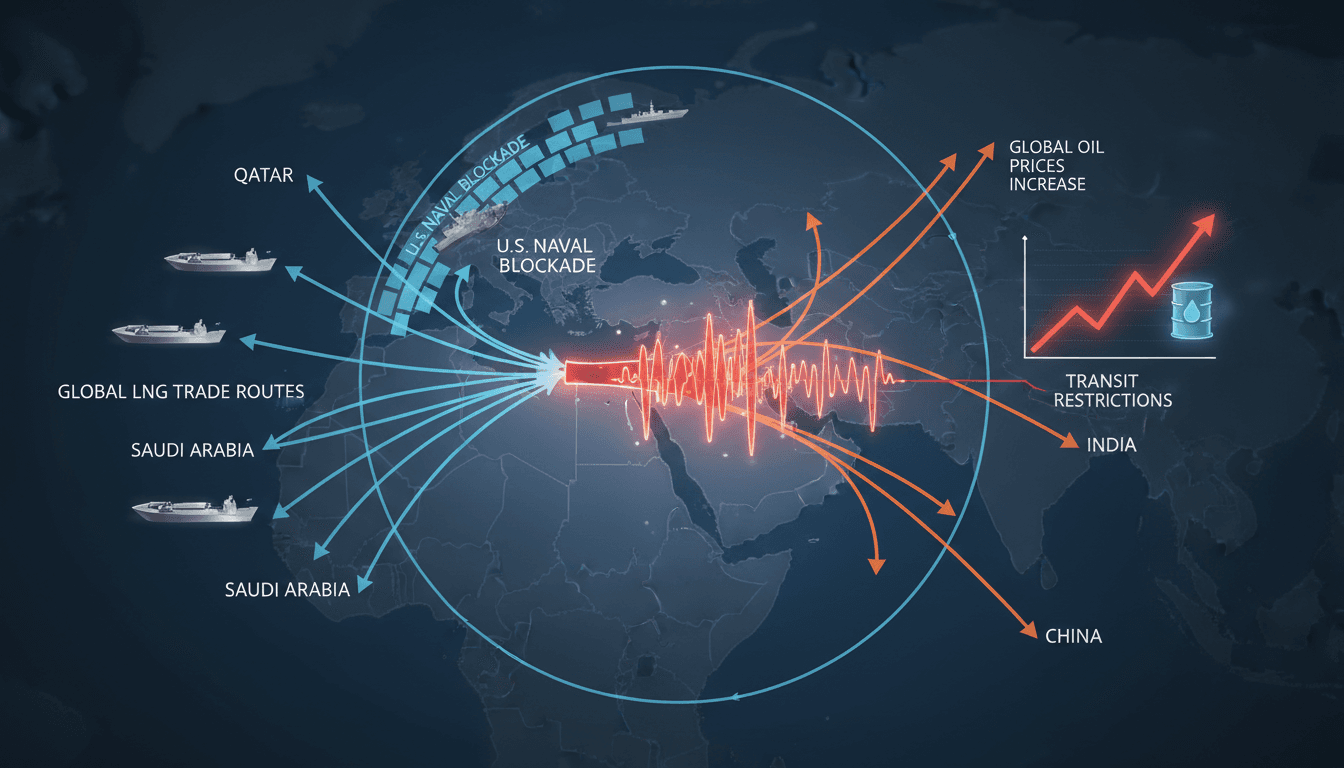
Here's what it means for you.
If you rely on oil or gas, expect rising costs and potential supply disruptions.
Why it matters
The Strait of Hormuz is a critical chokepoint for global oil trade, with 20% of the world's LNG passing through it.
What happened (in 30 seconds)
- Iran reversed its reopening of the Strait of Hormuz on April 18, 2026, reimposing strict transit controls.
- U.S. naval blockade enforcement led to Iranian Revolutionary Guard Navy firing upon commercial vessels, disrupting tanker transits.
- Oil prices surged after the reversal, impacting global markets and shipping insurance rates.
The context you actually need
- The U.S.-Iran war began on February 28, 2026, over Iran's nuclear advancements, leading to initial restrictions on the Strait.
- Iran's announcement on April 17 to reopen the strait was short-lived, as U.S. blockade enforcement rendered it ineffective.
- The Strait of Hormuz handles approximately 20% of global LNG trade, making its accessibility crucial for energy markets worldwide.
What's really happening
The reversal of Iran's reopening of the Strait of Hormuz on April 18, 2026, is a significant escalation in the ongoing U.S.-Iran conflict, which began with military actions over Iran's nuclear program. The U.S. has maintained a naval blockade targeting Iranian ports since April 14, 2026, which has severely restricted Iran's ability to engage in maritime trade. This blockade is part of a broader strategy to pressure Iran economically and politically, aiming to curb its nuclear ambitions and regional influence.
Iran's decision to reimpose strict transit controls came just hours after Foreign Minister Abbas Araghchi announced the strait was "completely open." This contradiction highlights the complexities of the geopolitical landscape, where diplomatic gestures can quickly be undermined by military realities. The Iranian Revolutionary Guard Navy's aggressive actions, including firing upon commercial vessels, signal Tehran's determination to assert control over its maritime borders despite external pressures.
The Strait of Hormuz is not just a regional concern; it is a vital artery for global energy supplies. Approximately 20% of the world's liquefied natural gas (LNG) transits through this narrow waterway. The reimposition of controls has immediate implications for shipping routes, insurance costs, and global oil prices. Following the announcement of the blockade, oil prices surged, reflecting market anxiety over potential supply disruptions. Shipping insurers have also reacted by maintaining high-risk designations for vessels operating in the region, further complicating maritime trade.
The aftermath of this incident has seen heightened tensions not only between Iran and the U.S. but also among other regional players. The UAE has demanded the restoration of free passage through the strait, while India has summoned the Iranian ambassador following attacks on its flagged vessels. These developments indicate a broader regional instability that could have lasting effects on trade and diplomatic relations.
Who feels it first (and how)
- Shipping operators: Facing increased insurance costs and rerouted vessels.
- Energy consumers: Experiencing rising fuel prices due to supply chain disruptions.
- Regional governments: Such as the UAE and India, which are directly impacted by maritime security and trade routes.
What to watch next
- U.S. military movements: Any changes in naval presence could signal shifts in blockade enforcement or diplomatic negotiations.
- Oil price fluctuations: Monitoring price trends will indicate market reactions to ongoing tensions and supply chain disruptions.
- Diplomatic engagements: Look for potential talks between Iran, the U.S., and regional allies, especially as ceasefire deadlines approach.
The Strait of Hormuz is critical for global oil trade, with 20% of LNG passing through it.
Continued volatility in oil prices and shipping insurance rates as tensions persist.
The long-term impact on U.S.-Iran relations and regional stability.
Frequently Asked Questions
- Why it matters?
- The Strait of Hormuz is a critical chokepoint for global oil trade, with 20% of the world's LNG passing through it.
- What happened (in 30 seconds)?
- Iran reversed its reopening of the Strait of Hormuz on April 18, 2026, reimposing strict transit controls. U.S. naval blockade enforcement led to Iranian Revolutionary Guard Navy firing upon commercial vessels, disrupting tanker transits. Oil prices surged after the reversal, impacting global markets and shipping insurance rates.
- What's really happening?
- The reversal of Iran's reopening of the Strait of Hormuz on April 18, 2026, is a significant escalation in the ongoing U.S.-Iran conflict, which began with military actions over Iran's nuclear program. The U.S. has maintained a naval blockade targeting Iranian ports since April 14, 2026, which has severely restricted Iran's ability to engage in maritime trade. This blockade is part of a broader strategy to pressure Iran economically and politically, aiming to curb its nuclear ambitions and regio
- Who feels it first (and how)?
- Shipping operators: Facing increased insurance costs and rerouted vessels. Energy consumers: Experiencing rising fuel prices due to supply chain disruptions. Regional governments: Such as the UAE and India, which are directly impacted by maritime security and trade routes.
- What to watch next?
- U.S. military movements: Any changes in naval presence could signal shifts in blockade enforcement or diplomatic negotiations. Oil price fluctuations: Monitoring price trends will indicate market reactions to ongoing tensions and supply chain disruptions. Diplomatic engagements: Look for potential talks between Iran, the U.S., and regional allies, especially as ceasefire deadlines approach.
Macro commentary, policy analysis, growth/inflation themes, and global outlooks.
"Contextual macro coverage that complements day-to-day market headlines."
— A47 Editor
Hormuz shipping chaos returns as Iran reverses transit reopening
Iran has reversed its earlier announcement regarding the reopening of the Strait of Hormuz, declaring it closed to maritime traffic amid reports of gunfire in the area. This abrupt change follows conflicting statements from Iranian officials about th...
Macro commentary, policy analysis, growth/inflation themes, and global outlooks.
"Contextual macro coverage that complements day-to-day market headlines."
— A47 Editor
Iran hard-liners undermine diplomatic efforts, re-closing Strait of Hormuz
Iran has re-closed the Strait of Hormuz to maritime traffic, undermining recent diplomatic efforts and escalating tensions with the U.S. This closure follows conflicting statements from Iranian officials regarding the strait's status, highlighting in...
National headlines across the United States including breaking stories and societal issues.
"NBC News is a mainstream media outlet known for comprehensive national and international news coverage with a centrist to slightly left-leaning editorial tone."
— A47 Editor
Iran Closes of Strait of Hormuz After Announcing Its Reopening
Iran has reinstated its strict blockade of the Strait of Hormuz just one day after announcing its reopening, a decision made in response to the ongoing U.S. naval blockade affecting Iranian shipping. This sudden reversal highlights the fragile nature...
Pan-Arab news coverage spanning politics, business, sports, and regional affairs.
"Asharq Al-Awsat reflects a broad Arab editorial perspective with strong attention to regional geopolitics."
— A47 Editor
حرب إيران تكشف نقطة ضعف لترمب: الضغط الاقتصادي
Iran announced the reopening of the Strait of Hormuz for navigation, revealing the limits of President Donald Trump's willingness to endure internal economic pain amid the ongoing Middle East crisis.