
Multinational Initiative Launched to Secure Submarine Cables from Sabotage Threats
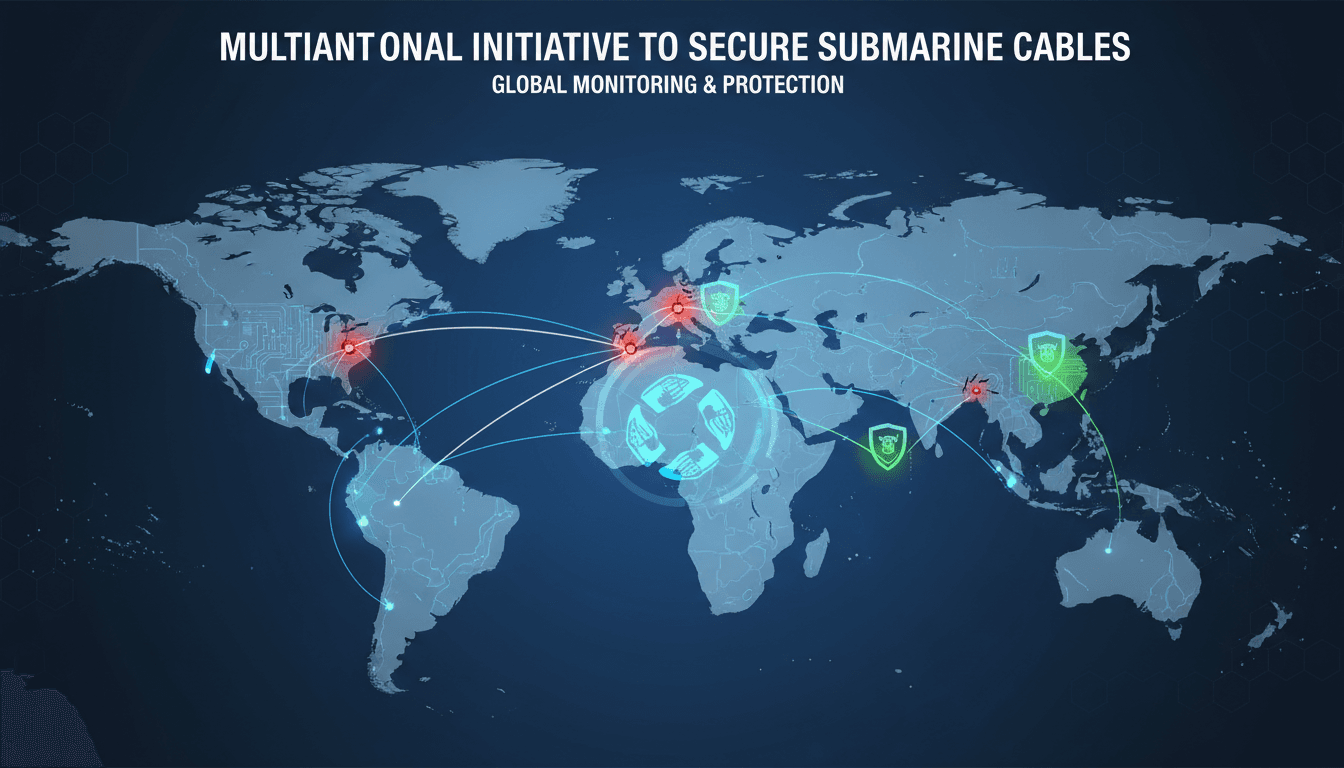
Here's what it means for you.
If you rely on stable internet connections for work or communication, the ongoing protection of submarine cables directly impacts your connectivity and data security.
Why it matters
The integrity of submarine cables is crucial for global data transmission, affecting everything from internet speed to international business operations.
What happened (in 30 seconds)
- Increased sabotage incidents: Following 2024 cable cuts attributed to Russia-linked vessels in the Baltic Sea, NATO and allies have ramped up protective measures.
- Multinational patrols launched: The U.S., NATO, and Taiwan are deploying advanced technologies and patrols to safeguard these vital infrastructures.
- Surge in new cables planned: A record 119 new submarine cables are being constructed globally to meet rising data demands, particularly driven by artificial intelligence.
The context you actually need
- Submarine cables are critical: They carry 99% of intercontinental data, making them essential for global communication and commerce.
- Historical vulnerabilities: Annual faults from anchors and natural hazards are common, but geopolitical tensions have raised fears of state-sponsored sabotage.
- Technological advancements: Innovations like distributed acoustic sensing and seabed sonar are being deployed to enhance monitoring and protection of these cables.
What's really happening
The global race to protect submarine cables has intensified in the wake of recent sabotage incidents, particularly those linked to geopolitical tensions involving Russia and China. In 2024, Russian vessels were implicated in severing cables in the Baltic Sea, prompting NATO to launch Operation Baltic Sentry in January 2025. This operation involved deploying ships, drones, and aircraft to deter further incidents, achieving notable success until a Finnish seizure in late 2025 raised new concerns.
In parallel, the Taiwan Strait has seen targeted cable cuts attributed to Chinese vessels, leading Taiwan to bolster its coast guard patrols and impose stricter penalties on offenders. These developments underscore the vulnerabilities of submarine cables, especially in shallow waters where specialized cutters can operate with relative ease. The International Cable Protection Committee has noted that while no verified state-sponsored sabotage has occurred since World War II, the current geopolitical climate has heightened the risk of such actions.
The urgency for protection is further fueled by the surging demand for new cables, driven largely by the data requirements of artificial intelligence technologies. As of mid-February 2026, 119 new cables are planned globally, a significant increase from just 66 in January 2020. This expansion is necessary to accommodate the growing volume of data traffic but also increases exposure to potential disruptions.
To counter these threats, various stakeholders, including cable operators and technology firms, are implementing innovative solutions. Companies like Lumetec and Anduril Industries are developing technologies such as acoustic sensing to differentiate vessel types and seabed sonar to monitor chokepoints. These advancements aim to create a more resilient infrastructure capable of withstanding potential sabotage attempts.
Despite these efforts, experts caution that no foolproof defense exists in shallow waters, where a determined adversary can still inflict damage. The situation is further complicated by the challenges of attribution, as vessels often operate under third-country flags, making it difficult to pinpoint responsibility for sabotage. As tensions continue to rise, the global community remains vigilant, recognizing that the protection of submarine cables is not just a technical issue but a critical component of national security and international stability.
Who feels it first (and how)
- Telecommunications companies: Increased operational costs and potential service disruptions.
- Businesses reliant on data: Slower internet speeds and communication delays can hinder productivity.
- Consumers: Internet users may experience latency or outages, particularly in regions near conflict zones.
- Governments: National security concerns may lead to increased military and surveillance expenditures.
What to watch next
- New cable construction timelines: Delays or accelerations in the rollout of planned submarine cables could impact global data traffic.
- Geopolitical developments: Any escalation in tensions between Russia, China, and their neighbors may lead to increased sabotage attempts or protective measures.
- Technological advancements in monitoring: Innovations in cable protection technology will be crucial in determining the effectiveness of current strategies.
- The U.S. and NATO are actively engaged in protecting submarine cables through patrols and technology deployment.
- Geopolitical tensions will continue to drive the need for enhanced cable protection measures.
- The long-term effectiveness of current protective strategies against sophisticated sabotage attempts remains uncertain.
Frequently Asked Questions
- Why it matters?
- The integrity of submarine cables is crucial for global data transmission, affecting everything from internet speed to international business operations.
- What happened (in 30 seconds)?
- Increased sabotage incidents: Following 2024 cable cuts attributed to Russia-linked vessels in the Baltic Sea, NATO and allies have ramped up protective measures. Multinational patrols launched: The U.S., NATO, and Taiwan are deploying advanced technologies and patrols to safeguard these vital infrastructures. Surge in new cables planned: A record 119 new submarine cables are being constructed globally to meet rising data demands, particularly driven by artificial intelligence.
- What's really happening?
- The global race to protect submarine cables has intensified in the wake of recent sabotage incidents, particularly those linked to geopolitical tensions involving Russia and China. In 2024, Russian vessels were implicated in severing cables in the Baltic Sea, prompting NATO to launch Operation Baltic Sentry in January 2025. This operation involved deploying ships, drones, and aircraft to deter further incidents, achieving notable success until a Finnish seizure in late 2025 raised new concerns.
- Who feels it first (and how)?
- Telecommunications companies: Increased operational costs and potential service disruptions. Businesses reliant on data: Slower internet speeds and communication delays can hinder productivity. Consumers: Internet users may experience latency or outages, particularly in regions near conflict zones. Governments: National security concerns may lead to increased military and surveillance expenditures.
- What to watch next?
- New cable construction timelines: Delays or accelerations in the rollout of planned submarine cables could impact global data traffic. Geopolitical developments: Any escalation in tensions between Russia, China, and their neighbors may lead to increased sabotage attempts or protective measures. Technological advancements in monitoring: Innovations in cable protection technology will be crucial in determining the effectiveness of current strategies.
Curated tech headlines including AI stories.
"Influential aggregator surfacing the day’s top tech/AI links."
— A47 Editor
A look at a global scramble to protect submarine cables vulnerable to potential sabotage, as new monitoring tech like distributed acoustic sensing is developed (Mike Cherney/Wall Street Journal)
A global effort is underway to safeguard submarine cables from potential sabotage, particularly in light of increasing tensions with Russia and China. New technologies, such as distributed acoustic sensing, are being developed to enhance monitoring a...
Global political, business, and cultural coverage from WSJ international desks.
"The Wall Street Journal offers extensive international reporting with a reputation for financial insight and a center-right editorial stance."
— A47 Editor
Inside the Race to Protect Submarine Cables From Sabotage
The U.S. and its allies are implementing advanced technology, increased patrols, and alternative routes to safeguard vital underwater data infrastructure from potential sabotage by Russia and China. This initiative highlights the growing concerns ove...
Tech business coverage, major deals, product launches, and Silicon Valley trends.
"WSJ’s tech section offers authoritative reporting on the intersection of technology and business, including exclusive industry analysis."
— A47 Editor
Inside the Race to Protect Submarine Cables From Sabotage
The U.S. and its allies are implementing advanced technologies, increased patrols, and alternative routes to safeguard vital underwater data infrastructure from potential sabotage by Russia and China. This initiative highlights the growing concerns o...