
Iran Tightens Military Control Over Strait of Hormuz Amid U.S. Naval Blockade
Here's what it means for you.
If you rely on global oil markets or shipping routes, the escalating tensions in the Strait of Hormuz could directly impact your costs and supply chains.
Why it matters
The Strait of Hormuz is a critical chokepoint for global oil trade, and disruptions here can lead to significant price volatility and supply chain challenges worldwide.
What happened (in 30 seconds)
- On April 18, 2026, Iran reimposed strict military control over the Strait of Hormuz, reversing a brief declaration of openness.
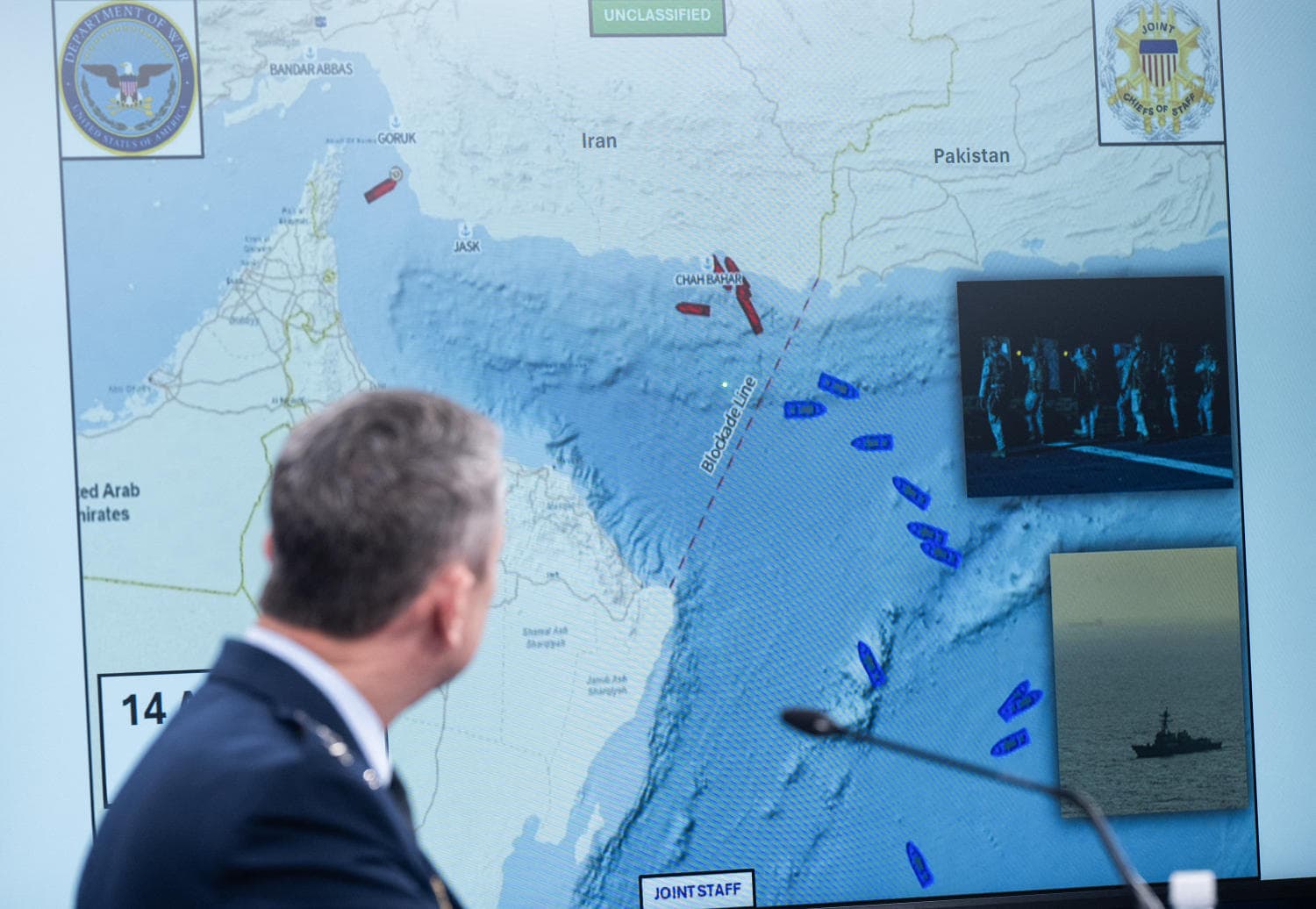
- The U.S. naval blockade of Iranian ports, initiated on April 13-14, is cited as the catalyst for this escalation.
- Oil prices fell over 11% initially but have since shown volatility amid ongoing geopolitical tensions.
The context you actually need
- The Strait of Hormuz facilitates approximately 20% of global seaborne oil trade, making it a vital artery for energy supplies.
- Iran's military actions include vessel inspections and firings, significantly reducing maritime traffic and raising insurance costs for shipping companies.
- The U.S.-Iran conflict escalated following airstrikes in February 2026, leading to a series of retaliatory measures that have destabilized the region.
What's really happening
The reimposition of strict Iranian military control over the Strait of Hormuz is a direct response to the U.S. naval blockade, which Iran views as a violation of ceasefire commitments. This blockade was initiated after U.S.-Israeli airstrikes targeted Iran's nuclear facilities and resulted in the assassination of Supreme Leader Ali Khamenei. The Iranian military, particularly the Islamic Revolutionary Guard Corps (IRGC), has since taken aggressive measures to assert control over this strategic waterway, including firing on vessels and conducting inspections.
The Strait of Hormuz is not just a regional concern; it is a global economic lifeline. Approximately 20 million barrels of oil pass through this strait daily, accounting for about 20% of the world's seaborne oil trade. The Iranian military's actions have already led to a dramatic reduction in maritime traffic—over 90%—and have prompted shipping companies to reconsider their routes and insurance premiums. The temporary ceasefire that allowed limited transits under Iranian tolls has now been revoked, further complicating the situation.
The U.S. response has included turning back vessels and preparing for boardings, which adds another layer of tension. President Trump has accused Iran of violating ceasefire agreements and has threatened further military action. This back-and-forth escalates the risk of miscalculations that could lead to broader conflict, impacting not just oil prices but also global supply chains.
For countries like the UAE, which rely heavily on the Strait for oil exports, the implications are severe. Disrupted imports and elevated energy costs are already being felt, with war-risk insurance premiums rising by 0.2-0.4%. The UAE is prioritizing the reopening of the strait as a free waterway, but the uneven economic impacts across the Gulf region complicate this goal.
Who feels it first (and how)
- Shipping companies: Facing increased insurance costs and potential rerouting due to heightened risks.
- Oil traders: Experiencing volatility in prices, which can affect profit margins and investment strategies.
- Consumers: Likely to see rising energy and goods prices as supply chains are disrupted.
- UAE residents: Facing elevated costs for energy and essential goods due to reliance on imports through the strait.
What to watch next
- Diplomatic negotiations: Scheduled talks in Islamabad could either ease tensions or exacerbate them, impacting market stability.
- Oil price fluctuations: Watch for continued volatility in oil prices as the situation evolves, which could affect global markets.
- Military movements: Increased U.S. naval presence in the region may signal further escalation or a deterrent effect on Iranian actions.
Iran has reimposed strict military control over the Strait of Hormuz.
Oil prices will continue to experience volatility as tensions escalate.
The outcome of diplomatic talks and their potential impact on the U.S.-Iran conflict remains uncertain.
Frequently Asked Questions
- Why it matters?
- The Strait of Hormuz is a critical chokepoint for global oil trade, and disruptions here can lead to significant price volatility and supply chain challenges worldwide.
- What happened (in 30 seconds)?
- On April 18, 2026, Iran reimposed strict military control over the Strait of Hormuz, reversing a brief declaration of openness. The U.S. naval blockade of Iranian ports, initiated on April 13-14, is cited as the catalyst for this escalation. Oil prices fell over 11% initially but have since shown volatility amid ongoing geopolitical tensions.
- What's really happening?
- The reimposition of strict Iranian military control over the Strait of Hormuz is a direct response to the U.S. naval blockade, which Iran views as a violation of ceasefire commitments. This blockade was initiated after U.S.-Israeli airstrikes targeted Iran's nuclear facilities and resulted in the assassination of Supreme Leader Ali Khamenei. The Iranian military, particularly the Islamic Revolutionary Guard Corps (IRGC), has since taken aggressive measures to assert control over this strategic w
- Who feels it first (and how)?
- Shipping companies: Facing increased insurance costs and potential rerouting due to heightened risks. Oil traders: Experiencing volatility in prices, which can affect profit margins and investment strategies. Consumers: Likely to see rising energy and goods prices as supply chains are disrupted. UAE residents: Facing elevated costs for energy and essential goods due to reliance on imports through the strait.
- What to watch next?
- Diplomatic negotiations: Scheduled talks in Islamabad could either ease tensions or exacerbate them, impacting market stability. Oil price fluctuations: Watch for continued volatility in oil prices as the situation evolves, which could affect global markets. Military movements: Increased U.S. naval presence in the region may signal further escalation or a deterrent effect on Iranian actions.
Regional coverage and analysis focused on politics, diplomacy, and business across the Middle East.
"Al-Monitor is known for analytical reporting on Middle East politics and policy developments."
— A47 Editor
Iran pulling Hormuz 'lever' to maximum in US standoff
Iran has escalated tensions in the Strait of Hormuz by closing the vital waterway, a strategic move following the U.S. and Israel's military actions against the Islamic Republic, including the assassination of Supreme Leader Ali Khamenei. This closur...
UAE-based English-language newspaper covering regional politics, economics, and global affairs.
"The National reflects Emirati policy perspectives while maintaining international editorial standards."
— A47 Editor
Strait of Hormuz shipping traffic at near standstill as US boards Iranian vessel
Shipping traffic in the Strait of Hormuz has reached a near standstill as the U.S. military boarded an Iranian vessel, escalating tensions in a region critical for global oil transport. This incident follows Iran's recent declaration of the strait's ...
UAE-based English-language newspaper covering regional politics, economics, and global affairs.
"The National reflects Emirati policy perspectives while maintaining international editorial standards."
— A47 Editor
Iran keeps US waiting for Islamabad peace talks
Iran has delayed peace talks with the United States in Islamabad, maintaining a stance that has left U.S. officials waiting for a response. This situation arises amid heightened tensions in the region, particularly concerning the Strait of Hormuz, wh...
International news coverage curated for readers in the UAE and Gulf region.
"Emirates 24|7 world coverage presents global developments through a UAE-facing and Gulf-relevant editorial lens."
— A47 Editor
US military prepares to board Iran-linked ships in coming days: report US military prepares to board Iran-linked ships in coming days: report
The US military is reportedly preparing to board Iran-linked oil tankers and seize commercial ships in international waters, as tensions escalate in the Strait of Hormuz. This follows recent attacks on two Indian-flagged vessels in the region, raisin...
Breaking news, politics, business, and entertainment from the U.S. and around the world.
"The New York Post is a tabloid-format newspaper known for its sensationalist headlines and conservative-leaning editorial tone."
— A47 Editor
US planning to seize Iran-linked oil tankers, commercial ships worldwide in coming days: report
The United States is reportedly planning to seize Iranian-linked oil tankers and commercial ships globally in the coming days, coinciding with Iran's tightening control over the Strait of Hormuz. This aggressive strategy follows the U.S. blockade on ...
Global markets, investing, and macroeconomics from a premier financial newsroom.
"Bloomberg is respected for in-depth financial reporting and data-driven analysis."
— A47 Editor
US Preparing to Board Iran-Linked Ships in Coming Days, WSJ Says
The US military is reportedly preparing to board oil tankers linked to Iran and seize commercial ships in international waters, as reported by the Wall Street Journal, citing unnamed US officials. This action is part of a broader strategy to exert pr...
Global political, business, and cultural coverage from WSJ international desks.
"The Wall Street Journal offers extensive international reporting with a reputation for financial insight and a center-right editorial stance."
— A47 Editor
U.S. Military Prepares to Board Iran-Linked Ships in Coming Days, Officials Say
The U.S. military is preparing to board ships linked to Iran in the coming days, marking an expansion of its naval operations beyond the Middle East as tensions escalate in the Strait of Hormuz. This decision follows a series of incidents, including ...
National headlines across the United States including breaking stories and societal issues.
"NBC News is a mainstream media outlet known for comprehensive national and international news coverage with a centrist to slightly left-leaning editorial tone."
— A47 Editor
Iran reimposes 'strict control' over Strait of Hormuz, citing continued U.S. naval blockade
Iranian military officials have reinstated 'strict control' over the Strait of Hormuz, reversing a previous declaration of the waterway being 'completely open.' This decision follows the ongoing U.S. naval blockade of Iranian ports, which has heighte...
Comprehensive coverage of global events, politics, and international issues.
"NBC News is a mainstream outlet known for comprehensive national and international coverage with a centrist to slightly left-leaning editorial tone."
— A47 Editor
Iran reimposes 'strict control' over Strait of Hormuz, citing continued U.S. naval blockade
Iranian military officials have declared that the Strait of Hormuz has reverted to 'strict control' due to the ongoing U.S. naval blockade of its ports, just one day after announcing the waterway was 'completely open.' This shift indicates a signific...
UAE-based English-language newspaper covering regional politics, economics, and global affairs.
"The National reflects Emirati policy perspectives while maintaining international editorial standards."
— A47 Editor
Ships abort attempt to cross Strait of Hormuz as US and Iran trade threats once again
Ships have aborted their attempts to cross the Strait of Hormuz as tensions between the US and Iran escalate once again, with Iran's military declaring the strait closed shortly after it had been reopened. This closure has forced numerous commercial ...