
Iran Requires Cryptocurrency Payments for Oil Tanker Tolls During US-Iran Ceasefire
Here's what it means for you.
If you rely on oil imports or exports, prepare for potential delays and increased costs as Iran's new toll system reshapes shipping dynamics.
Why it matters
This move could disrupt global oil supply chains and elevate energy prices, impacting economies worldwide.
What happened (in 30 seconds)
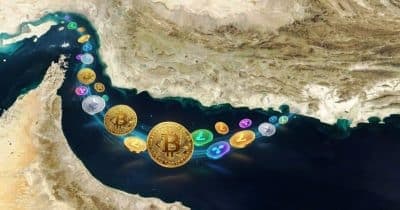
- On April 8, 2026, Iran announced a requirement for cryptocurrency payments for tolls on laden oil tankers transiting the Strait of Hormuz.
- The toll is set at approximately $1 per barrel, payable in cryptocurrency, with monitoring for weapons smuggling and a guided route to avoid military strikes.
- This comes amid a two-week ceasefire with the United States, following a blockade that had previously halted most oil transits.
The context you actually need
- The Strait of Hormuz is a critical chokepoint for approximately 20% of global oil trade, making it vital for energy security.
- Iran's recent blockade of the Strait in March 2026 led to oil price surges above $100 per barrel, exacerbating global supply disruptions.
- The cryptocurrency tolls are part of Iran's strategy to bypass dollar-based systems amid ongoing international sanctions, reflecting a broader trend in using digital currencies for trade.
What's really happening
In March 2026, escalating tensions between the U.S. and Iran culminated in a blockade of the Strait of Hormuz, halting the transit of oil and triggering significant price increases. As a response to the blockade, Iran introduced selective tolls in yuan and cryptocurrency for vessels seeking safe passage. This toll system was formalized on April 8, 2026, when Hamid Hosseini, a representative of Iran's Oil, Gas and Petrochemical Products Exporters’ Union, announced that laden oil tankers would be required to pay approximately $1 per barrel in cryptocurrency after submitting their cargo details.
This new toll structure is designed to enforce compliance and ensure that Iran can monitor shipments for potential weapons smuggling, a major concern given the ongoing military tensions in the region. Empty vessels are exempt from these tolls, but all ships must adhere to a guided northern route near Iran's coast. Non-compliance could result in military action, thus creating a high-stakes environment for shipping companies.
The implications of this toll system extend beyond immediate shipping logistics. By leveraging cryptocurrency, Iran aims to circumvent international sanctions that restrict its access to traditional financial systems. This move not only allows Iran to generate revenue—potentially estimated at $7 billion annually at pre-war volumes—but also positions cryptocurrency as a viable alternative for international trade, particularly in regions facing economic sanctions.
Shipping companies, such as Maersk, are adopting a cautious approach, weighing the risks of compliance against the potential for military action. The process is expected to limit throughput to only a few ships daily, leading to backlogs in the Gulf and increased costs for fuel and imports/exports. As a result, the ripple effects of these tolls could be felt across the global oil market, influencing prices and availability.
Who feels it first (and how)
- Shipping companies: Increased operational costs and potential delays in transit.
- Oil importers/exporters: Higher prices and uncertainty in supply chains.
- Consumers: Potential rise in fuel prices affecting transportation and goods.
- Regional economies: Countries reliant on oil exports may experience revenue fluctuations.
What to watch next
- Shipping compliance rates: Monitoring how many companies adhere to the new tolls will indicate the effectiveness of Iran's enforcement and the potential for further disruptions.
- Oil price fluctuations: Watch for changes in global oil prices as the market reacts to the tolls and any subsequent geopolitical developments.
- Cryptocurrency market reactions: The response of Bitcoin and other cryptocurrencies to this new payment system could signal broader acceptance of digital currencies in international trade.
Iran's tolls are now active, and compliance is mandatory for laden oil tankers.
Shipping backlogs and increased costs for oil and goods will emerge as a result of the new tolls.
The long-term impact on global oil prices and shipping routes remains uncertain as geopolitical tensions evolve.
Frequently Asked Questions
- Why it matters?
- This move could disrupt global oil supply chains and elevate energy prices, impacting economies worldwide.
- What happened (in 30 seconds)?
- On April 8, 2026, Iran announced a requirement for cryptocurrency payments for tolls on laden oil tankers transiting the Strait of Hormuz. The toll is set at approximately $1 per barrel, payable in cryptocurrency, with monitoring for weapons smuggling and a guided route to avoid military strikes. This comes amid a two-week ceasefire with the United States, following a blockade that had previously halted most oil transits.
- What's really happening?
- In March 2026, escalating tensions between the U.S. and Iran culminated in a blockade of the Strait of Hormuz, halting the transit of oil and triggering significant price increases. As a response to the blockade, Iran introduced selective tolls in yuan and cryptocurrency for vessels seeking safe passage. This toll system was formalized on April 8, 2026, when Hamid Hosseini, a representative of Iran's Oil, Gas and Petrochemical Products Exporters’ Union, announced that laden oil tankers would be
- Who feels it first (and how)?
- Shipping companies: Increased operational costs and potential delays in transit. Oil importers/exporters: Higher prices and uncertainty in supply chains. Consumers: Potential rise in fuel prices affecting transportation and goods. Regional economies: Countries reliant on oil exports may experience revenue fluctuations.
- What to watch next?
- Shipping compliance rates: Monitoring how many companies adhere to the new tolls will indicate the effectiveness of Iran's enforcement and the potential for further disruptions. Oil price fluctuations: Watch for changes in global oil prices as the market reacts to the tolls and any subsequent geopolitical developments. Cryptocurrency market reactions: The response of Bitcoin and other cryptocurrencies to this new payment system could signal broader acceptance of digital currencies in internation
Editor-curated FT homepage stories spanning markets, business, world, and opinion.
"The Financial Times is a globally respected business publication with a centrist/center-left tone and strong markets focus."
— A47 Editor
Iran demands crypto fees for ships passing Hormuz during ceasefire
Iran's oil exporters' union has announced that ships passing through the Strait of Hormuz during a two-week ceasefire with the United States will be required to pay tolls in cryptocurrency, with vessels monitored for weapons. This development comes a...
Covers Bitcoin plus altcoin news, market updates, and educational resources.
"Bitcoin.com provides news, market data, and guides focused on Bitcoin and the wider crypto industry."
— A47 Editor
Report: Iran Charges Crypto and Yuan Tolls for Strait of Hormuz Oil Tanker Passage
Iran's Islamic Revolutionary Guard Corps (IRGC) has introduced a toll system at the Strait of Hormuz, requiring oil tankers to pay fees in stablecoins or Chinese yuan for passage through this vital maritime route. This decision reflects Iran's strate...
Tech startup news, programming trends, and discussions shared by the developer community.
"Hacker News is a community-driven source highlighting influential tech discussions, startup launches, and programming insights."
— A47 Editor
Iran demands Bitcoin fees for ships passing Hormuz during ceasefire
Iran has announced that it will require Bitcoin fees for ships passing through the Strait of Hormuz during a two-week ceasefire, a move that underscores the country's growing reliance on cryptocurrency amid ongoing geopolitical tensions.
News, analysis, and thought leadership focusing exclusively on Bitcoin.
"Bitcoin Magazine is one of the original publications devoted to Bitcoin, offering in-depth news, analysis, and commentary."
— A47 Editor
Iran to Accept Bitcoin for Strait of Hormuz Transit as Ceasefire Takes Hold
Iran has announced that it will begin accepting Bitcoin as a toll for ships transiting the strategically vital Strait of Hormuz, coinciding with a ceasefire agreement between the U.S. and Iran. This move ties the cryptocurrency to a critical global e...
Research, news, and analysis on blockchain startups, DeFi, and regulations.
"Crypto Briefing provides research, news, and analysis on blockchain startups, DeFi, and crypto regulations with investor-focused coverage."
— A47 Editor
Iran demands Bitcoin, crypto payments for Strait of Hormuz passage: FT
Iran has demanded that vessels passing through the strategically vital Strait of Hormuz pay tolls in Bitcoin or other cryptocurrencies, a move that could significantly disrupt global shipping routes and impact oil prices. This demand comes amid ongoi...
Covers blockchain, cryptocurrency news, project analysis, and market insights.
"CoinDesk is a well-established cryptocurrency and blockchain news provider, offering comprehensive insights, market data, and industry research."
— A47 Editor
Iran eyes crypto toll for oil tanker transits through Strait of Hormuz, according to FT
Iran has announced plans to collect cryptocurrency and other digital payments as transit fees from fully loaded oil tankers passing through the strategically significant Strait of Hormuz. This decision reflects Iran's adaptation to the evolving finan...