
US and Iran Announce Fragile Two-Week Ceasefire Amid Ongoing Regional Attacks
Here's what it means for you.
The ongoing conflict and fragile ceasefire between the US and Iran could disrupt global oil prices and security in the Middle East, impacting your business and travel plans.
Why it matters
This ceasefire is pivotal, as it directly influences oil supply chains and geopolitical stability in a region critical to global energy markets.
What happened (in 30 seconds)
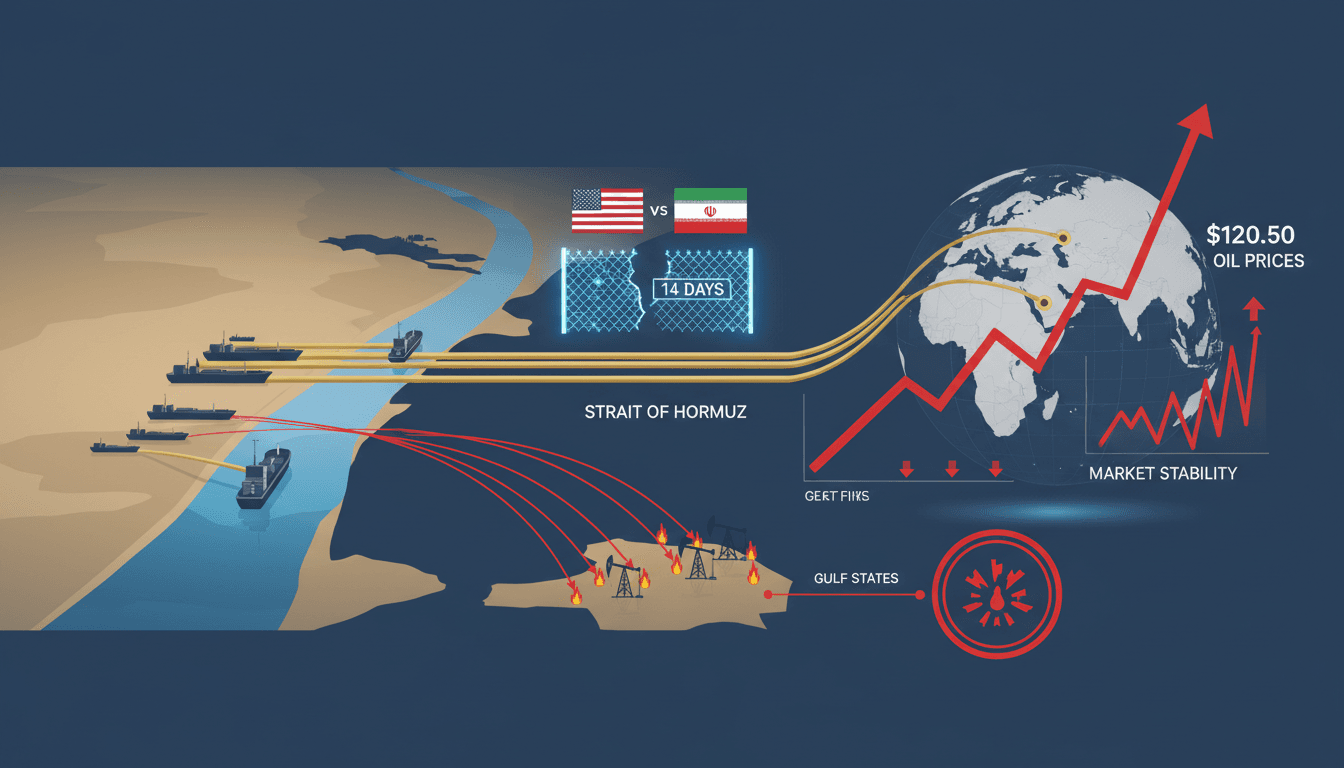
- On April 8, 2026, the US and Iran announced a provisional two-week ceasefire, mediated by Pakistan, contingent on Iran reopening the Strait of Hormuz.
- Conflicting narratives emerged, with the US excluding Israeli operations against Hezbollah, while Iran demanded a broader cessation of hostilities.
- Attacks continued across the Persian Gulf and Lebanon, leading to confusion among Gulf states and raising concerns over regional security.
The context you actually need
- The 2026 Iran War began on February 28, 2026, with US-Israeli airstrikes targeting Iranian military assets, escalating tensions in the region.
- Iran retaliated with missile and drone strikes on US bases and Gulf states, effectively closing the Strait of Hormuz, a vital oil transit route.
- The ceasefire announcement led to a 15% drop in crude oil prices, reflecting market uncertainty and the potential for further conflict.
What's really happening
The ceasefire agreement, while intended to halt hostilities, has revealed deep-seated tensions and conflicting interests among the involved parties. The US, under President Trump, aimed to suspend military operations against Iran in exchange for the reopening of the Strait of Hormuz, a critical artery for global oil shipments. However, the US's exclusion of Israeli actions against Hezbollah has complicated the situation, as Iran insists on a broader cessation of violence that includes its regional allies.
Iran's insistence on including Lebanon, Yemen, and Iraq in the ceasefire terms underscores its strategy to maintain influence across the region, particularly through proxy groups like Hezbollah and the Houthis. This approach not only aims to counter US and Israeli actions but also to solidify its standing among Gulf states, which are increasingly wary of Iranian aggression.
The immediate aftermath of the ceasefire announcement saw a flurry of military activity, with Israel conducting airstrikes in Lebanon and Iran launching drone and missile attacks on Gulf states. This ongoing violence has led to a fragile ceasefire status, with both sides accusing each other of violations. The situation has left Gulf states, including the UAE and Kuwait, scrambling to activate air defenses and reassess their security postures.
The economic implications are significant. The 15% plunge in crude oil prices following the ceasefire announcement reflects market anxieties about the stability of oil supplies from the region. With the Strait of Hormuz being responsible for approximately 20% of the world's oil trade, any disruption could have cascading effects on global energy prices and economic stability.
Moreover, the geopolitical landscape is shifting as Gulf states reassess their relationships with Iran and the US. The UAE's decision to revoke Iranian residencies and close its embassy in Tehran signals a hardening stance against Iranian influence, while Pakistan's role as a mediator highlights the complexities of regional diplomacy.
In summary, the ceasefire has not resolved the underlying tensions but rather exposed the fragility of peace in a region marked by conflict and competing interests. The potential for further escalation remains high, as both Iran and Israel continue to pursue aggressive military strategies.
Who feels it first (and how)
- Energy Sector: Companies reliant on stable oil prices may face volatility, affecting profits and operational costs.
- Travel and Tourism: Increased security concerns could deter tourists from the Gulf region, impacting local economies.
- Expatriates: Individuals living in the UAE and surrounding areas may experience heightened risks and disruptions in daily life.
What to watch next
- Iran's military actions: Monitor any retaliatory strikes or escalations from Iran, as these could further destabilize the region and impact oil prices.
- Gulf state responses: Watch for shifts in defense policies or alliances among Gulf states, particularly regarding their stance on Iran.
- Negotiation outcomes: The scheduled talks in Islamabad could lead to either a more stable ceasefire or a renewed cycle of conflict, influencing regional dynamics.
The ceasefire is fragile, with ongoing attacks reported.
Continued military operations by Israel and Iran, despite the ceasefire.
The long-term effectiveness of the ceasefire and its impact on regional stability.
Frequently Asked Questions
- Why it matters?
- This ceasefire is pivotal, as it directly influences oil supply chains and geopolitical stability in a region critical to global energy markets.
- What happened (in 30 seconds)?
- On April 8, 2026, the US and Iran announced a provisional two-week ceasefire, mediated by Pakistan, contingent on Iran reopening the Strait of Hormuz. Conflicting narratives emerged, with the US excluding Israeli operations against Hezbollah, while Iran demanded a broader cessation of hostilities. Attacks continued across the Persian Gulf and Lebanon, leading to confusion among Gulf states and raising concerns over regional security.
- What's really happening?
- The ceasefire agreement, while intended to halt hostilities, has revealed deep-seated tensions and conflicting interests among the involved parties. The US, under President Trump, aimed to suspend military operations against Iran in exchange for the reopening of the Strait of Hormuz, a critical artery for global oil shipments. However, the US's exclusion of Israeli actions against Hezbollah has complicated the situation, as Iran insists on a broader cessation of violence that includes its region
- Who feels it first (and how)?
- Energy Sector: Companies reliant on stable oil prices may face volatility, affecting profits and operational costs. Travel and Tourism: Increased security concerns could deter tourists from the Gulf region, impacting local economies. Expatriates: Individuals living in the UAE and surrounding areas may experience heightened risks and disruptions in daily life.
- What to watch next?
- Iran's military actions: Monitor any retaliatory strikes or escalations from Iran, as these could further destabilize the region and impact oil prices. Gulf state responses: Watch for shifts in defense policies or alliances among Gulf states, particularly regarding their stance on Iran. Negotiation outcomes: The scheduled talks in Islamabad could lead to either a more stable ceasefire or a renewed cycle of conflict, influencing regional dynamics.
Global markets, investing, and macroeconomics from a premier financial newsroom.
"Bloomberg is respected for in-depth financial reporting and data-driven analysis."
— A47 Editor
Conflicting Narratives Over US-Iran Ceasefire as Attacks Persist
A two-week ceasefire has been agreed upon between the United States and Iran, following a period of heightened military tensions in the region. This agreement aims to halt hostilities and facilitate negotiations, particularly concerning the reopening...
News from the United States including domestic politics, society, and culture.
"The Guardian is known for its progressive editorial stance and in-depth analysis, often advocating for social justice, environmental issues, and liberal values."
— A47 Editor
Trump news at a glance: a tale of two ceasefires as US and Iran claim different terms
The United States and Iran have reached a provisional two-week ceasefire, facilitated by Pakistan, following escalating tensions and threats from President Donald Trump. Both nations have claimed victory, but their interpretations of the agreement di...
United Kingdom-focused news including local politics, business, and social issues.
"BBC News is widely regarded as a reputable international news organization, known for its impartial tone and public service mandate."
— A47 Editor
The Papers: 'Fragile ceasefire at risk' and 'Putin mocks Starmer'
The United States and Iran have agreed to a two-week ceasefire, announced by President Trump, following a month of escalating military actions. This truce aims to ease tensions in the region, particularly concerning the strategic Strait of Hormuz, wh...