
UK Prime Minister Rejects US Naval Blockade of Iranian Ports
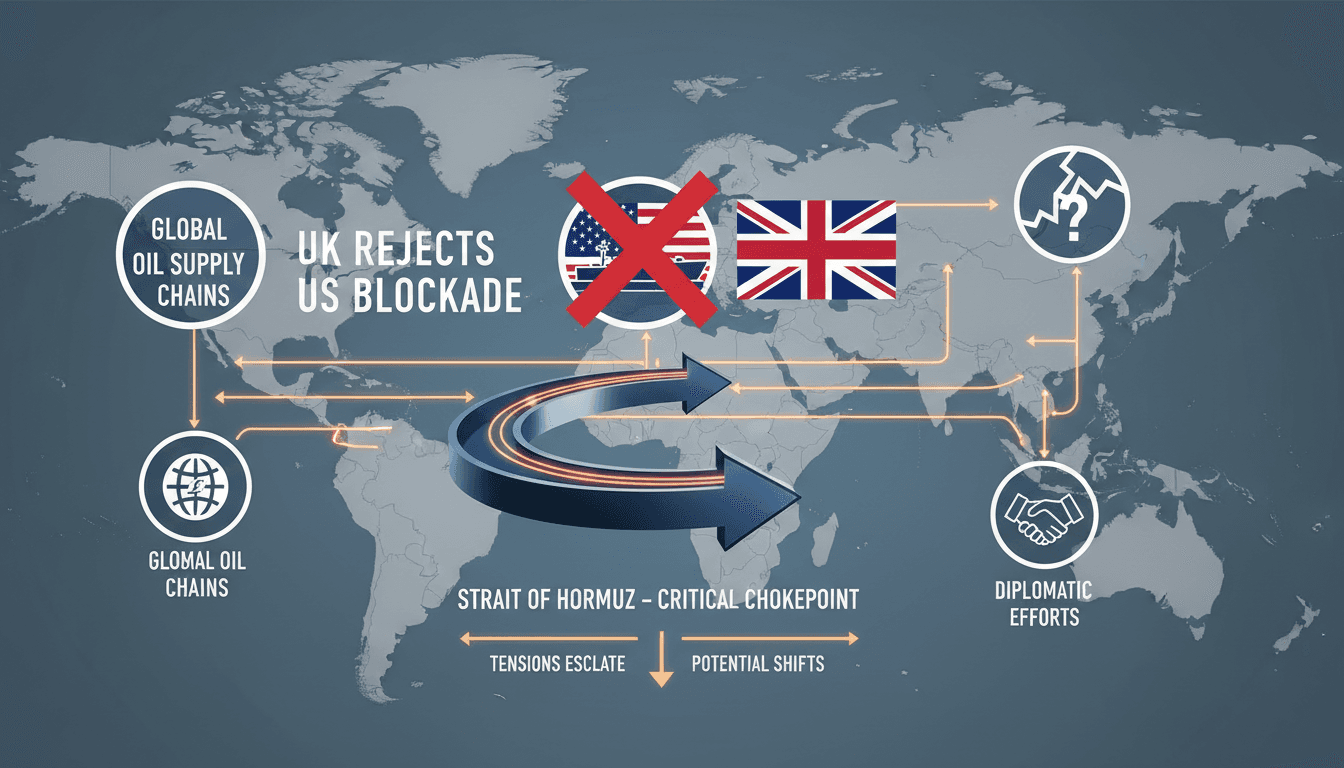
Here's what it means for you.
If you rely on global oil supplies, the UK’s diplomatic stance could impact fuel prices and supply chains.
Why it matters
The Strait of Hormuz is a critical chokepoint for global oil, and any disruption can lead to significant market volatility.
What happened (in 30 seconds)
- April 13, 2026: UK Prime Minister Keir Starmer announced that the UK would not support the US naval blockade of Iranian ports.
- US Blockade: This blockade, ordered by President Trump, aims to restrict Iranian shipping amid ongoing military conflict.
- Diplomatic Focus: Starmer emphasized the need for diplomatic efforts to reopen the Strait of Hormuz, which carries 20% of the world's oil supplies.
The context you actually need
- US-Israel Conflict: The US-Israel war against Iran began on February 28, 2026, leading to Iranian restrictions on the Strait of Hormuz.
- Transit Fees: Iran has imposed $2 million transit fees, allowing passage primarily to friendly nations, effectively closing the route to most international shipping.
- Market Reaction: Following Starmer's announcement, Brent crude oil prices surged nearly 8%, reflecting immediate market concerns over supply disruptions.
What's really happening
The refusal of the UK to support the US blockade of Iranian ports in the Strait of Hormuz is a significant diplomatic maneuver amid escalating tensions in the region. The Strait of Hormuz is a vital maritime corridor, with approximately 20% of the world's oil supplies passing through it. The ongoing US-Israel conflict with Iran, which escalated following airstrikes on February 28, 2026, has already led to Iranian restrictions on shipping, including the imposition of hefty transit fees.
Starmer's announcement comes at a critical juncture, as the US has initiated a naval blockade aimed at neutralizing Iranian mines and ensuring the safe passage of vessels. However, the UK’s decision to prioritize diplomatic solutions over military action reflects a broader strategy to maintain stability in global oil markets and avoid further escalation of military conflict. The UK is now working with France to develop a multinational diplomatic plan to safeguard navigation in the Strait, emphasizing the importance of dialogue over confrontation.
The implications of this decision are multifaceted. On one hand, it signals a potential rift between traditional allies, as the UK diverges from US military strategies. On the other hand, it highlights the UK's commitment to international diplomacy, which may resonate positively with nations wary of military escalation. The immediate market reaction, with Brent crude prices rising sharply, underscores the sensitivity of oil markets to geopolitical developments.
As the situation unfolds, the UK’s approach may influence other nations' responses to the blockade and the broader conflict. Countries reliant on oil imports, particularly those in Europe and Asia, will be closely monitoring the developments, as any prolonged disruption could lead to increased fuel prices and inflationary pressures.
In summary, Starmer's refusal to support the blockade is not just a diplomatic statement; it is a calculated move that seeks to balance national interests with global stability, potentially reshaping alliances and market dynamics in the process.
Who feels it first (and how)
- Oil Importers: Countries dependent on oil imports will face immediate price hikes and supply chain disruptions.
- Consumers: Individuals in regions like Dubai may see increased fuel costs and inflation affecting daily expenses.
- Shipping Companies: Firms operating in the Persian Gulf will experience delays and increased transit costs due to heightened tensions and restrictions.
What to watch next
- Diplomatic Developments: Watch for updates on UK and French diplomatic efforts to mediate the situation, as successful negotiations could stabilize oil markets.
- Oil Price Trends: Monitor Brent crude prices for signs of volatility, which could indicate market reactions to ongoing geopolitical tensions.
- Iran's Response: Keep an eye on Iran's military and economic responses to the blockade, as aggressive actions could escalate the conflict further.
The UK will not support the US blockade of Iranian ports.
Oil prices will remain volatile as the situation develops.
The long-term impact on UK-US relations and global oil supply chains remains uncertain.
Frequently Asked Questions
- Why it matters?
- The Strait of Hormuz is a critical chokepoint for global oil, and any disruption can lead to significant market volatility.
- What happened (in 30 seconds)?
- April 13, 2026: UK Prime Minister Keir Starmer announced that the UK would not support the US naval blockade of Iranian ports. US Blockade: This blockade, ordered by President Trump, aims to restrict Iranian shipping amid ongoing military conflict. Diplomatic Focus: Starmer emphasized the need for diplomatic efforts to reopen the Strait of Hormuz, which carries 20% of the world's oil supplies.
- What's really happening?
- The refusal of the UK to support the US blockade of Iranian ports in the Strait of Hormuz is a significant diplomatic maneuver amid escalating tensions in the region. The Strait of Hormuz is a vital maritime corridor, with approximately 20% of the world's oil supplies passing through it. The ongoing US-Israel conflict with Iran, which escalated following airstrikes on February 28, 2026, has already led to Iranian restrictions on shipping, including the imposition of hefty transit fees. Starmer
- Who feels it first (and how)?
- Oil Importers: Countries dependent on oil imports will face immediate price hikes and supply chain disruptions. Consumers: Individuals in regions like Dubai may see increased fuel costs and inflation affecting daily expenses. Shipping Companies: Firms operating in the Persian Gulf will experience delays and increased transit costs due to heightened tensions and restrictions.
- What to watch next?
- Diplomatic Developments: Watch for updates on UK and French diplomatic efforts to mediate the situation, as successful negotiations could stabilize oil markets. Oil Price Trends: Monitor Brent crude prices for signs of volatility, which could indicate market reactions to ongoing geopolitical tensions. Iran's Response: Keep an eye on Iran's military and economic responses to the blockade, as aggressive actions could escalate the conflict further.
Global news coverage with extensive reporting on Middle Eastern conflicts and geopolitics.
"Al Jazeera is a Qatar-based broadcaster known for wide regional coverage and alternative perspectives."
— A47 Editor
Starmer says UK will not support US blockade of Strait of Hormuz
UK Prime Minister Keir Starmer has announced that the United Kingdom will not support the U.S. blockade of the Strait of Hormuz, a critical maritime route for global oil shipments. This decision comes amid rising tensions in the region following U.S....
Comprehensive coverage of Middle Eastern and global issues.
"Al Jazeera is a prominent voice from the Global South, especially the Middle East, with an emphasis on underreported stories."
— A47 Editor
Starmer says UK will not support US blockade of Strait of Hormuz
UK Prime Minister Keir Starmer has announced that the United Kingdom will not support the U.S. blockade of the Strait of Hormuz, a critical maritime route for global oil shipments. This decision comes amid rising tensions in the region following U.S....
Political developments, policy debates, elections, and government affairs in the UK.
"BBC News is widely regarded as a reputable international news organization, known for its impartial tone and public service mandate."
— A47 Editor
Starmer says UK will not join Trump's blockade of Iran's ports
UK Labour leader Keir Starmer announced that the United Kingdom will not participate in the naval blockade of Iran's ports ordered by U.S. President Donald Trump, despite the ongoing tensions in the region. UK minesweepers and anti-drone capabilities...
Oil, metals, and agriculture: supply/demand headlines, OPEC chatter, inventories, and price action.
"Solid tape for energy and metals traders tracking macro and micro catalysts."
— A47 Editor
UK will not back blockade of Strait of Hormuz, PM Starmer says
UK Prime Minister Keir Starmer has announced that the UK will not support any blockade of the Strait of Hormuz, a crucial maritime route for global oil shipments, amid rising tensions with Iran. This statement emphasizes the UK's position of non-invo...
Regional coverage and analysis focused on politics, diplomacy, and business across the Middle East.
"Al-Monitor is known for analytical reporting on Middle East politics and policy developments."
— A47 Editor
UK will not back blockade of Strait of Hormuz, PM Starmer says
British Prime Minister Keir Starmer announced that the UK will not support a blockade of the Strait of Hormuz, emphasizing the importance of reopening this critical maritime route for global oil transport. He stated that the UK’s efforts will focus o...