
Ford CEO Warns of Threat from Chinese Electric Vehicles to US Auto Industry
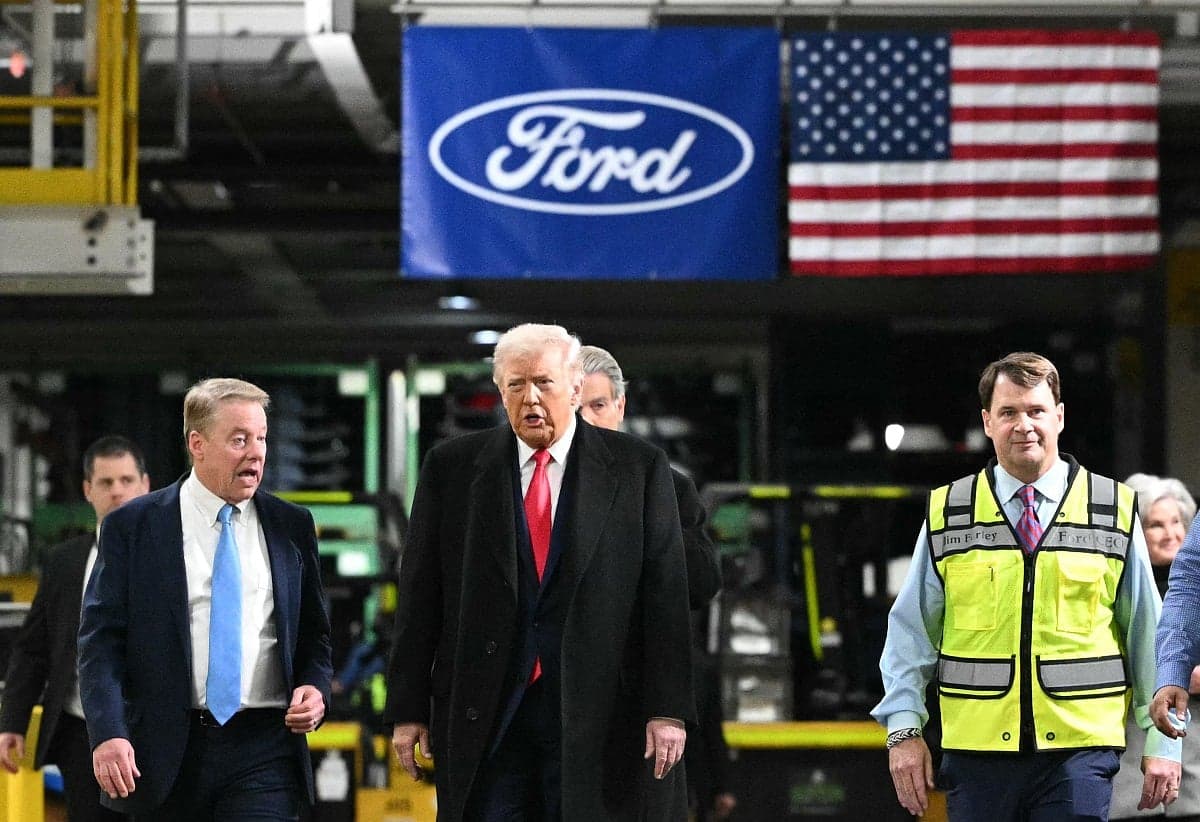
Here's what it means for you.
If you work in the U.S. auto industry, the future of your job may hinge on trade policies regarding Chinese electric vehicles.
Why it matters
The U.S. auto manufacturing sector is at a critical juncture, facing unprecedented competition that could reshape its landscape.
What happened (in 30 seconds)
- On April 13, 2026, Ford CEO Jim Farley warned that Chinese electric vehicles (EVs) pose a significant threat to U.S. manufacturing jobs during a Fox News interview.
- Farley highlighted the unfair pricing of Chinese EVs, which are subsidized by the Chinese government, allowing models to be sold for under $10,000 compared to U.S. counterparts exceeding $40,000.
- The U.S. currently maintains high tariffs on Chinese EVs, with ongoing debates about their future under the Trump administration.
The context you actually need
- Chinese EV manufacturers benefit from substantial government subsidies, enabling them to produce vehicles at a fraction of the cost of U.S. automakers, who face higher wages and stricter regulations.
- The 2026 Strait of Hormuz crisis has led to rising fuel prices and increased demand for electric vehicles, intensifying competition in the market.
- Farley's shift from previously praising Chinese EVs to advocating for protectionism reflects a growing concern among U.S. automakers about their market share and job security.
What's really happening
The automotive industry is undergoing a seismic shift as electric vehicles gain traction globally. In the U.S., the competition from Chinese manufacturers is intensifying, driven by significant government support that allows them to undercut prices dramatically. For instance, the BYD Seagull, priced under $10,000, starkly contrasts with the Tesla Model 3, which starts at around $42,000. This pricing disparity is not merely a matter of consumer choice; it poses a direct threat to the viability of U.S. auto manufacturing jobs.
Jim Farley's warning is rooted in a broader narrative of economic nationalism, where the U.S. seeks to protect its manufacturing base from foreign competition that is perceived as unfair. The tariffs currently imposed on Chinese EVs—ranging from 100% to 250%—are a direct response to this competitive threat. However, these tariffs also come with trade-offs, including potential retaliation from China and higher prices for consumers.
The backdrop of the 2026 Strait of Hormuz crisis, which has spiked fuel prices and increased interest in EVs, adds another layer of complexity. As consumers look for alternatives to traditional gasoline vehicles, the allure of cheaper Chinese EVs becomes more pronounced. This situation is further exacerbated by Canada and Mexico easing their import restrictions on Chinese vehicles, which could lead to a significant influx of these cars into North America, undermining U.S. manufacturers.
Farley's call for joint ventures with U.S. firms suggests a potential path forward, but it also highlights the urgency of the situation. With nearly 1 million U.S. auto jobs at risk, the stakes are high. The automotive sector is not just about cars; it’s about livelihoods, economic stability, and national security. The cybersecurity risks associated with data-collecting cameras in Chinese vehicles further complicate the narrative, as concerns about data privacy and national security loom large.
In summary, the dynamics of the global automotive market are shifting rapidly, and U.S. manufacturers are at a crossroads. The decisions made in the coming months regarding tariffs and trade policies will have lasting implications for the industry and the workforce that supports it.
Who feels it first (and how)
- U.S. auto workers: Job security is threatened as competition increases.
- Automakers: Companies like Ford and GM face pressure to innovate and reduce costs.
- Consumers: Higher tariffs could lead to increased vehicle prices and fewer choices.
- Policy makers: Decisions on tariffs and trade agreements will impact economic stability.
What to watch next
- Tariff adjustments: Any changes in U.S. tariffs on Chinese EVs will directly affect market dynamics and job security in the auto sector.
- Joint ventures: The formation of partnerships between U.S. and Chinese firms could reshape competitive strategies and market access.
- Consumer trends: Shifts in consumer preferences towards EVs will influence demand and pricing strategies across the industry.
U.S. auto jobs are at risk if Chinese EVs enter the market.
Continued debates over tariffs and trade policies will shape the future of the automotive industry.
The long-term impact of the Strait of Hormuz crisis on global fuel prices and EV demand remains uncertain.
Frequently Asked Questions
- Why it matters?
- The U.S. auto manufacturing sector is at a critical juncture, facing unprecedented competition that could reshape its landscape.
- What happened (in 30 seconds)?
- On April 13, 2026, Ford CEO Jim Farley warned that Chinese electric vehicles (EVs) pose a significant threat to U.S. manufacturing jobs during a Fox News interview. Farley highlighted the unfair pricing of Chinese EVs, which are subsidized by the Chinese government, allowing models to be sold for under $10,000 compared to U.S. counterparts exceeding $40,000. The U.S. currently maintains high tariffs on Chinese EVs, with ongoing debates about their future under the Trump administration.
- What's really happening?
- The automotive industry is undergoing a seismic shift as electric vehicles gain traction globally. In the U.S., the competition from Chinese manufacturers is intensifying, driven by significant government support that allows them to undercut prices dramatically. For instance, the BYD Seagull, priced under $10,000, starkly contrasts with the Tesla Model 3, which starts at around $42,000. This pricing disparity is not merely a matter of consumer choice; it poses a direct threat to the viability of
- Who feels it first (and how)?
- U.S. auto workers: Job security is threatened as competition increases. Automakers: Companies like Ford and GM face pressure to innovate and reduce costs. Consumers: Higher tariffs could lead to increased vehicle prices and fewer choices. Policy makers: Decisions on tariffs and trade agreements will impact economic stability.
- What to watch next?
- Tariff adjustments: Any changes in U.S. tariffs on Chinese EVs will directly affect market dynamics and job security in the auto sector. Joint ventures: The formation of partnerships between U.S. and Chinese firms could reshape competitive strategies and market access. Consumer trends: Shifts in consumer preferences towards EVs will influence demand and pricing strategies across the industry.
In-depth reporting on tech, policy, and science including AI.
"Respected analysis for technically savvy readers, including AI topics."
— A47 Editor
US jobs too important to risk Chinese car imports, says Ford CEO
Ford CEO Jim Farley has expressed concerns that the potential influx of Chinese car imports poses a significant risk to US jobs, emphasizing that China has the capacity to dominate the entire US car market.
In-depth coverage of hardware, software, science, and policy.
"Ars Technica provides expert technology news, hardware reviews, and analysis for a technically savvy audience."
— A47 Editor
US jobs too important to risk Chinese car imports, says Ford CEO
Ford CEO Jim Farley has expressed concerns that the potential influx of Chinese car imports poses a significant risk to US jobs, emphasizing that China has the capacity to dominate the entire US car market.
Stock market news, investing ideas, and trading analysis.
"TheStreet provides market news and retail-investor-focused analysis."
— A47 Editor
Ford CEO Jim Farley has blunt message on Chinese EVs
Ford CEO Jim Farley expressed concerns about the competitive threat posed by Chinese electric vehicle (EV) manufacturers during a recent appearance on Fox & Friends, emphasizing the company's commitment to U.S. assembly despite ongoing tariff challen...
UAE-based newspaper covering Gulf politics, society, and international developments.
"Gulf News is one of the UAE’s most prominent English-language publications."
— A47 Editor
Ford CEO’s dire warning: Chinese EVs will crush America’s auto heartland
Ford's CEO has issued a stark warning that the rise of Chinese electric vehicles (EVs) poses a significant threat to America's automotive industry, particularly in the Midwest, traditionally known as the heartland of auto manufacturing. This warning ...
A curated Gulf News feed featuring major stories across news, business, opinion, and lifestyle.
"Gulf News is a major UAE newspaper whose featured stories feed reflects a broad editorial mix shaped for a Gulf audience."
— A47 Editor
Ford CEO’s dire warning: Chinese EVs will crush America’s auto heartland
Ford's CEO has issued a stark warning that the rise of Chinese electric vehicles (EVs) poses a significant threat to America's automotive industry, particularly in the Midwest, traditionally known as the heartland of auto manufacturing. This warning ...