
Iran and US Engage in Mutual Naval Blockades in Strait of Hormuz Crisis
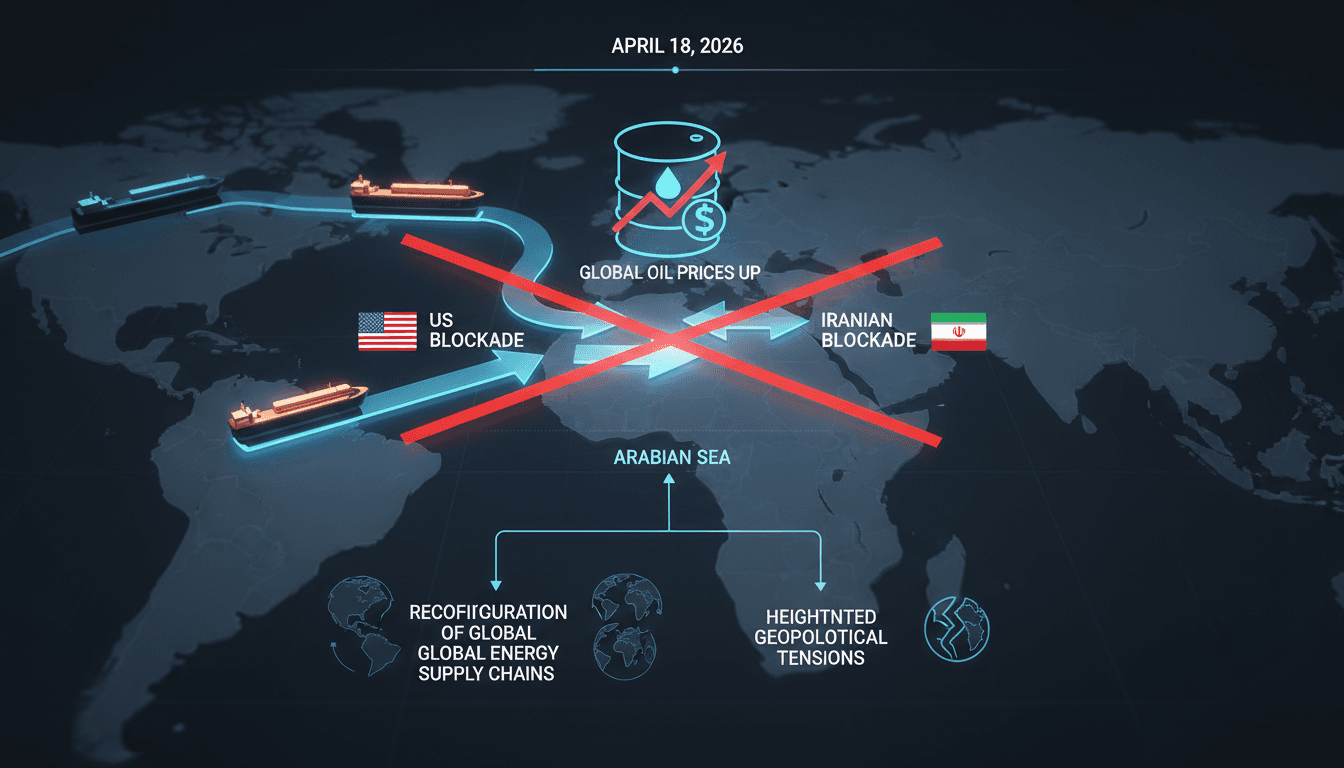
Here's what it means for you.
The ongoing crisis in the Strait of Hormuz could disrupt global energy prices and supply chains, impacting your costs and investments.
Why it matters
The Strait of Hormuz is a critical chokepoint for global oil transport, with 20% of the world's seaborne oil passing through it daily.
What happened (in 30 seconds)
- April 18, 2026: Iran re-closed the Strait of Hormuz in response to a U.S. naval blockade, escalating tensions.
- April 13, 2026: The U.S. initiated a blockade on Iranian ports, leading to vessel seizures and heightened military presence.
- February 28, 2026: U.S.-Israeli airstrikes killed Iranian Supreme Leader Ali Khamenei, triggering retaliatory actions from Iran.
The context you actually need
- Geopolitical tensions: The crisis follows failed nuclear negotiations and a prior air conflict, intensifying U.S.-Iran hostilities.
- Economic stakes: The Strait is vital for transporting 20 million barrels of oil daily, making it a strategic asset for both nations.
- Military escalation: Iran's use of asymmetric tactics, including drone strikes and naval blockades, reflects a shift in regional power dynamics.
What's really happening
The 2026 Strait of Hormuz crisis is a complex interplay of military strategy, economic leverage, and geopolitical maneuvering. Following the assassination of Iranian Supreme Leader Ali Khamenei on February 28, 2026, by U.S.-Israeli airstrikes, Iran's Islamic Revolutionary Guard Corps (IRGC) swiftly escalated its military posture. The IRGC declared the Strait closed to U.S. and Israeli-allied vessels, laying mines and launching attacks on shipping traffic. This aggressive response was designed to exert economic pressure by threatening global oil supplies, which are crucial for both regional and global economies.
The U.S. responded with a naval blockade on Iranian ports, aiming to cut off Iran's access to maritime trade routes and enforce sanctions. This blockade has led to the seizure of Iranian vessels and increased military presence in the region, further heightening tensions. The situation is exacerbated by the fact that the Strait of Hormuz is a critical artery for global oil transport, with 20 million barrels of oil transiting daily, representing 20% of global seaborne trade. Disruptions here can lead to significant fluctuations in oil prices, impacting economies worldwide.
Both sides are currently engaged in a high-stakes game of brinkmanship. Iran has employed asymmetric tactics, including drone warfare and selective tolls for passage through the Strait, to maintain its leverage. Meanwhile, the U.S. has threatened to destroy Iranian infrastructure if provocations continue. The stalled ceasefire talks in Islamabad indicate that neither side is willing to back down without significant concessions, prolonging the crisis and its economic ramifications.
As the situation evolves, the implications for global energy markets and regional stability remain profound. The crisis not only affects oil prices but also has ripple effects on food inflation and global supply chains, as seen with fertilizer prices surging by 50% due to disrupted logistics.
Who feels it first (and how)
- Oil traders: Immediate fluctuations in oil prices affect trading strategies and profit margins.
- Logistics companies: Disruptions in shipping routes lead to delays and increased costs.
- Consumers: Rising oil prices translate to higher costs for goods and services, impacting household budgets.
- Investors: Stock market volatility, particularly in energy sectors, can affect investment portfolios.
- Governments: Increased energy costs can lead to inflationary pressures, influencing economic policy decisions.
What to watch next
- Oil price fluctuations: Monitor Brent crude prices, which surged to $126/barrel, as they will indicate market reactions to ongoing tensions.
- Ceasefire negotiations: Watch for any breakthroughs in talks, as successful negotiations could stabilize the situation and ease economic pressures.
- Military movements: Keep an eye on U.S. and Iranian naval deployments, as escalations could lead to further disruptions in the Strait.
The Strait of Hormuz is critical for global oil transport, with 20 million barrels transiting daily.
Continued military tensions will lead to fluctuations in oil prices and potential disruptions in global supply chains.
The long-term resolution of the crisis and its impact on U.S.-Iran relations remain uncertain.
Frequently Asked Questions
- Why it matters?
- The Strait of Hormuz is a critical chokepoint for global oil transport, with 20% of the world's seaborne oil passing through it daily.
- What happened (in 30 seconds)?
- April 18, 2026: Iran re-closed the Strait of Hormuz in response to a U.S. naval blockade, escalating tensions. April 13, 2026: The U.S. initiated a blockade on Iranian ports, leading to vessel seizures and heightened military presence. February 28, 2026: U.S.-Israeli airstrikes killed Iranian Supreme Leader Ali Khamenei, triggering retaliatory actions from Iran.
- What's really happening?
- The 2026 Strait of Hormuz crisis is a complex interplay of military strategy, economic leverage, and geopolitical maneuvering. Following the assassination of Iranian Supreme Leader Ali Khamenei on February 28, 2026, by U.S.-Israeli airstrikes, Iran's Islamic Revolutionary Guard Corps (IRGC) swiftly escalated its military posture. The IRGC declared the Strait closed to U.S. and Israeli-allied vessels, laying mines and launching attacks on shipping traffic. This aggressive response was designed to
- Who feels it first (and how)?
- Oil traders: Immediate fluctuations in oil prices affect trading strategies and profit margins. Logistics companies: Disruptions in shipping routes lead to delays and increased costs. Consumers: Rising oil prices translate to higher costs for goods and services, impacting household budgets. Investors: Stock market volatility, particularly in energy sectors, can affect investment portfolios. Governments: Increased energy costs can lead to inflationary pressures, influencing economic polic
- What to watch next?
- Oil price fluctuations: Monitor Brent crude prices, which surged to $126/barrel, as they will indicate market reactions to ongoing tensions. Ceasefire negotiations: Watch for any breakthroughs in talks, as successful negotiations could stabilize the situation and ease economic pressures. Military movements: Keep an eye on U.S. and Iranian naval deployments, as escalations could lead to further disruptions in the Strait.
Global news coverage with extensive reporting on Middle Eastern conflicts and geopolitics.
"Al Jazeera is a Qatar-based broadcaster known for wide regional coverage and alternative perspectives."
— A47 Editor
Strait of Hormuz: How a threat became a playbook
The Strait of Hormuz has emerged as a critical maritime route, shaping global power dynamics and economic control, particularly amid ongoing tensions between the U.S. and Iran. Recent developments include the reopening of the strait for commercial sh...
Comprehensive coverage of Middle Eastern and global issues.
"Al Jazeera is a prominent voice from the Global South, especially the Middle East, with an emphasis on underreported stories."
— A47 Editor
Strait of Hormuz: How a threat became a playbook
The Strait of Hormuz has emerged as a critical maritime route, shaping global power dynamics and economic control, particularly amid ongoing tensions between the U.S. and Iran. Recent developments include the reopening of the strait for commercial sh...
International stories from NPR’s global desk.
"NPR is an American public media organization known for thoughtful reporting and a slightly left-leaning editorial tone."
— A47 Editor
Gulf aluminum shipments stuck as Strait of Hormuz blockades put a strain on supply
Gulf aluminum shipments are currently stranded due to a U.S. blockade and ongoing conflict in the Strait of Hormuz, leading to a significant rise in aluminum prices to a four-year high. This blockade has severely disrupted supply chains, highlighting...