
PepsiCo Reports 8.5 Percent Revenue Growth in Q1 2026 Driven by Price Reductions
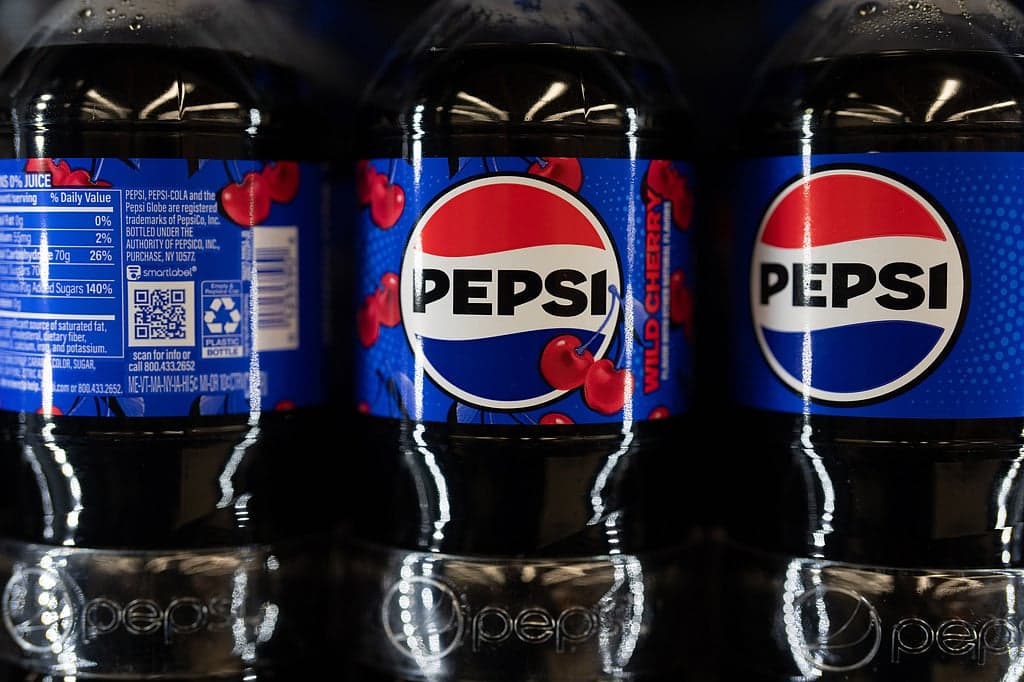
Here's what it means for you.
As consumer preferences shift towards affordability, your purchasing power and brand loyalty may be tested.
The Vibe
PepsiCo's recent revenue surge signals a notable shift in consumer behavior, favoring value over premium pricing.
What it signals
This trend highlights a growing consumer demand for affordability amid economic pressures. As inflationary concerns linger, brands that adapt by lowering prices can regain lost market share and enhance customer loyalty. This shift not only reflects changing consumer priorities but also indicates a potential rebalancing of power between established brands and private labels.
Why it's happening now
1. Activist investor pressure: Elliott Investment Management's $4 billion stake in PepsiCo catalyzed a strategic pivot towards price reductions, emphasizing the need for brands to respond to cost-conscious consumers.
2. Inflation fatigue: After two years of price hikes, consumers are increasingly resistant to premium pricing, prompting brands to reassess their pricing strategies to maintain volume and market relevance.
3. Seasonal marketing opportunities: The timing of price cuts ahead of major events like the Super Bowl illustrates how brands can leverage cultural moments to attract consumers back to their products.
Who it's for (and who it leaves out)
The core beneficiaries are budget-conscious consumers seeking value in their snack purchases. Conversely, premium brand loyalists may feel alienated as companies shift focus to regain volume through lower-priced offerings.
What to watch next
1. Competitor responses: Monitor how other snack brands react to PepsiCo's pricing strategy, particularly those heavily invested in premium products.
2. Consumer sentiment: Keep an eye on consumer confidence indices and spending patterns to gauge whether this trend towards affordability is a temporary reaction or a long-term shift.
Visual Directive: A bold graphic illustrating the contrast between PepsiCo's price cuts and consumer spending trends.
PepsiCo's revenue increased by 8.5% in Q1 2026, driven by strategic price cuts.
Other brands may follow suit, adjusting their pricing strategies to compete for cost-conscious consumers.
The long-term impact of these price cuts on brand equity and consumer loyalty remains to be seen.
UAE-based newspaper covering Gulf politics, society, and international developments.
"Gulf News is one of the UAE’s most prominent English-language publications."
— A47 Editor
PepsiCo's sales jump after it cuts prices
PepsiCo has reported a significant increase in sales following a strategic decision to cut prices on its products. This move appears to have resonated well with consumers, leading to a boost in demand and overall revenue for the company.
Market-moving headlines impacting equities, bonds, and related risk assets.
"Real-time catalysts and volatility drivers across indices and sectors."
— A47 Editor
PepsiCo’s price cuts, brand refreshes power quarterly results beat
PepsiCo reported a positive quarterly performance, driven by strategic price cuts and brand refreshes that resonated well with consumers. The company's focus on affordability and natural ingredients has led to increased demand for its snack products,...
Editor-curated FT homepage stories spanning markets, business, world, and opinion.
"The Financial Times is a globally respected business publication with a centrist/center-left tone and strong markets focus."
— A47 Editor
Appetite for PepsiCo’s cheaper snacks boosts foods group
PepsiCo is experiencing a surge in demand for its more affordable snack options, prompting the company to focus on price reductions and the introduction of products featuring natural ingredients. This strategic shift aims to cater to changing consume...