
Iran Shifts Deterrence Strategy to Control of Strait of Hormuz
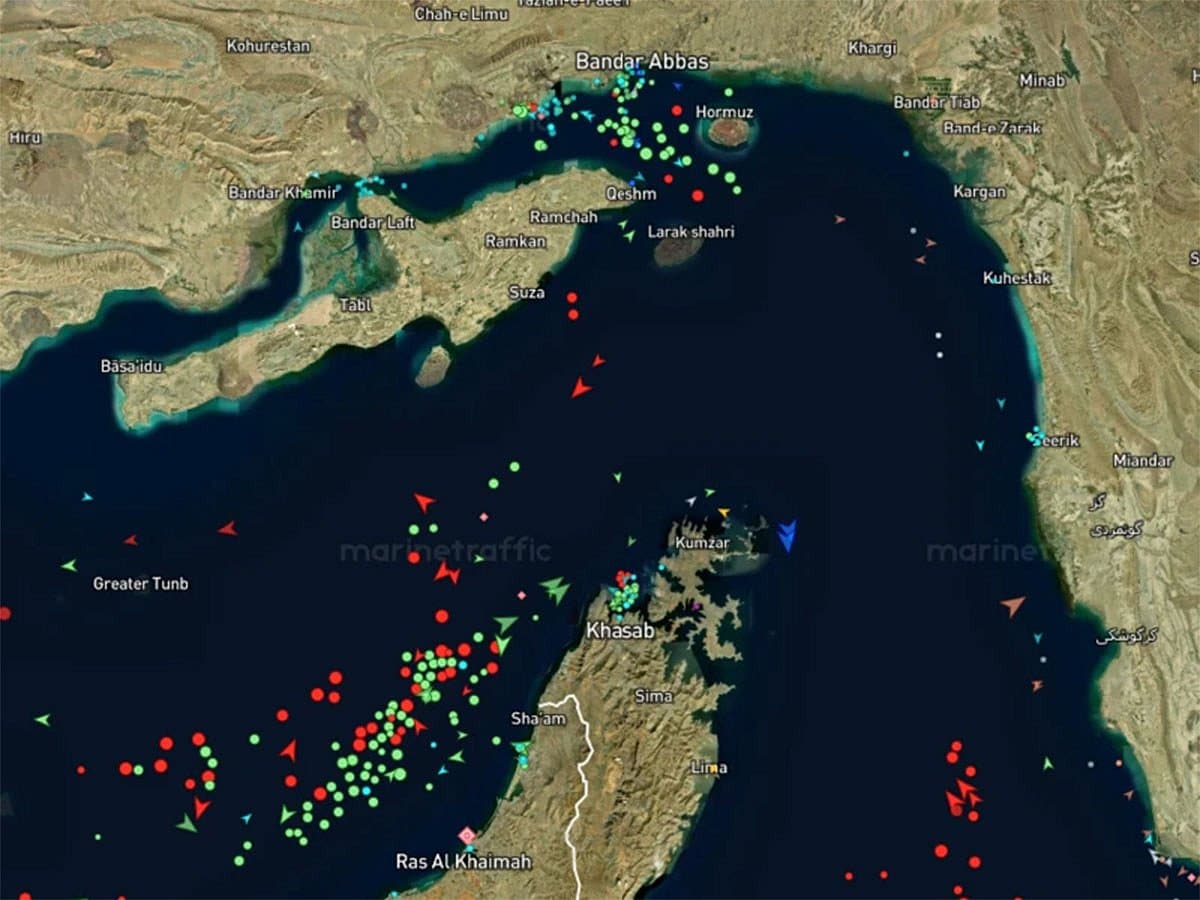
Here's what it means for you.
If you rely on global oil markets, the evolving dynamics in the Strait of Hormuz could directly impact your costs and economic stability.
Why it matters
The Strait of Hormuz is a critical chokepoint for global oil supply, and Iran's control over it poses significant risks to energy prices and international trade.
What happened (in 30 seconds)
- Iran shifted its deterrence strategy from nuclear capabilities to leveraging control over the Strait of Hormuz.
- Threats of disruption via mines, drones, and missiles have emerged as Iran's primary means of exerting pressure on adversaries.
- A fragile ceasefire following the 2026 US-Israel-Iran conflict has allowed Iran to reassert its influence over this vital maritime route.
The context you actually need
- Prior focus on nuclear threats: The international community, particularly the US and its allies, previously viewed Iran's nuclear program as the main existential threat.
- 2026 conflict escalation: The US-Israel-Iran war, which began over nuclear concerns, saw Iran close the Strait of Hormuz, demonstrating its maritime denial capabilities.
- Economic implications: With 20% of global oil supply transiting the strait, disruptions can lead to significant price fluctuations and economic instability worldwide.
What's really happening
Iran's strategic pivot from nuclear deterrence to control over the Strait of Hormuz reflects a calculated response to its geopolitical landscape. Following the 2026 conflict, where Iran faced significant military setbacks, it recognized the need to adapt its strategy to maintain leverage without escalating to nuclear arms. The Strait of Hormuz, a narrow passage through which approximately 20% of the world's oil supply flows, offers Iran a unique advantage. By threatening to disrupt shipping through this vital corridor, Iran can exert asymmetric pressure on its adversaries, particularly the United States and its allies.
The closure of the strait during the conflict demonstrated Iran's capability to inflict immediate economic damage. Attacks on vessels and the use of advanced weaponry, including drones and missiles, showcased Iran's maritime denial capabilities. This shift allows Iran to maintain a deterrent posture while avoiding the international backlash associated with nuclear development. The fragile ceasefire that followed the conflict has provided Iran with the opportunity to rebuild its military assets and reassert control over the strait, further solidifying its role as a key player in regional security dynamics.
The implications of this strategy extend beyond military posturing; they have profound economic consequences. As oil prices surged past $100 per barrel during the conflict, the global economy felt the strain. Countries reliant on oil imports, particularly those in the Gulf region, faced elevated costs for fuel and energy. The UAE, for instance, has reported significant volatility in its stock markets, with losses amounting to $120 billion since the onset of hostilities. This economic pressure is compounded by Iran's insistence that it will not allow unrestricted navigation through the strait, framing its actions as a necessary measure for national security.
As negotiations continue, the international community is grappling with the reality that Iran's control over the Strait of Hormuz is likely to remain a central element of its deterrence strategy. The ongoing tensions and the potential for future disruptions necessitate a reevaluation of energy security policies and strategies among nations dependent on oil imports.
Who feels it first (and how)
- Oil-importing countries: Increased fuel prices and economic instability.
- Energy sector professionals: Heightened volatility in oil markets affecting jobs and investments.
- UAE residents: Direct impact on fuel, food, and energy costs due to strait disruptions.
- Global investors: Increased market volatility and potential losses in energy-related equities.
What to watch next
- Oil price fluctuations: Monitor global oil prices as they respond to any disruptions in the Strait of Hormuz, which could indicate broader economic impacts.
- US naval presence: Watch for changes in US military deployments in the region, as increased naval presence may signal heightened tensions or attempts to secure shipping lanes.
- Diplomatic negotiations: Keep an eye on ongoing talks between Iran and international stakeholders, as breakthroughs or setbacks could significantly alter the current dynamics.
Iran will continue to leverage its control over the Strait of Hormuz as a deterrent strategy.
Oil prices will remain volatile in response to any disruptions in the strait.
The long-term effectiveness of diplomatic negotiations in stabilizing the region and ensuring open navigation.
Frequently Asked Questions
- Why it matters?
- The Strait of Hormuz is a critical chokepoint for global oil supply, and Iran's control over it poses significant risks to energy prices and international trade.
- What happened (in 30 seconds)?
- Iran shifted its deterrence strategy from nuclear capabilities to leveraging control over the Strait of Hormuz. Threats of disruption via mines, drones, and missiles have emerged as Iran's primary means of exerting pressure on adversaries. A fragile ceasefire following the 2026 US-Israel-Iran conflict has allowed Iran to reassert its influence over this vital maritime route.
- What's really happening?
- Iran's strategic pivot from nuclear deterrence to control over the Strait of Hormuz reflects a calculated response to its geopolitical landscape. Following the 2026 conflict, where Iran faced significant military setbacks, it recognized the need to adapt its strategy to maintain leverage without escalating to nuclear arms. The Strait of Hormuz, a narrow passage through which approximately 20% of the world's oil supply flows, offers Iran a unique advantage. By threatening to disrupt shipping thro
- Who feels it first (and how)?
- Oil-importing countries: Increased fuel prices and economic instability. Energy sector professionals: Heightened volatility in oil markets affecting jobs and investments. UAE residents: Direct impact on fuel, food, and energy costs due to strait disruptions. Global investors: Increased market volatility and potential losses in energy-related equities.
- What to watch next?
- Oil price fluctuations: Monitor global oil prices as they respond to any disruptions in the Strait of Hormuz, which could indicate broader economic impacts. US naval presence: Watch for changes in US military deployments in the region, as increased naval presence may signal heightened tensions or attempts to secure shipping lanes. Diplomatic negotiations: Keep an eye on ongoing talks between Iran and international stakeholders, as breakthroughs or setbacks could significantly alter the current d
Macro commentary, policy analysis, growth/inflation themes, and global outlooks.
"Contextual macro coverage that complements day-to-day market headlines."
— A47 Editor
Hormuz shipping chaos returns as Iran reverses transit reopening
Iran has reversed its earlier announcement regarding the reopening of the Strait of Hormuz, declaring it closed to maritime traffic amid reports of gunfire in the area. This abrupt change follows conflicting statements from Iranian officials about th...
UAE-based newspaper covering Gulf politics, society, and international developments.
"Gulf News is one of the UAE’s most prominent English-language publications."
— A47 Editor
Hormuz, not nukes, now defines Iran’s deterrence strategy
Iran's deterrence strategy has shifted focus from nuclear capabilities to the strategic control of the Strait of Hormuz, a vital maritime route for global oil shipments. This change comes amid heightened tensions with the United States, which has imp...
A curated Gulf News feed featuring major stories across news, business, opinion, and lifestyle.
"Gulf News is a major UAE newspaper whose featured stories feed reflects a broad editorial mix shaped for a Gulf audience."
— A47 Editor
Hormuz, not nukes, now defines Iran’s deterrence strategy
Iran's deterrence strategy has shifted focus from nuclear capabilities to the strategic control of the Strait of Hormuz, a vital maritime route for global oil shipments. This change comes amid heightened tensions with the United States, which has imp...
Global markets, investing, and macroeconomics from a premier financial newsroom.
"Bloomberg is respected for in-depth financial reporting and data-driven analysis."
— A47 Editor
Hormuz Shipping Traffic Grinds to a Halt as Tensions Deepen
Shipping traffic through the Strait of Hormuz has come to a complete halt following a brief surge, as tensions escalate after reports of gunfire targeting vessels in the waterway. Iran has issued warnings against crossings, reversing earlier statemen...
24/7 international news from a French perspective in multiple languages.
"France 24 is viewed as a globally focused outlet with balanced coverage and a European perspective."
— A47 Editor
Iran asserts leverage in Hormuz ahead of new round of talks
Iran has partially reopened the Strait of Hormuz under strict conditions, allowing limited commercial shipping while tensions with the United States persist. Iranian officials have stated that the strait will remain open only if the U.S. lifts its bl...
Global markets, investing, and macroeconomics from a premier financial newsroom.
"Bloomberg is respected for in-depth financial reporting and data-driven analysis."
— A47 Editor
Hormuz at Standstill, Denting US-Iran Peace Deal Hopes
Shipping in the Strait of Hormuz has come to a near standstill after Iran reversed its earlier decision to reopen the waterway, firing on vessels attempting to pass and warning that it would block transits as long as the US blockade of Iranian ports ...