
Pakistan Requests Two-Week Extension for Iran to Reopen Strait of Hormuz
Here's what it means for you.
If you’re involved in global trade or energy markets, this diplomatic maneuver could influence oil prices and shipping routes.
Why it matters
The ongoing U.S.-Iran conflict directly impacts global oil supply chains, affecting prices and market stability.
What happened (in 30 seconds)
- Pakistan's Prime Minister Shehbaz Sharif proposed a two-week extension to U.S. President Donald Trump's deadline for Iran to reopen the Strait of Hormuz.
- The request emphasizes a ceasefire and goodwill gesture from Iran amid escalating tensions and military actions.
- Market reactions included a slight drop in Brent crude prices and a rise in U.S. stocks, reflecting cautious optimism for de-escalation.
The context you actually need
- The U.S.-Iran conflict escalated in February 2026, following airstrikes that led to Iran blockading the Strait of Hormuz, disrupting 20% of global oil supplies.
- Pakistan's role as a mediator has been crucial, facilitating dialogue amid heightened tensions and threats from both the U.S. and Iran.
- Trump's aggressive rhetoric included threats to destroy Iranian infrastructure, intensifying fears of a broader conflict in the region.
What's really happening
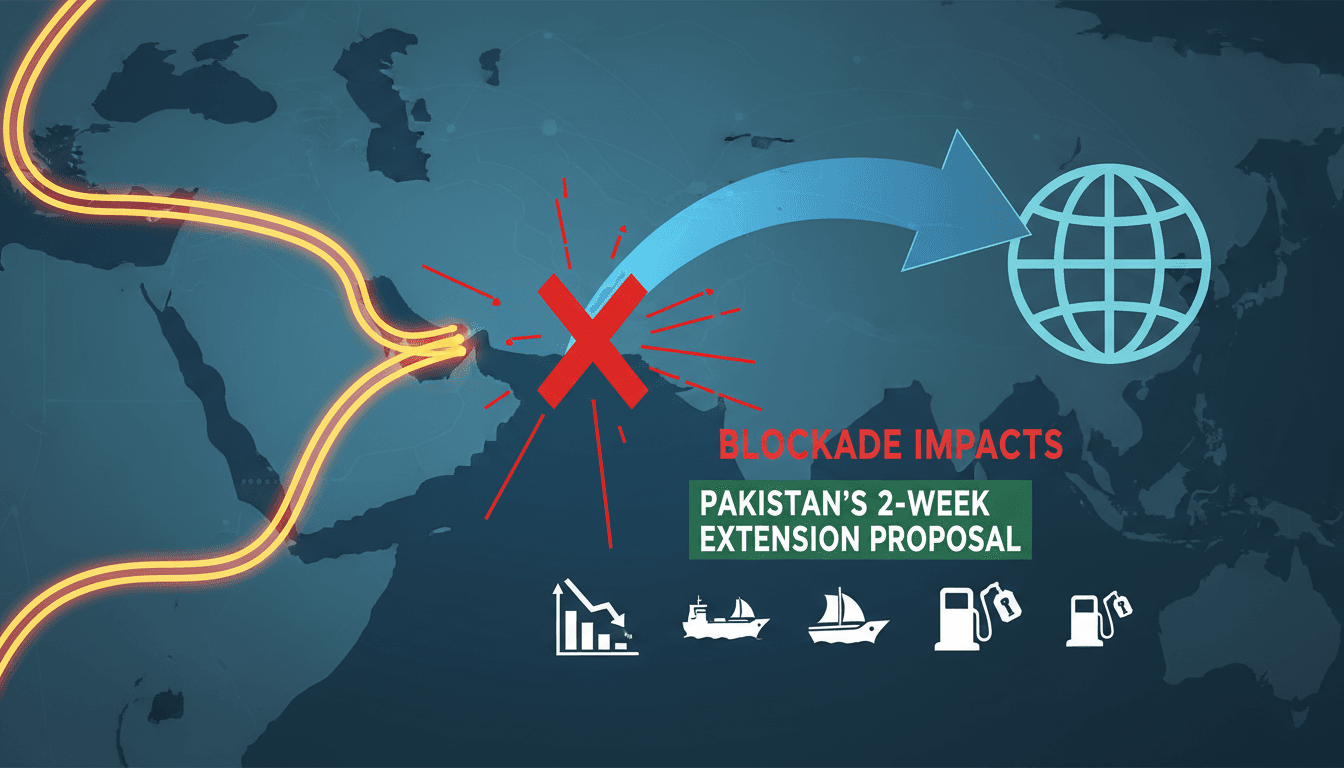
The proposal from Pakistan comes at a critical juncture in the U.S.-Iran conflict, which has seen a significant escalation since late February 2026. Following U.S. and Israeli airstrikes on Iranian targets, Iran retaliated by blockading the Strait of Hormuz, a vital passage for global oil transport. This blockade has disrupted approximately 20% of the world's oil supply, leading to immediate repercussions in energy markets and broader economic implications.
President Trump’s ultimatum to Iran included a strict deadline for reopening the strait, coupled with threats of severe military action. His statement that "a whole civilization will die tonight" underscores the high stakes involved. In response, Pakistan's Prime Minister Shehbaz Sharif's proposal for a two-week extension serves multiple purposes: it aims to de-escalate tensions, facilitate diplomatic negotiations, and potentially avert a military confrontation that could have catastrophic consequences for the region and the global economy.
The market's reaction to this diplomatic overture has been mixed but generally optimistic. Brent crude oil prices fell by 0.5% to $109.27 per barrel, reflecting hopes for a resolution, while U.S. stock indices saw slight gains. This indicates that investors are cautiously optimistic about the potential for de-escalation, even as the situation remains volatile.
The implications of this proposal extend beyond immediate market reactions. If Iran agrees to reopen the Strait of Hormuz, it could stabilize oil prices and restore confidence in global supply chains, particularly for countries heavily reliant on oil imports. Conversely, failure to reach an agreement could lead to further military escalation, exacerbating supply disruptions and driving prices higher.
Pakistan's mediation role highlights its strategic importance in regional geopolitics, as it seeks to balance relations with both the U.S. and Iran. This situation illustrates the complex interplay of diplomacy, military strategy, and economic interests in a highly volatile region.
Who feels it first (and how)
- Energy sector professionals: Fluctuations in oil prices directly impact their operations and profitability.
- Global traders and shipping companies: Changes in shipping routes and oil supply affect logistics and costs.
- Consumers in oil-dependent economies: Rising fuel prices could lead to increased costs of living and inflation.
What to watch next
- Iran's response to the extension proposal: How Iran reacts could set the tone for future negotiations and impact oil supply.
- U.S. stock market trends: Continued fluctuations in response to geopolitical developments will indicate investor sentiment and economic stability.
- Global oil prices: Monitoring Brent crude prices will provide insight into market reactions to any changes in the Strait of Hormuz situation.
The U.S.-Iran conflict has escalated, impacting global oil supplies.
Market volatility will continue as stakeholders react to diplomatic developments.
The long-term effects of Pakistan's mediation on U.S.-Iran relations and regional stability.
Frequently Asked Questions
- Why it matters?
- The ongoing U.S.-Iran conflict directly impacts global oil supply chains, affecting prices and market stability.
- What happened (in 30 seconds)?
- Pakistan's Prime Minister Shehbaz Sharif proposed a two-week extension to U.S. President Donald Trump's deadline for Iran to reopen the Strait of Hormuz. The request emphasizes a ceasefire and goodwill gesture from Iran amid escalating tensions and military actions. Market reactions included a slight drop in Brent crude prices and a rise in U.S. stocks, reflecting cautious optimism for de-escalation.
- What's really happening?
- The proposal from Pakistan comes at a critical juncture in the U.S.-Iran conflict, which has seen a significant escalation since late February 2026. Following U.S. and Israeli airstrikes on Iranian targets, Iran retaliated by blockading the Strait of Hormuz, a vital passage for global oil transport. This blockade has disrupted approximately 20% of the world's oil supply, leading to immediate repercussions in energy markets and broader economic implications. President Trump’s ultimatum to Iran i
- Who feels it first (and how)?
- Energy sector professionals: Fluctuations in oil prices directly impact their operations and profitability. Global traders and shipping companies: Changes in shipping routes and oil supply affect logistics and costs. Consumers in oil-dependent economies: Rising fuel prices could lead to increased costs of living and inflation.
- What to watch next?
- Iran's response to the extension proposal: How Iran reacts could set the tone for future negotiations and impact oil supply. U.S. stock market trends: Continued fluctuations in response to geopolitical developments will indicate investor sentiment and economic stability. Global oil prices: Monitoring Brent crude prices will provide insight into market reactions to any changes in the Strait of Hormuz situation.
Editor-curated FT homepage stories spanning markets, business, world, and opinion.
"The Financial Times is a globally respected business publication with a centrist/center-left tone and strong markets focus."
— A47 Editor
Donald Trump declares two-week ‘ceasefire’ subject to Iran opening Strait of Hormuz
President Donald Trump has declared a two-week ceasefire contingent upon Iran reopening the Strait of Hormuz, following a claimed receipt of a '10 point proposal' from Iran amid escalating military threats. This ultimatum comes after Trump warned of ...
Oil, metals, and agriculture: supply/demand headlines, OPEC chatter, inventories, and price action.
"Solid tape for energy and metals traders tracking macro and micro catalysts."
— A47 Editor
Brent extends losses, WTI turns red as Pakistan asks for Iran deadline extension
Brent crude prices have continued to decline, while West Texas Intermediate (WTI) has also turned negative as Pakistan seeks an extension on the deadline for negotiations with Iran. This development comes amid rising tensions in the region, which hav...