
Civil Society Coalition Urges Meta to Halt Facial Recognition Plans for Smart Glasses
Here's what it means for you.
As privacy concerns escalate, your personal data security may be at risk with emerging technologies.
Why it matters
The integration of facial recognition in consumer products raises significant implications for privacy rights and civil liberties.
What happened (in 30 seconds)
- On April 13, 2026, over 75 civil society organizations sent an open letter to Meta CEO Mark Zuckerberg, urging the company to abandon its facial recognition feature for smart glasses.
- The coalition, which includes prominent groups like the ACLU and EPIC, argues that the 'Name Tag' feature could endanger vulnerable populations by enabling covert identification.
- Meta responded, stating that while competitors offer similar technologies, they would approach any rollout thoughtfully, with no immediate plans to implement the feature.
The context you actually need
- Meta's smart glasses, developed with EssilorLuxottica, have sold over 7 million units as of 2025, indicating a strong market presence.
- The 'Name Tag' feature, designed to identify individuals through facial recognition, was revealed in a leaked internal memo, raising alarms about privacy violations.
- Meta's history of biometric privacy issues, including a $5 billion FTC fine and settlements exceeding $2 billion, adds to the skepticism surrounding their new technology.
What's really happening
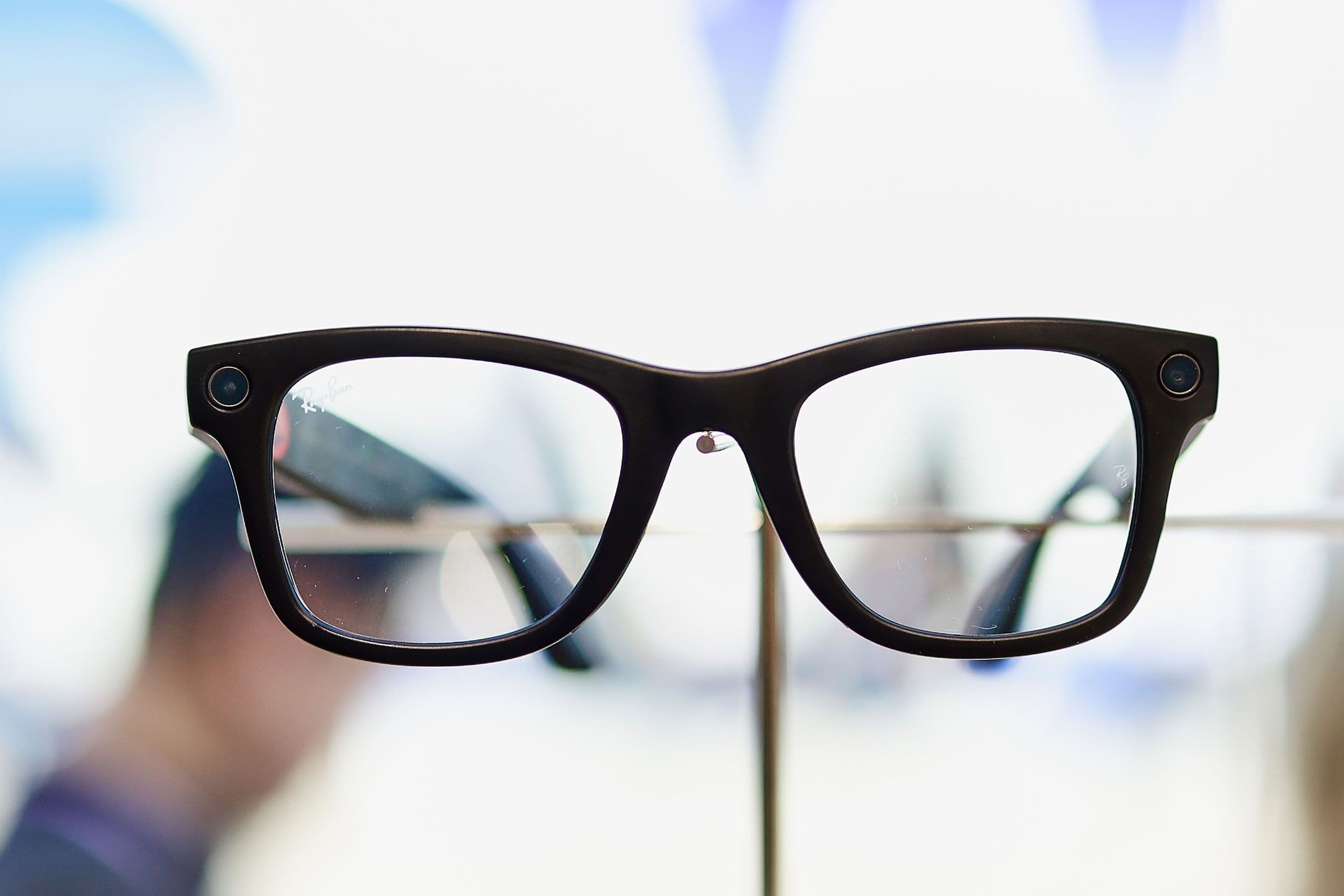
The controversy surrounding Meta's proposed facial recognition feature in its Ray-Ban and Oakley smart glasses stems from a complex interplay of technological advancement, privacy rights, and public sentiment. The 'Name Tag' feature, which would allow users to identify individuals in public spaces through facial recognition, has been met with fierce opposition from civil liberties organizations. These groups argue that such technology could empower stalkers, abusers, and authorities to infringe on individual privacy rights, particularly for marginalized communities.
Meta's decision to explore this feature comes at a time when the company is under scrutiny for its past biometric privacy violations. The leaked internal memo from May 2025 outlined plans for the 'Name Tag' feature, coinciding with a politically charged environment that Meta hoped would minimize backlash. This strategy reflects a broader trend in the tech industry where companies are increasingly prioritizing innovation over ethical considerations, often leading to public outcry.
The coalition's open letter to Meta highlights a growing concern among advocacy groups about the implications of facial recognition technology. With over 75 organizations involved, including the ACLU and EPIC, the message is clear: the risks associated with such technology far outweigh its benefits. The potential for misuse is significant, especially given Meta's track record of privacy violations, which includes the deletion of biometric templates for over 1 billion users and substantial financial penalties.
As social media amplifies these privacy fears, the conversation around facial recognition technology is shifting. Public sentiment is increasingly leaning towards skepticism and caution, particularly as more people become aware of the potential for surveillance and abuse. Meta's spokesperson acknowledged the concerns but pointed out that competitors are already offering similar products, suggesting that the market pressure to innovate is intense.
The implications of this situation extend beyond the U.S. borders, as the technology could influence global surveillance practices. While no verified impacts specific to Dubai residents have been identified, the potential for widespread surveillance raises alarms about privacy rights on a global scale. As Meta navigates this complex landscape, the balance between technological advancement and ethical responsibility remains precarious.
Who feels it first (and how)
- Civil liberties organizations: Increased advocacy and mobilization against privacy violations.
- Consumers: Heightened awareness and concern regarding personal data security and privacy.
- Tech industry competitors: Pressure to innovate responsibly while addressing ethical implications.
- Vulnerable populations: Potential risks of increased surveillance and identification in public spaces.
What to watch next
- Regulatory responses: Monitor for potential government actions or regulations regarding facial recognition technology and privacy rights.
- Public sentiment shifts: Watch for changes in consumer attitudes towards privacy and technology, especially in light of advocacy efforts.
- Meta's product strategy: Keep an eye on Meta's decisions regarding the rollout of new features and how they address privacy concerns.
Over 75 organizations oppose the facial recognition feature due to privacy concerns.
Increased scrutiny and potential regulatory actions against facial recognition technologies in the U.S.
The long-term impact of public sentiment on Meta's product development and market strategy.
Frequently Asked Questions
- Why it matters?
- The integration of facial recognition in consumer products raises significant implications for privacy rights and civil liberties.
- What happened (in 30 seconds)?
- On April 13, 2026, over 75 civil society organizations sent an open letter to Meta CEO Mark Zuckerberg, urging the company to abandon its facial recognition feature for smart glasses. The coalition, which includes prominent groups like the ACLU and EPIC, argues that the 'Name Tag' feature could endanger vulnerable populations by enabling covert identification. Meta responded, stating that while competitors offer similar technologies, they would approach any rollout thoughtfully, with no imme
- What's really happening?
- The controversy surrounding Meta's proposed facial recognition feature in its Ray-Ban and Oakley smart glasses stems from a complex interplay of technological advancement, privacy rights, and public sentiment. The 'Name Tag' feature, which would allow users to identify individuals in public spaces through facial recognition, has been met with fierce opposition from civil liberties organizations. These groups argue that such technology could empower stalkers, abusers, and authorities to infringe
- Who feels it first (and how)?
- Civil liberties organizations: Increased advocacy and mobilization against privacy violations. Consumers: Heightened awareness and concern regarding personal data security and privacy. Tech industry competitors: Pressure to innovate responsibly while addressing ethical implications. Vulnerable populations: Potential risks of increased surveillance and identification in public spaces.
- What to watch next?
- Regulatory responses: Monitor for potential government actions or regulations regarding facial recognition technology and privacy rights. Public sentiment shifts: Watch for changes in consumer attitudes towards privacy and technology, especially in light of advocacy efforts. Meta's product strategy: Keep an eye on Meta's decisions regarding the rollout of new features and how they address privacy concerns.
Consumer tech news, reviews, and buying guides for gadgets and electronics.
"TechRadar is known for comprehensive buying advice, hardware reviews, and consumer tech news targeted at mainstream audiences."
— A47 Editor
Your Meta Ray-Ban smart glasses don’t have facial recognition yet, and over 70 privacy advocacy organizations want it to stay that way
Privacy advocates have called on Meta to abandon its proposed Name Tag feature for the Ray-Ban smart glasses, which would enable facial recognition technology. Over 70 privacy advocacy organizations have expressed concerns about the potential risks a...
Future-focused tech headlines including AI breakthroughs.
"Consumer-friendly future-tech site with frequent AI coverage."
— A47 Editor
Huge Group of Experts Warns Meta That Its Pervert Glasses Will Enable Terrible Crimes
A coalition of over 70 organizations has issued a warning to Meta regarding its new AI smart glasses, expressing concerns that the facial recognition technology embedded in the glasses could facilitate crimes against vulnerable populations, including...
Consumer technology news with AI coverage.
"Gadget and tech site reporting on AI in products."
— A47 Editor
Meta warned by dozens of organizations that facial recognition on its smart glasses would empower predators
Dozens of civil rights organizations have expressed serious concerns to Meta CEO Mark Zuckerberg regarding the company's plans to integrate facial recognition technology into its smart glasses. Over 70 groups, including the ACLU and Fight for the Fut...
Covers consumer technology, electronics, gadgets, and product reviews.
"Engadget is a trusted source for gadget reviews and consumer tech news, known for its hands-on analysis and industry coverage."
— A47 Editor
Meta warned by dozens of organizations that facial recognition on its smart glasses would empower predators
Dozens of civil rights organizations have expressed serious concerns to Meta CEO Mark Zuckerberg regarding the company's plans to integrate facial recognition technology into its smart glasses. Over 70 groups, including the ACLU and Fight for the Fut...
Latest WIRED coverage of AI.
"WIRED covers AI at the intersection of tech, culture, and policy."
— A47 Editor
Meta Is Warned That Facial Recognition Glasses Will Arm Sexual Predators
More than 70 organizations, including the ACLU and Fight for the Future, have raised alarms regarding Meta's AI smart glasses, warning that their facial recognition capabilities could empower sexual predators and endanger vulnerable groups such as ab...
Emerging technologies, digital transformation, IT, and cultural impact of tech.
"WIRED covers the intersection of technology, culture, and politics with a progressive, forward-looking editorial stance."
— A47 Editor
Meta Is Warned That Facial Recognition Glasses Will Arm Sexual Predators
More than 70 organizations, including the ACLU and Fight for the Future, have raised alarms regarding Meta's AI smart glasses, warning that their facial recognition capabilities could empower sexual predators and endanger vulnerable groups such as ab...