
Trump Declares Imminent End to Iran War Sparking Global Market Rally
Here's what it means for you.
If you’re invested in global markets or energy sectors, this announcement could influence your portfolio and operational costs.
Why it matters
The U.S.-Iran conflict has significant implications for global energy prices and market stability, affecting economies worldwide.
What happened (in 30 seconds)
- Trump declared the U.S.-Iran war is "very close to over," signaling a potential end to hostilities.
- Global stock markets rallied, with the S&P 500 gaining 0.80% as investor optimism surged.
- Oil prices stabilized after a period of volatility, alleviating concerns over supply disruptions.
The context you actually need
- The U.S.-Iran war began on February 28, 2026, following U.S. and Israeli airstrikes aimed at Iranian military targets.
- Iran's blockade of the Strait of Hormuz led to a 33% increase in oil prices, significantly impacting global markets.
- A fragile ceasefire is currently in place, with peace talks stalled but hints of future discussions emerging.
What's really happening
On April 15, 2026, President Trump’s statements during interviews with Fox Business and ABC News marked a pivotal moment in the ongoing U.S.-Iran war. By declaring the conflict "very close to over," he not only signaled a potential withdrawal of U.S. forces but also aimed to reassure markets that the situation was stabilizing. This announcement came amid a fragile two-week ceasefire, which had been established after six weeks of intense military engagement. The ceasefire was a response to escalating economic pressures and the need for diplomatic solutions, even as initial peace talks had yielded no breakthroughs.
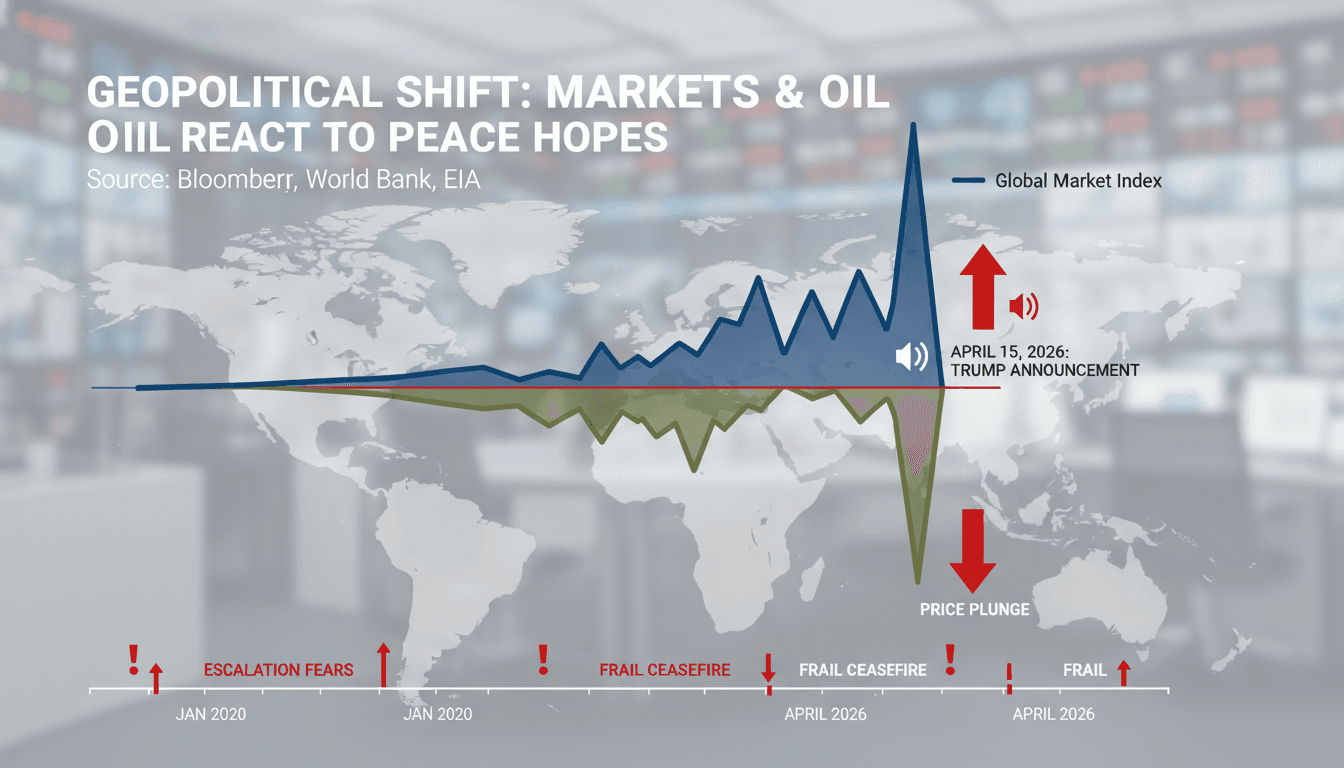
The immediate market reaction was swift and pronounced. The S&P 500 rose by 0.80%, nearing its record high from late January, effectively erasing losses incurred during the war. Global indices mirrored this optimism, while oil prices, which had surged due to fears of supply disruptions, began to stabilize. This rally reflects a broader investor sentiment that the geopolitical landscape may be shifting towards a more favorable outlook, reducing the risk premium that had been built into energy prices.
However, the situation remains complex. While Trump's comments have alleviated some immediate fears, the underlying tensions in the region persist. The Hormuz Strait, a critical chokepoint for global oil shipments, remains a flashpoint, and Iran's government has yet to make any formal concessions. Analysts caution that while the market may be reacting positively, the risks associated with unresolved issues in the region are still significant. Gulf states, including the UAE, are advocating for international resolutions to ensure the Strait remains open, highlighting the geopolitical stakes involved.
In Dubai, the economic implications are particularly pronounced. Residents have felt the strain of the war through disruptions in aviation, logistics, and tourism, exacerbated by incidents such as a Kuwaiti oil tanker strike near Dubai's port. The potential for de-escalation, as suggested by Trump’s remarks, offers cautious relief to the UAE's status as a safe haven for investment and tourism.
Who feels it first (and how)
- Investors in global markets: They will see immediate impacts on stock valuations and investment strategies.
- Energy sector stakeholders: Companies involved in oil production and distribution will experience fluctuations in operational costs and pricing strategies.
- Residents of Dubai and the UAE: They face economic pressures from tourism and logistics disruptions, which could ease with improved regional stability.
What to watch next
- Ceasefire developments: Continued adherence to the ceasefire and any progress in peace talks will be crucial for market stability.
- Oil price fluctuations: Watch for changes in oil prices as geopolitical tensions evolve, impacting global economic conditions.
- Investor sentiment indicators: Monitor stock market trends and investor confidence metrics to gauge the broader economic outlook.
The U.S.-Iran war has led to significant increases in oil prices and market volatility.
Continued market optimism if peace talks progress and the ceasefire holds.
The long-term implications of the ceasefire on regional stability and Iran's future actions.
Frequently Asked Questions
- Why it matters?
- The U.S.-Iran conflict has significant implications for global energy prices and market stability, affecting economies worldwide.
- What happened (in 30 seconds)?
- Trump declared the U.S.-Iran war is "very close to over," signaling a potential end to hostilities. Global stock markets rallied, with the S&P 500 gaining 0.80% as investor optimism surged. Oil prices stabilized after a period of volatility, alleviating concerns over supply disruptions.
- What's really happening?
- On April 15, 2026, President Trump’s statements during interviews with Fox Business and ABC News marked a pivotal moment in the ongoing U.S.-Iran war. By declaring the conflict "very close to over," he not only signaled a potential withdrawal of U.S. forces but also aimed to reassure markets that the situation was stabilizing. This announcement came amid a fragile two-week ceasefire, which had been established after six weeks of intense military engagement. The ceasefire was a response to escala
- Who feels it first (and how)?
- Investors in global markets: They will see immediate impacts on stock valuations and investment strategies. Energy sector stakeholders: Companies involved in oil production and distribution will experience fluctuations in operational costs and pricing strategies. Residents of Dubai and the UAE: They face economic pressures from tourism and logistics disruptions, which could ease with improved regional stability.
- What to watch next?
- Ceasefire developments: Continued adherence to the ceasefire and any progress in peace talks will be crucial for market stability. Oil price fluctuations: Watch for changes in oil prices as geopolitical tensions evolve, impacting global economic conditions. Investor sentiment indicators: Monitor stock market trends and investor confidence metrics to gauge the broader economic outlook.
Global markets, investing, and macroeconomics from a premier financial newsroom.
"Bloomberg is respected for in-depth financial reporting and data-driven analysis."
— A47 Editor
Trump Says End to Iran War in Sight, Spurring Market Rally
US President Donald Trump has signaled a potential winding down of the war with Iran, which has led to increased market optimism and a rally in stock prices. This announcement comes amid ongoing discussions about peace negotiations and a ceasefire in...
Markets desk coverage, trading insights, and investor updates.
"WSJ’s markets reporting provides in-depth analysis and context for investors."
— A47 Editor
How Trump’s Iran War Reversals Have Whipsawed Markets
Recent reversals in U.S. policy towards Iran, particularly President Trump's announcement of a blockade on the Strait of Hormuz, have led to significant fluctuations in market prices, particularly affecting oil and stock investments.
Macro commentary, policy analysis, growth/inflation themes, and global outlooks.
"Contextual macro coverage that complements day-to-day market headlines."
— A47 Editor
Trading Day: US stocks gain, dollar dips on hopes for Iran war negotiations
US stocks gained on the trading day as optimism grew regarding potential negotiations to resolve the ongoing conflict with Iran, leading to a dip in the dollar's value. This positive sentiment in the markets reflects hopes for a diplomatic solution a...