
Pakistan Hosts US-Iran Peace Negotiations Amid Ongoing Conflict
Here's what it means for you.
The outcome of these negotiations could significantly impact global oil prices and economic stability.
Why it matters
The negotiations could reshape geopolitical alliances and influence energy markets worldwide.
What happened (in 30 seconds)
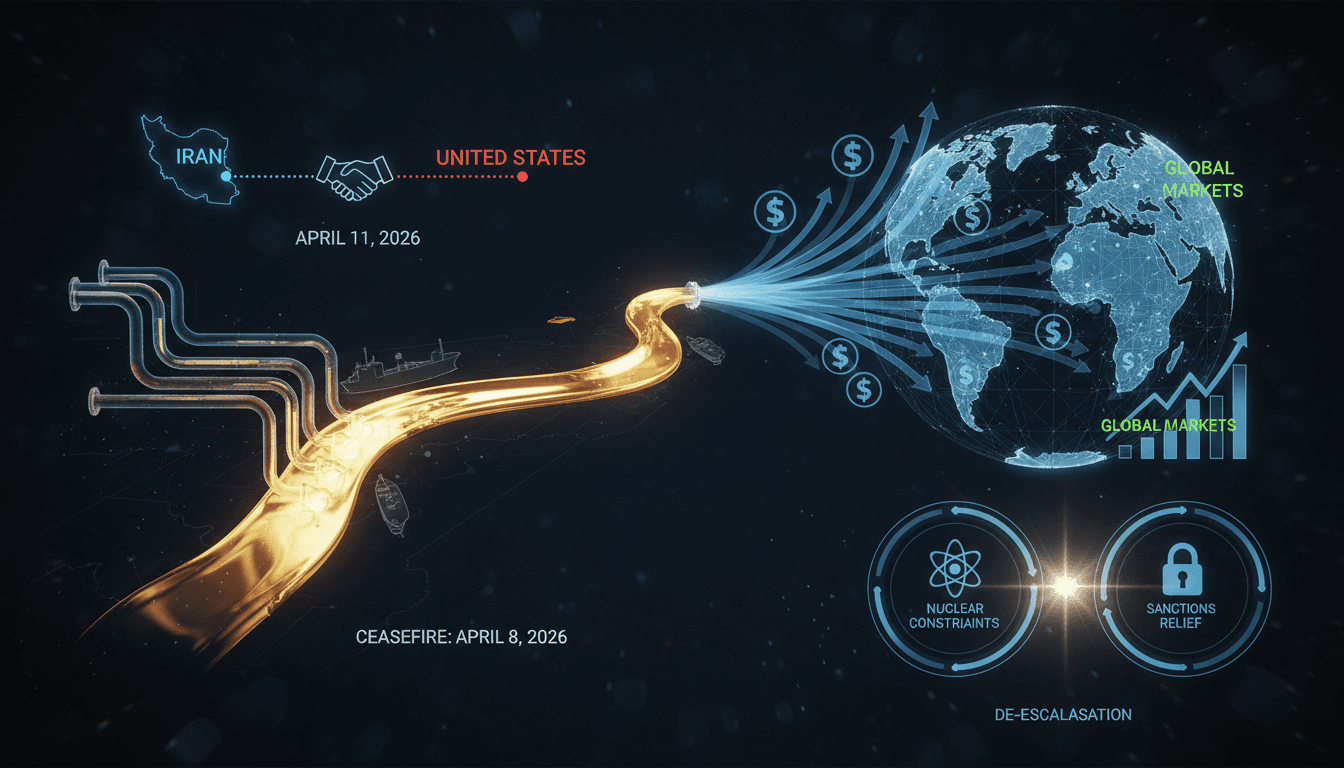
- Pakistan has finalized preparations for historic direct peace negotiations between the United States and Iran, set to begin on April 11, 2026.
- A two-week ceasefire was agreed upon on April 8, 2026, amid the ongoing 2026 Iran war, allowing for these talks to take place.
- Key delegations from both nations are arriving in Islamabad, with Pakistani leaders facilitating the discussions on critical issues like nuclear constraints and sanctions relief.
The context you actually need
- The 2026 Iran war began on February 28, following US-Israeli airstrikes that targeted Iranian leadership and infrastructure, leading to Iranian missile retaliation.
- Pakistan's unique position as a US Major Non-NATO Ally and its strategic border with Iran has enabled it to mediate between the two nations effectively.
- The Strait of Hormuz is crucial, with 20% of global oil and natural gas transiting through it during peacetime, making its reopening a key point of negotiation.
What's really happening
The backdrop of these negotiations is a complex web of geopolitical tensions, economic stakes, and the urgent need for de-escalation in the Middle East. The 2026 Iran war erupted following coordinated US-Israeli airstrikes that eliminated Iran's Supreme Leader Ali Khamenei, leading to a cascade of retaliatory actions from Iran, including missile strikes and the closure of the Strait of Hormuz. This closure has had immediate implications for global oil supplies, as the Strait is a vital conduit for approximately 20% of the world's oil and natural gas.
In this context, Pakistan has stepped in as a mediator, leveraging its geographic proximity and historical ties to both nations. The Pakistani government, under Prime Minister Shehbaz Sharif, has conducted shuttle diplomacy, delivering a US 15-point proposal to Iran and facilitating a counter-proposal from the Iranian side. The culmination of these efforts was the April 8 agreement for a two-week ceasefire, which has allowed for the current negotiations to take place in Islamabad.
The stakes are high for both the US and Iran. For the US, the negotiations represent an opportunity to stabilize the region, potentially easing the burden of military engagement and addressing domestic pressures related to energy prices. For Iran, the talks present a chance to lift crippling sanctions and restore its economic viability. However, skepticism remains, particularly from Iranian officials, who have expressed concerns about ongoing Israeli military actions in Lebanon and the potential for violations of the ceasefire.
The implications of these negotiations extend beyond the immediate parties involved. Global markets have already reacted, with Dubai equities experiencing significant gains following the ceasefire announcement and oil prices dropping below $100 per barrel. This reduction in fuel costs could ease inflationary pressures for consumers and businesses alike, highlighting the interconnectedness of geopolitical events and local economies.
Who feels it first (and how)
- Energy sector professionals: Fluctuations in oil prices will directly impact their operations and profitability.
- Consumers in oil-dependent regions: Changes in fuel costs will affect daily expenses and overall economic conditions.
- Investors in global markets: Stock market movements will influence investment strategies and portfolio valuations.
What to watch next
- Compliance with the ceasefire: Monitoring any violations will be crucial to gauge the negotiations' stability and progress.
- Market reactions: Observing oil price fluctuations and stock market movements will provide insights into investor sentiment regarding the negotiations.
- Statements from key participants: Official communications from US and Iranian delegations will signal the negotiations' direction and potential outcomes.
The negotiations are set to commence on April 11, 2026, in Islamabad.
Continued volatility in oil prices and regional tensions as negotiations unfold.
The long-term effectiveness of the ceasefire and the likelihood of reaching a comprehensive agreement.
Frequently Asked Questions
- Why it matters?
- The negotiations could reshape geopolitical alliances and influence energy markets worldwide.
- What happened (in 30 seconds)?
- Pakistan has finalized preparations for historic direct peace negotiations between the United States and Iran, set to begin on April 11, 2026. A two-week ceasefire was agreed upon on April 8, 2026, amid the ongoing 2026 Iran war, allowing for these talks to take place. Key delegations from both nations are arriving in Islamabad, with Pakistani leaders facilitating the discussions on critical issues like nuclear constraints and sanctions relief.
- What's really happening?
- The backdrop of these negotiations is a complex web of geopolitical tensions, economic stakes, and the urgent need for de-escalation in the Middle East. The 2026 Iran war erupted following coordinated US-Israeli airstrikes that eliminated Iran's Supreme Leader Ali Khamenei, leading to a cascade of retaliatory actions from Iran, including missile strikes and the closure of the Strait of Hormuz. This closure has had immediate implications for global oil supplies, as the Strait is a vital conduit f
- Who feels it first (and how)?
- Energy sector professionals: Fluctuations in oil prices will directly impact their operations and profitability. Consumers in oil-dependent regions: Changes in fuel costs will affect daily expenses and overall economic conditions. Investors in global markets: Stock market movements will influence investment strategies and portfolio valuations.
- What to watch next?
- Compliance with the ceasefire: Monitoring any violations will be crucial to gauge the negotiations' stability and progress. Market reactions: Observing oil price fluctuations and stock market movements will provide insights into investor sentiment regarding the negotiations. Statements from key participants: Official communications from US and Iranian delegations will signal the negotiations' direction and potential outcomes.
Arabic-language UAE newspaper coverage focused on domestic affairs, public institutions, business, society, and regional developments.
"Al Khaleej coverage generally reflects a mainstream UAE editorial lens with strong attention to public affairs, institutions, and regional developments."
— A47 Editor
باكستان تستكمل استعداداتها لمفاوضات تاريخية بين أمريكا وإيران
Pakistan's capital, Islamabad, has intensified preparations for direct negotiations between the United States and Iran, set to begin on Saturday. This round of talks follows a fragile two-week ceasefire brokered by Pakistan to end the armed conflict ...
English-language news from Qatar covering domestic and regional affairs.
"Gulf Times reflects Qatari perspectives on regional developments."
— A47 Editor
Islamabad on holiday ahead of US-Iran talks
Pakistan has declared a two-day holiday in Islamabad ahead of high-level talks between the United States and Iran, scheduled for Friday. This decision was made by local authorities to ensure security during the diplomatic engagement, which follows a ...
Pan-Arab news coverage spanning politics, business, sports, and regional affairs.
"Asharq Al-Awsat reflects a broad Arab editorial perspective with strong attention to regional geopolitics."
— A47 Editor
محادثات باكستان على خيط هدنة هش... وخلافات تتصاعد
Tensions are rising as cautious anticipation surrounds the upcoming U.S.-Iran talks in Islamabad, scheduled for Saturday, amidst growing signs of fragility and the potential for early collapse.
Pan-Arab news coverage spanning politics, business, sports, and regional affairs.
"Asharq Al-Awsat reflects a broad Arab editorial perspective with strong attention to regional geopolitics."
— A47 Editor
«إسلام آباد» تحت اختبار الوساطة: غارات لبنان تُحاصر محادثات واشنطن وطهران
Islamabad is preparing to host U.S.-Iranian talks aimed at ending the ongoing conflict, while a temporary ceasefire is jeopardized by Israeli airstrikes in Lebanon. This situation highlights the fragile nature of diplomatic efforts in the region amid...
Arabic-language coverage of political affairs and current events.
"Okaz political coverage typically follows mainstream Saudi framing on national and regional affairs."
— A47 Editor
قبيل وصول وفدي التفاوض الأمريكي والإيراني.. باكستان تفرض إجراءات أمنية مشددة
Pakistani authorities have implemented strict security measures in Islamabad ahead of upcoming negotiations between the United States and Iran, deploying hundreds of police and paramilitary forces to ensure the city's safety. Interior Minister Mohsin...