
U.S. President Trump Pledges Assistance for Strait of Hormuz Traffic Amid Iran Ceasefire
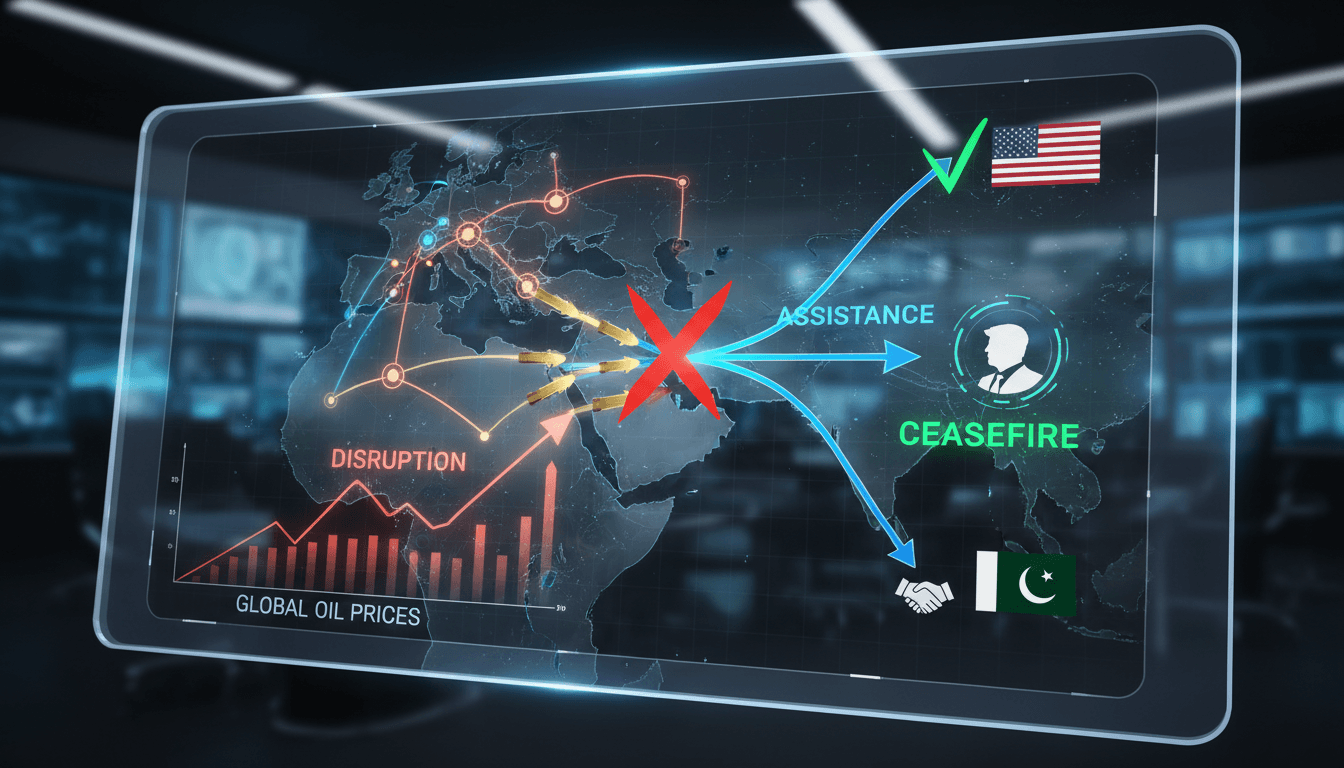
Here's what it means for you.
As global oil supply dynamics shift, your energy costs and availability may fluctuate significantly.
Why it matters
The Strait of Hormuz is a critical chokepoint for global oil trade, and disruptions here can lead to widespread economic consequences.
What happened (in 30 seconds)
- On April 8, 2026, U.S. President Donald Trump announced logistical support to alleviate maritime traffic issues in the Strait of Hormuz after a ceasefire with Iran.
- The ceasefire, brokered by Pakistan, came just before a deadline set by Trump for Iran to reopen the waterway, which had seen a 95% reduction in ship transits due to Iranian restrictions.
- Oil prices responded, falling below $100 per barrel, while stock markets rallied amid relief over the de-escalation.
The context you actually need
- The Strait of Hormuz handles approximately 20% of global seaborne oil trade, making its stability crucial for energy markets worldwide.
- The 2026 crisis escalated from a U.S.-Israeli-Iranian conflict that began with targeted airstrikes, leading to Iranian military actions against commercial vessels.
- UAE's response includes activating alternative supply routes and monitoring prices to mitigate inflationary pressures on food and energy resulting from shipping delays.
What's really happening
The U.S. assistance in the Strait of Hormuz comes at a critical juncture in global maritime trade, particularly for oil. The recent crisis, which saw Iranian forces attacking commercial shipping and imposing severe restrictions, led to a drastic 95% drop in daily ship transits—from an average of 130 vessels to just 6. This has not only disrupted oil supply chains but also sent shockwaves through global markets, affecting everything from fuel prices to stock valuations.
The U.S. pledge of support aims to restore normalcy to this vital waterway, which is essential for the transportation of oil from the Middle East to global markets. By alleviating the traffic buildup, the U.S. is signaling its commitment to maintaining open shipping lanes, which is crucial for stabilizing oil prices and ensuring energy security for its allies, particularly in Europe and Asia.
The ceasefire agreement, brokered by Pakistan, reflects a complex interplay of diplomatic negotiations amid military tensions. Iran's acceptance of the ceasefire can be seen as a tactical retreat, allowing it to regroup while maintaining a semblance of control over the narrative. For the U.S., this is framed as a victory, enabling it to position itself as a peace broker in the region, which could enhance its geopolitical standing.
However, the implications extend beyond immediate military and diplomatic concerns. The ongoing instability in the region has led to increased fuel and transport costs, particularly in the UAE, where inflationary pressures are mounting. The UAE government is already activating alternative supply routes via pipelines to mitigate the impact of shipping delays at the Jebel Ali port, which is experiencing significant congestion due to the crisis.
As the situation evolves, the U.S. and its allies will need to monitor Iran's next moves closely. The potential for renewed hostilities remains, particularly if Iran perceives the U.S. support as a direct threat to its interests. The delicate balance of power in the region will continue to influence global oil markets and, by extension, your energy costs.
Who feels it first (and how)
- Oil traders: Immediate fluctuations in oil prices will affect trading strategies and profitability.
- Shipping companies: Increased operational costs due to delays and rerouting will impact margins.
- Consumers: Rising fuel prices will directly affect transportation costs, leading to higher prices for goods and services.
- UAE residents: Inflationary pressures on food and energy will impact household budgets and spending power.
What to watch next
- Iran's military actions: Continued aggression or restraint will influence global oil supply and pricing.
- U.S. diplomatic efforts: The success of ongoing negotiations in Islamabad will determine the stability of the Strait of Hormuz.
- Market reactions: Watch for shifts in oil prices and stock market responses as news develops, indicating broader economic impacts.
The Strait of Hormuz is critical for global oil trade, with 20% of seaborne oil passing through.
Oil prices will remain volatile as geopolitical tensions fluctuate.
The long-term effects of the ceasefire on U.S.-Iran relations and regional stability.
Frequently Asked Questions
- Why it matters?
- The Strait of Hormuz is a critical chokepoint for global oil trade, and disruptions here can lead to widespread economic consequences.
- What happened (in 30 seconds)?
- On April 8, 2026, U.S. President Donald Trump announced logistical support to alleviate maritime traffic issues in the Strait of Hormuz after a ceasefire with Iran. The ceasefire, brokered by Pakistan, came just before a deadline set by Trump for Iran to reopen the waterway, which had seen a 95% reduction in ship transits due to Iranian restrictions. Oil prices responded, falling below $100 per barrel, while stock markets rallied amid relief over the de-escalation.
- What's really happening?
- The U.S. assistance in the Strait of Hormuz comes at a critical juncture in global maritime trade, particularly for oil. The recent crisis, which saw Iranian forces attacking commercial shipping and imposing severe restrictions, led to a drastic 95% drop in daily ship transits—from an average of 130 vessels to just 6. This has not only disrupted oil supply chains but also sent shockwaves through global markets, affecting everything from fuel prices to stock valuations. The U.S. pledge of suppor
- Who feels it first (and how)?
- Oil traders: Immediate fluctuations in oil prices will affect trading strategies and profitability. Shipping companies: Increased operational costs due to delays and rerouting will impact margins. Consumers: Rising fuel prices will directly affect transportation costs, leading to higher prices for goods and services. UAE residents: Inflationary pressures on food and energy will impact household budgets and spending power.
- What to watch next?
- Iran's military actions: Continued aggression or restraint will influence global oil supply and pricing. U.S. diplomatic efforts: The success of ongoing negotiations in Islamabad will determine the stability of the Strait of Hormuz. Market reactions: Watch for shifts in oil prices and stock market responses as news develops, indicating broader economic impacts.
Regional coverage and analysis focused on politics, diplomacy, and business across the Middle East.
"Al-Monitor is known for analytical reporting on Middle East politics and policy developments."
— A47 Editor
Trump says US will help with traffic buildup in Strait of Hormuz
U.S. President Donald Trump announced that the United States will assist with the traffic buildup in the Strait of Hormuz, stating that supplies will be loaded and efforts made to ensure smooth operations in the region. Trump emphasized the potential...
Arabic-language UAE newspaper coverage focused on domestic affairs, public institutions, business, society, and regional developments.
"Al Khaleej coverage generally reflects a mainstream UAE editorial lens with strong attention to public affairs, institutions, and regional developments."
— A47 Editor
ترامب: أمريكا ستساعد في معالجة التكدس الملاحي عبر مضيق هرمز
On Wednesday, U.S. President Donald Trump announced that the United States will assist in addressing the maritime congestion in the Strait of Hormuz. This statement highlights the ongoing concerns regarding shipping traffic in this critical waterway,...
Oil, metals, and agriculture: supply/demand headlines, OPEC chatter, inventories, and price action.
"Solid tape for energy and metals traders tracking macro and micro catalysts."
— A47 Editor
Trump says US will help with traffic buildup in Strait of Hormuz
President Donald Trump announced that the United States will assist in managing the traffic buildup in the Strait of Hormuz, a critical maritime route for global oil shipments. This announcement follows a series of escalating tensions between the U.S...