
UnitedHealth Group Stock Rises 8.5% Following Medicare Advantage Rate Increase Announcement
Here's what it means for you.
If you’re in the healthcare or insurance sectors, this surge signals a potential shift in market dynamics and investment opportunities.
Why it matters
The finalized Medicare Advantage rate increase represents a significant financial boost for insurers, impacting stock valuations and market confidence.
What happened (in 30 seconds)
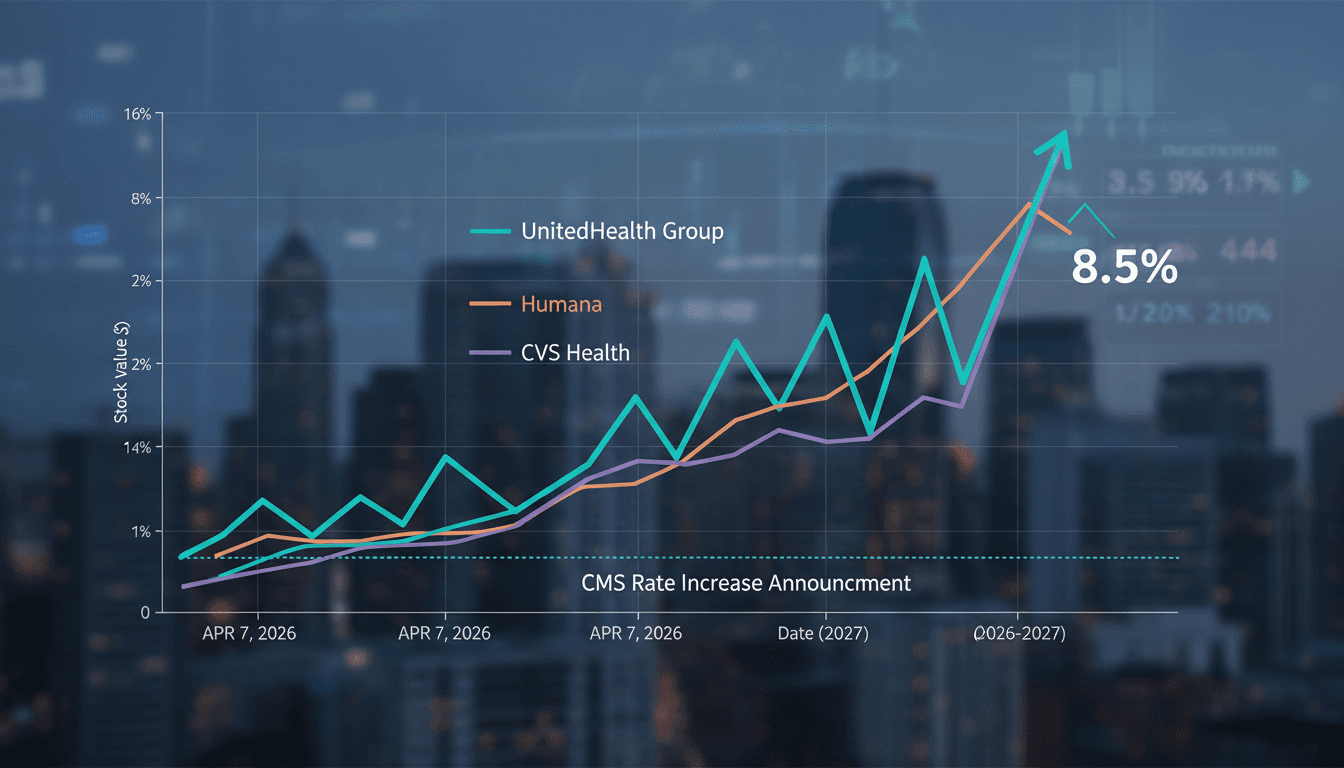
- UnitedHealth Group stock surged 8.5% on April 7, 2026, following a 2.48% Medicare Advantage payment increase announcement by CMS.
- The increase translates to over $13 billion in additional funds for insurers, alleviating previous market pressures.
- Shares of competitors like Humana and CVS Health also rallied, reflecting broader confidence in the healthcare sector.
The context you actually need
- Medicare Advantage plans receive fixed monthly payments from CMS, which are adjusted annually based on various factors, including risk scores.
- In January 2026, CMS proposed a near-flat 0.09% increase, leading to a nearly 20% drop in UnitedHealth's stock amid rising medical costs and regulatory scrutiny.
- The finalized increase not only exceeds earlier proposals but also retains the current risk model, which is crucial for insurers' revenue stability.
What's really happening
The recent surge in UnitedHealth Group's stock can be traced back to the Centers for Medicare & Medicaid Services (CMS) finalizing a 2.48% increase in Medicare Advantage payments for 2027. This announcement, made on April 7, 2026, comes as a relief to insurers who had faced significant uncertainty following a proposed increase of just 0.09% earlier in the year. The stark difference between the two proposals illustrates the volatility and unpredictability of healthcare funding, which directly impacts the financial health of companies like UnitedHealth.
The finalized rate increase translates to over $13 billion in additional payments to Medicare Advantage insurers, a substantial sum that can bolster their financial positions and margins. For UnitedHealth, as the largest provider in this sector, the implications are particularly significant. The stock's jump from $281.41 to over $305 intraday reflects not just a recovery from prior losses but also a renewed investor confidence in the company's ability to generate revenue under the current regulatory framework.
This shift is crucial as it alleviates the pressures that had built up due to rising medical costs and reputational challenges following the tragic death of UnitedHealthcare CEO Brian Thompson in December 2024. The market had reacted negatively to the earlier proposal, which was seen as inadequate in light of the increasing costs of healthcare delivery. The recent announcement, however, signals a more favorable environment for insurers, allowing them to stabilize their operations and potentially invest in growth.
Moreover, the decision to retain the current risk model with only minor adjustments indicates a cautious approach by CMS, avoiding drastic changes that could disrupt the market. This stability is essential for insurers as they navigate the complexities of healthcare funding and patient care costs. The immediate market reaction, with UnitedHealth's stock rising alongside peers like Humana and CVS Health, underscores the interconnectedness of these companies and the broader healthcare sector.
As the healthcare landscape continues to evolve, the implications of this rate increase extend beyond just stock prices. It sets a precedent for future funding decisions and highlights the ongoing negotiations between federal regulators and private insurers. Investors and stakeholders in the healthcare sector will be closely monitoring how these dynamics play out in the coming months.
Who feels it first (and how)
- Healthcare insurers: Increased revenue and stock valuations, leading to potential reinvestment in services.
- Investors: Immediate gains from stock price increases, influencing future investment strategies.
- Patients: Potentially improved services and coverage options as insurers stabilize their finances.
What to watch next
- Future CMS announcements: Any changes in Medicare payment policies could further impact stock valuations and market confidence.
- Healthcare cost trends: Rising medical costs could influence future rate adjustments and insurer profitability.
- Market reactions to regulatory changes: Watch how investors respond to any shifts in healthcare regulations that may affect the Medicare Advantage landscape.
The finalized Medicare Advantage rate increase will provide over $13 billion in additional funding to insurers.
Insurers will use this financial boost to stabilize operations and potentially enhance services.
How future regulatory changes will impact the Medicare Advantage program and related stock valuations.
Frequently Asked Questions
- Why it matters?
- The finalized Medicare Advantage rate increase represents a significant financial boost for insurers, impacting stock valuations and market confidence.
- What happened (in 30 seconds)?
- UnitedHealth Group stock surged 8.5% on April 7, 2026, following a 2.48% Medicare Advantage payment increase announcement by CMS. The increase translates to over $13 billion in additional funds for insurers, alleviating previous market pressures. Shares of competitors like Humana and CVS Health also rallied, reflecting broader confidence in the healthcare sector.
- What's really happening?
- The recent surge in UnitedHealth Group's stock can be traced back to the Centers for Medicare & Medicaid Services (CMS) finalizing a 2.48% increase in Medicare Advantage payments for 2027. This announcement, made on April 7, 2026, comes as a relief to insurers who had faced significant uncertainty following a proposed increase of just 0.09% earlier in the year. The stark difference between the two proposals illustrates the volatility and unpredictability of healthcare funding, which directly imp
- Who feels it first (and how)?
- Healthcare insurers: Increased revenue and stock valuations, leading to potential reinvestment in services. Investors: Immediate gains from stock price increases, influencing future investment strategies. Patients: Potentially improved services and coverage options as insurers stabilize their finances.
- What to watch next?
- Future CMS announcements: Any changes in Medicare payment policies could further impact stock valuations and market confidence. Healthcare cost trends: Rising medical costs could influence future rate adjustments and insurer profitability. Market reactions to regulatory changes: Watch how investors respond to any shifts in healthcare regulations that may affect the Medicare Advantage landscape.
Market-moving headlines impacting equities, bonds, and related risk assets.
"Real-time catalysts and volatility drivers across indices and sectors."
— A47 Editor
Health insurers rise after US lifts 2027 Medicare Advantage payment rates
The U.S. government has announced a 2.48% increase in Medicare Advantage payments to insurers for the year 2027, leading to a notable rise in health insurance stocks. This decision marks a significant shift from previous proposals that suggested main...
Breaking news, politics, business, and entertainment from the U.S. and around the world.
"The New York Post is a tabloid-format newspaper known for its sensationalist headlines and conservative-leaning editorial tone."
— A47 Editor
UnitedHealth stock surges after Medicare Advantage rate boost
UnitedHealth's stock experienced a significant increase, rising from a closing price of $281.41 on Monday to over $305 during intraday trading, following a boost in Medicare Advantage rates.
Market-moving headlines impacting equities, bonds, and related risk assets.
"Real-time catalysts and volatility drivers across indices and sectors."
— A47 Editor
Humana shares surge on 2027 Medicare rate boost; UNH, CVS rally
Humana's shares experienced a significant surge following the announcement of a 2.48% increase in Medicare Advantage payments for 2027, a decision made by the Trump administration that positively impacted major health insurers, including UnitedHealth...