
UN Security Council Delays Vote on Bahrain's Resolution for Strait of Hormuz Navigation Security
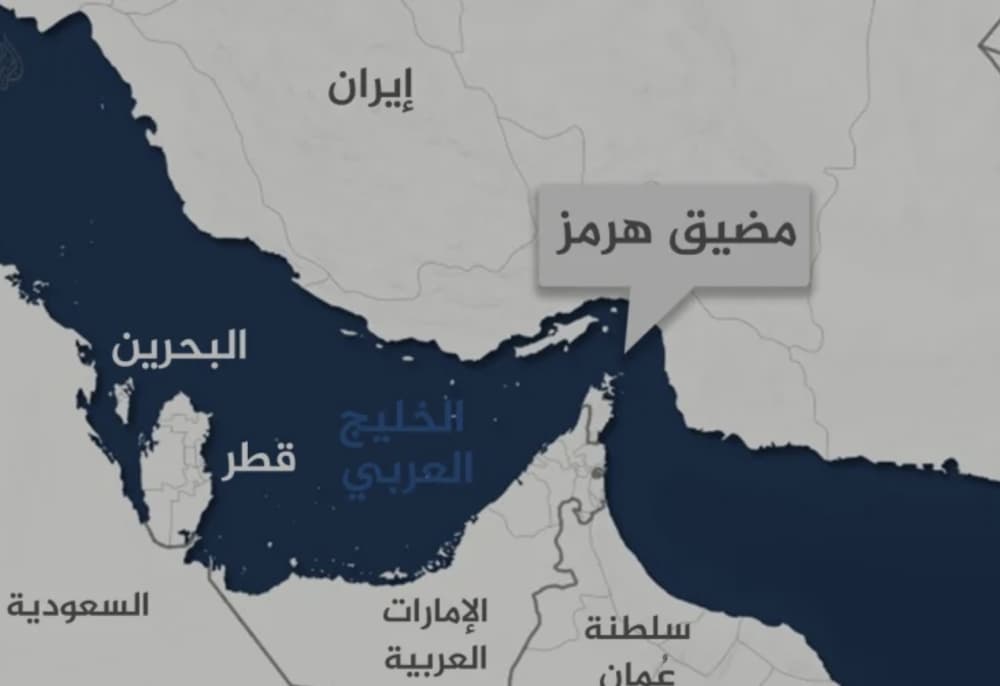
Here's what it means for you.
Increased oil prices and shipping delays could impact your business costs and travel plans.
Why it matters
The Strait of Hormuz is a critical chokepoint for global oil trade, with 20% of the world's oil passing through it.
What happened (in 30 seconds)
- The UN Security Council postponed a vote on a Bahrain-drafted resolution aimed at ensuring navigation freedom in the Strait of Hormuz on April 5, 2026.
- Russia and China vetoed the resolution on April 7, citing concerns over bias and escalation risks.
- Iran's restrictions on maritime traffic have already disrupted approximately 20% of global oil and LNG trade, causing oil prices to surge past $110 per barrel.
The context you actually need
- The Strait of Hormuz crisis escalated following US and Israeli strikes on Iranian targets, prompting Iran to restrict maritime traffic.
- Bahrain's resolution aimed to authorize defensive measures for navigation protection, reflecting regional tensions and security concerns.
- Oil prices have surged due to supply disruptions, impacting global markets and increasing costs for consumers and businesses alike.
What's really happening
The UN Security Council's recent actions regarding the Strait of Hormuz resolution reflect deep geopolitical tensions that have escalated since the onset of military operations in the region. The backdrop of these developments is the ongoing conflict involving Iran, the US, and its allies, which has seen a series of military strikes and retaliatory measures. The US and Israeli operations, dubbed Operation Epic Fury, initiated on February 28, 2026, aimed to neutralize perceived threats from Iran. In response, Iran began restricting maritime traffic from March 4, leading to significant disruptions in global oil and LNG trade.
Bahrain, as the presiding member of the Security Council, sought to address these navigation issues by drafting a resolution that authorized "all necessary and proportionate defensive means" to protect shipping lanes. However, the resolution faced immediate pushback from Russia and China, two permanent members of the Council, who argued that the text was biased against Iran and could escalate tensions further. The initial vote scheduled for April 5 was postponed due to these objections, highlighting the divisions within the Council.
When the vote finally took place on April 7, the resolution garnered support from 11 members, while Colombia and Pakistan abstained. The vetoes from Russia and China underscored their commitment to preventing what they perceived as an escalation of military involvement in the region. The implications of this veto are significant, as they indicate a lack of consensus on how to address the crisis and protect vital shipping routes.
The ongoing restrictions imposed by Iran have already led to a dramatic increase in oil prices, surpassing $110 per barrel, and causing supply shortfalls of approximately 11 million barrels per day. This situation has forced shipping companies to reroute vessels through alternative ports, such as Fujairah in the UAE, further complicating logistics and increasing costs. The economic ramifications are felt not only in the oil markets but also across various sectors that rely on stable fuel prices and uninterrupted trade.
As the situation develops, the potential for further military actions or diplomatic negotiations remains uncertain. The dynamics of the region are shifting, and the responses from various stakeholders, including the Gulf states and the broader international community, will play a crucial role in determining the future of navigation in the Strait of Hormuz.
Who feels it first (and how)
- Shipping companies: Facing increased costs and logistical challenges due to rerouted vessels.
- Oil consumers: Experiencing higher fuel prices impacting transportation and goods.
- Businesses in Dubai: Encountering rising operational costs and potential disruptions in trade and tourism.
- Regional governments: Navigating diplomatic tensions while managing economic repercussions.
What to watch next
- Oil price fluctuations: Monitoring how prices respond to ongoing tensions will be crucial for businesses and consumers alike.
- Diplomatic negotiations: Watch for any new initiatives from Gulf states or the Arab League to address the crisis and reopen the Strait.
- Military developments: Keep an eye on any escalations or further military actions from the US or Iran that could impact shipping routes.
The Strait of Hormuz is vital for global oil trade, with 20% of oil passing through it.
Continued tensions will keep oil prices elevated and disrupt shipping routes.
The long-term implications of the vetoed resolution on regional security and international relations.
Frequently Asked Questions
- Why it matters?
- The Strait of Hormuz is a critical chokepoint for global oil trade, with 20% of the world's oil passing through it.
- What happened (in 30 seconds)?
- The UN Security Council postponed a vote on a Bahrain-drafted resolution aimed at ensuring navigation freedom in the Strait of Hormuz on April 5, 2026. Russia and China vetoed the resolution on April 7, citing concerns over bias and escalation risks. Iran's restrictions on maritime traffic have already disrupted approximately 20% of global oil and LNG trade, causing oil prices to surge past $110 per barrel.
- What's really happening?
- The UN Security Council's recent actions regarding the Strait of Hormuz resolution reflect deep geopolitical tensions that have escalated since the onset of military operations in the region. The backdrop of these developments is the ongoing conflict involving Iran, the US, and its allies, which has seen a series of military strikes and retaliatory measures. The US and Israeli operations, dubbed Operation Epic Fury, initiated on February 28, 2026, aimed to neutralize perceived threats from Iran.
- Who feels it first (and how)?
- Shipping companies: Facing increased costs and logistical challenges due to rerouted vessels. Oil consumers: Experiencing higher fuel prices impacting transportation and goods. Businesses in Dubai: Encountering rising operational costs and potential disruptions in trade and tourism. Regional governments: Navigating diplomatic tensions while managing economic repercussions.
- What to watch next?
- Oil price fluctuations: Monitoring how prices respond to ongoing tensions will be crucial for businesses and consumers alike. Diplomatic negotiations: Watch for any new initiatives from Gulf states or the Arab League to address the crisis and reopen the Strait. Military developments: Keep an eye on any escalations or further military actions from the US or Iran that could impact shipping routes.
Global news coverage with extensive reporting on Middle Eastern conflicts and geopolitics.
"Al Jazeera is a Qatar-based broadcaster known for wide regional coverage and alternative perspectives."
— A47 Editor
Russia and China block UN resolution on Strait of Hormuz
Russia and China have vetoed a United Nations Security Council resolution aimed at addressing the ongoing tensions in the Strait of Hormuz, where 11 out of 15 members supported the proposal, which had already been modified to avoid vetoes. This decis...
Comprehensive coverage of Middle Eastern and global issues.
"Al Jazeera is a prominent voice from the Global South, especially the Middle East, with an emphasis on underreported stories."
— A47 Editor
Russia and China block UN resolution on Strait of Hormuz
Russia and China have vetoed a United Nations Security Council resolution aimed at addressing the ongoing tensions in the Strait of Hormuz, where 11 out of 15 members supported the proposal, which had already been modified to avoid vetoes. This decis...
International coverage of politics, security, and social issues.
"Global News is a mainstream Canadian outlet with a centrist editorial stance, focusing on factual reporting."
— A47 Editor
Russia, China veto UN Security Council measure to reopen Strait of Hormuz
Russia and China vetoed a U.N. Security Council resolution aimed at reopening the Strait of Hormuz, a vital maritime route for global oil shipments, after the proposal was modified to remove authorization for military action. This decision reflects o...
News from the United States including domestic politics, society, and culture.
"Global News is a mainstream Canadian media outlet generally considered to have a centrist editorial stance, covering news with a focus on factual reporting and national interest."
— A47 Editor
Russia, China veto UN Security Council measure to reopen Strait of Hormuz
Russia and China vetoed a U.N. Security Council resolution aimed at reopening the Strait of Hormuz, a vital maritime route for global oil shipments, after the proposal was modified to remove authorization for military action. This decision reflects o...
Regional coverage and analysis focused on politics, diplomacy, and business across the Middle East.
"Al-Monitor is known for analytical reporting on Middle East politics and policy developments."
— A47 Editor
Russia, China veto UN resolution on reopening Strait of Hormuz
On April 7, 2026, Russia and China vetoed a United Nations Security Council resolution aimed at reopening the Strait of Hormuz, a vital maritime route for global oil shipments. The resolution, proposed by Bahrain and supported by the United States, r...
Conservative-leaning coverage of current events.
"Fox News is a highly influential conservative news outlet known for right-leaning political commentary and coverage."
— A47 Editor
Russia, China veto UN resolution aimed at reopening Strait of Hormuz, hours before Trump deadline
Russia and China vetoed a U.N. resolution aimed at reopening the Strait of Hormuz just hours before President Donald Trump's deadline for Iran to cease threats against this critical waterway. This decision underscores the geopolitical tensions surrou...
Pan-Arab news coverage spanning politics, business, sports, and regional affairs.
"Asharq Al-Awsat reflects a broad Arab editorial perspective with strong attention to regional geopolitics."
— A47 Editor
روسيا والصين تجهضان بـ«الفيتو» مشروع «هرمز» في مجلس الأمن
The United Nations Security Council faced a significant setback as both Russia and China exercised their veto power to block a resolution concerning freedom of navigation in the Strait of Hormuz, highlighting the ongoing geopolitical tensions in the ...
Regional and international reporting focused on Middle Eastern politics, diplomacy, and economics.
"Asharq Al-Awsat is a Saudi-owned international newspaper reflecting mainstream Gulf political perspectives."
— A47 Editor
Russia and China Veto Watered-Down UN Resolution Aimed at Reopening the Strait of Hormuz
On April 7, 2026, Russia and China vetoed a United Nations Security Council resolution that aimed to reopen the Strait of Hormuz, a crucial maritime route for global oil shipments. The resolution, proposed by Bahrain and supported by the United State...
English-language reporting on Saudi politics, policy, and society.
"Saudi Gazette reflects mainstream Saudi institutional perspectives."
— A47 Editor
Russia, China veto UN resolution on Hormuz navigation security
The UN Security Council's attempt to adopt a resolution aimed at ensuring freedom of navigation in the Strait of Hormuz was thwarted on Tuesday when Russia and China exercised their veto power. The Bahrain-drafted resolution garnered 11 votes in favo...
Regional coverage and analysis focused on politics, diplomacy, and business across the Middle East.
"Al-Monitor is known for analytical reporting on Middle East politics and policy developments."
— A47 Editor
China and Russia veto U.N. resolution on protecting Hormuz shipping
On April 7, 2026, China and Russia vetoed a resolution proposed by Bahrain in the U.N. Security Council aimed at enhancing the protection of commercial shipping in the Strait of Hormuz. The resolution received 11 votes in favor but failed to pass due...
UAE-based English-language newspaper covering regional politics, economics, and global affairs.
"The National reflects Emirati policy perspectives while maintaining international editorial standards."
— A47 Editor
Russia and China block UN resolution calling for reopening of Strait of Hormuz
On April 7, 2026, Russia and China vetoed a United Nations Security Council resolution aimed at reopening the Strait of Hormuz, a crucial maritime route for global oil shipments. The resolution, proposed by Bahrain and backed by the United States, ga...
Coverage of political affairs and regional developments from a Saudi perspective.
"Al Watan political coverage typically follows a mainstream Saudi framing of regional and national issues."
— A47 Editor
تصويت هرمز يؤجل
Bahrain, the current president of the Security Council, has postponed the vote on a resolution aimed at reopening the vital Strait of Hormuz for global navigation, following significant objections from Russia and China. The vote, initially scheduled ...