
United States Enforces Naval Blockade on Iranian Ports in Strait of Hormuz
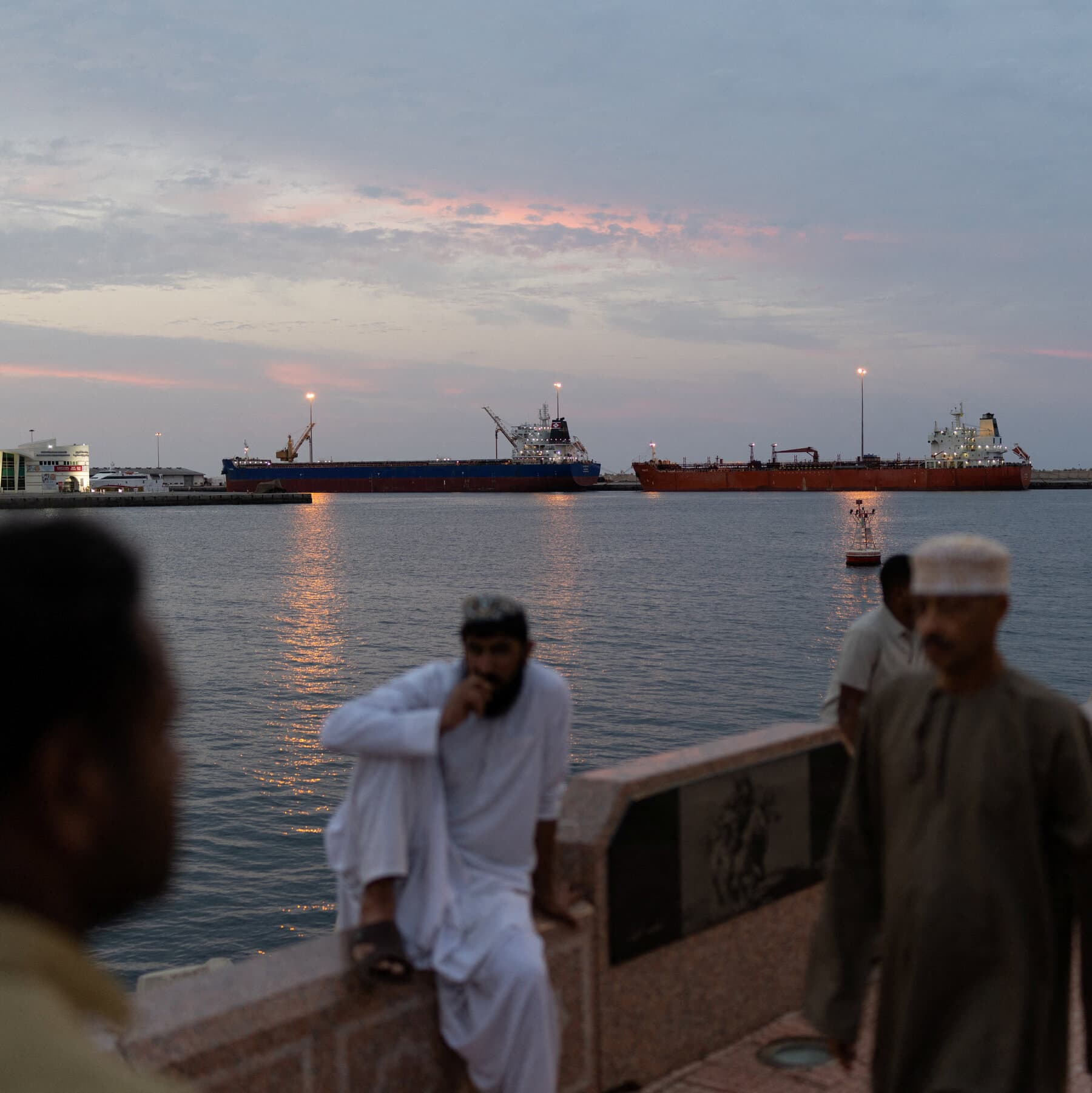
Here's what it means for you.
If you rely on global oil markets, this blockade could impact fuel prices and supply chains.
Why it matters
The blockade directly affects global oil supply routes, influencing prices and economic stability worldwide.
What happened (in 30 seconds)
- On April 13, 2026, the U.S. Navy enforced a blockade on Iranian ports in the Strait of Hormuz following failed peace talks.
- Iran responded by declaring the strait open for commercial traffic, while the U.S. maintained its enforcement against Iranian-linked vessels.
- As of April 18, 2026, 19 ships have turned back in compliance with U.S. directives, indicating significant adherence to the blockade.
The context you actually need
- The blockade stems from escalating tensions following U.S.-Israeli airstrikes on Iran, which prompted Iranian threats against merchant vessels.
- Iran's Revolutionary Guard Corps has imposed tolls on ships, complicating maritime operations in the region.
- The blockade aims to economically isolate Iran while allowing non-Iranian vessels to transit the strait, reflecting broader geopolitical hostilities.
What's really happening
The U.S. naval blockade of Iranian ports in the Strait of Hormuz is a strategic maneuver aimed at exerting economic pressure on Iran amid a backdrop of escalating tensions in the region. The blockade was initiated after the collapse of peace talks in Islamabad, which had sought to address ongoing conflicts involving Iran, Lebanon, and nuclear negotiations. By enforcing this blockade, the U.S. aims to limit Iran's ability to engage in maritime trade, particularly targeting vessels linked to the Iranian government or its affiliates.
The Strait of Hormuz is a critical chokepoint for global oil transportation, with approximately 20% of the world's oil passing through this narrow waterway. The U.S. Central Command reported that multiple vessels have complied with the blockade, turning back to avoid sanctions. This compliance indicates a significant impact on shipping operations, as vessels linked to Iran face heightened scrutiny and potential penalties.
The blockade's implications extend beyond immediate maritime operations. Oil prices have already shown volatility, with Brent crude peaking at $126 per barrel before experiencing a drop following announcements regarding the blockade. This fluctuation is a direct result of market reactions to perceived risks in oil supply, which can lead to inflationary pressures on fuel and related commodities globally.
Moreover, the blockade has prompted reactions from various stakeholders. The UAE has expressed support for U.S. operations, while Iran has condemned the blockade as economic aggression. Shipping insurers have raised premiums significantly, reflecting the increased risk associated with navigating these waters. The situation is further complicated by the presence of stranded Gulf tankers and the reliance on alternative routes, such as the Fujairah bypass pipeline.
As the blockade continues, the dynamics of international shipping and oil markets will likely evolve, with potential long-term consequences for global trade and economic stability.
Who feels it first (and how)
- Shipping companies: Increased insurance premiums and compliance costs due to heightened risks in the region.
- Oil producers: Fluctuating prices and potential supply chain disruptions affecting revenue.
- Consumers: Rising fuel prices impacting transportation costs and overall inflation.
- Geopolitical analysts: Heightened scrutiny of U.S.-Iran relations and regional stability.
What to watch next
- Oil price trends: Monitor fluctuations in oil prices as they reflect market reactions to the blockade and geopolitical developments.
- Shipping compliance rates: Track the number of vessels complying with the blockade, which indicates the effectiveness of U.S. enforcement.
- Iran's response: Watch for any retaliatory measures from Iran, which could escalate tensions further and impact regional stability.
The blockade is currently enforced, with significant compliance from vessels.
Oil prices will remain volatile as markets react to ongoing developments in the Strait of Hormuz.
The long-term impact on U.S.-Iran relations and potential for further military escalation in the region.
Frequently Asked Questions
- Why it matters?
- The blockade directly affects global oil supply routes, influencing prices and economic stability worldwide.
- What happened (in 30 seconds)?
- On April 13, 2026, the U.S. Navy enforced a blockade on Iranian ports in the Strait of Hormuz following failed peace talks. Iran responded by declaring the strait open for commercial traffic, while the U.S. maintained its enforcement against Iranian-linked vessels. As of April 18, 2026, 19 ships have turned back in compliance with U.S. directives, indicating significant adherence to the blockade.
- What's really happening?
- The U.S. naval blockade of Iranian ports in the Strait of Hormuz is a strategic maneuver aimed at exerting economic pressure on Iran amid a backdrop of escalating tensions in the region. The blockade was initiated after the collapse of peace talks in Islamabad, which had sought to address ongoing conflicts involving Iran, Lebanon, and nuclear negotiations. By enforcing this blockade, the U.S. aims to limit Iran's ability to engage in maritime trade, particularly targeting vessels linked to the I
- Who feels it first (and how)?
- Shipping companies: Increased insurance premiums and compliance costs due to heightened risks in the region. Oil producers: Fluctuating prices and potential supply chain disruptions affecting revenue. Consumers: Rising fuel prices impacting transportation costs and overall inflation. Geopolitical analysts: Heightened scrutiny of U.S.-Iran relations and regional stability.
- What to watch next?
- Oil price trends: Monitor fluctuations in oil prices as they reflect market reactions to the blockade and geopolitical developments. Shipping compliance rates: Track the number of vessels complying with the blockade, which indicates the effectiveness of U.S. enforcement. Iran's response: Watch for any retaliatory measures from Iran, which could escalate tensions further and impact regional stability.
Conservative-leaning coverage of current events.
"Fox News is a highly influential conservative news outlet known for right-leaning political commentary and coverage."
— A47 Editor
US eyes Iran fast boats with ‘kill’ tactics tested in Venezuela drug-boat strikes
The United States is preparing for high-risk naval encounters with Iran's fast-attack boats in the Strait of Hormuz, as the U.S. implements a blockade on Iranian ports following the collapse of peace talks. This blockade aims to restrict Iranian oil ...
Regional coverage and analysis focused on politics, diplomacy, and business across the Middle East.
"Al-Monitor is known for analytical reporting on Middle East politics and policy developments."
— A47 Editor
Vessels cross Hormuz destined for Iran despite US blockade
Two sanctioned cargo vessels have successfully crossed the Strait of Hormuz, heading towards Iranian ports, despite the ongoing U.S. blockade initiated after failed peace negotiations. Tracking data indicates that a small number of ships have managed...
Markets, economy, and company analysis from NYT’s business desk.
"The New York Times is a globally recognized newspaper offering authoritative reporting with a center-left editorial stance."
— A47 Editor
What the U.S. Blockade Means for Iran’s Economy
The United States has initiated a blockade of the Strait of Hormuz, a vital maritime route for global oil shipments, following the collapse of peace negotiations with Iran. This blockade is expected to exacerbate Iran's economic difficulties, which a...
Public radio coverage of American news and issues.
"NPR is an American public media organization known for thoughtful reporting and a slightly left-leaning editorial tone."
— A47 Editor
3 things to know about naval blockades as the U.S. patrols the Strait of Hormuz
The United States has initiated a naval blockade of the Strait of Hormuz, a strategic maritime route, following President Trump's announcement aimed at restricting Iranian oil exports. This decision comes after the collapse of peace talks with Iran, ...
International stories from NPR’s global desk.
"NPR is an American public media organization known for thoughtful reporting and a slightly left-leaning editorial tone."
— A47 Editor
3 things to know about naval blockades as the U.S. patrols the Strait of Hormuz
The United States has initiated a naval blockade of the Strait of Hormuz, a strategic maritime route, following President Trump's announcement aimed at restricting Iranian oil exports. This decision comes after the collapse of peace talks with Iran, ...
Arabic-language UAE newspaper coverage focused on domestic affairs, public institutions, business, society, and regional developments.
"Al Khaleej coverage generally reflects a mainstream UAE editorial lens with strong attention to public affairs, institutions, and regional developments."
— A47 Editor
ساعات الحصار الأولى.. العبور من هرمز بـ «القطارة» و«أسطول الظل» الإيراني يطل برأسه
The confrontation between Washington and Tehran has reached a critical juncture as the U.S. Navy tightens a comprehensive blockade on Iranian ports, marking a significant escalation in tensions. This blockade is expected to impact Iran's maritime act...
U.S. business news, corporate developments, and economy.
"The Wall Street Journal is respected for deep financial and economic reporting with a center-right editorial perspective."
— A47 Editor
Iran’s Shadow Fleet Meets Its Match in U.S. Blockade
Iran's sanctions-evading fleet is facing significant challenges as U.S. naval forces enforce a blockade in the Persian Gulf, effectively preventing these vessels from departing. This blockade follows the collapse of peace negotiations between the U.S...
Global political, business, and cultural coverage from WSJ international desks.
"The Wall Street Journal offers extensive international reporting with a reputation for financial insight and a center-right editorial stance."
— A47 Editor
Iran’s Shadow Fleet Meets Its Match in U.S. Blockade
The United States has initiated a naval blockade of the Strait of Hormuz, effectively restricting Iranian ships from leaving the Persian Gulf. This action follows a breakdown of peace talks between the U.S. and Iran, with President Donald Trump warni...
Regional coverage and analysis focused on politics, diplomacy, and business across the Middle East.
"Al-Monitor is known for analytical reporting on Middle East politics and policy developments."
— A47 Editor
US shuts down Iran's maritime trade despite optimism for more talks
The United States has implemented a complete blockade of maritime trade with Iran, effective April 13, 2026, following the failure of peace talks that lasted 21 hours in Pakistan. President Donald Trump indicated that negotiations could potentially r...
Markets, economy, and company analysis from NYT’s business desk.
"The New York Times is a globally recognized newspaper offering authoritative reporting with a center-left editorial stance."
— A47 Editor
US Blockade Stops Iran-Linked Ships From Crossing Strait of Hormuz
The U.S. Central Command has enforced a blockade on Iranian-linked ships in the Strait of Hormuz, directing six vessels to return to Iranian ports. This blockade, which extends from the Gulf of Oman and Arabian Sea, follows the collapse of peace talk...