
Trump Administration Promotes 'Trade Over Aid' Declaration Globally
Here's what it means for you.
If you work in international development or trade, this shift could redefine funding sources and partnership dynamics in your sector.
Why it matters
This initiative signals a significant pivot in U.S. foreign policy, prioritizing trade and investment over traditional aid, which could reshape global economic relationships.
What happened (in 30 seconds)
- On April 15, 2026, U.S. Secretary of State Marco Rubio directed diplomats to lobby for a 'trade over aid' declaration at the UN.
- The initiative follows the dismantling of USAID in 2025 and aims to promote private-sector-led growth in developing nations.
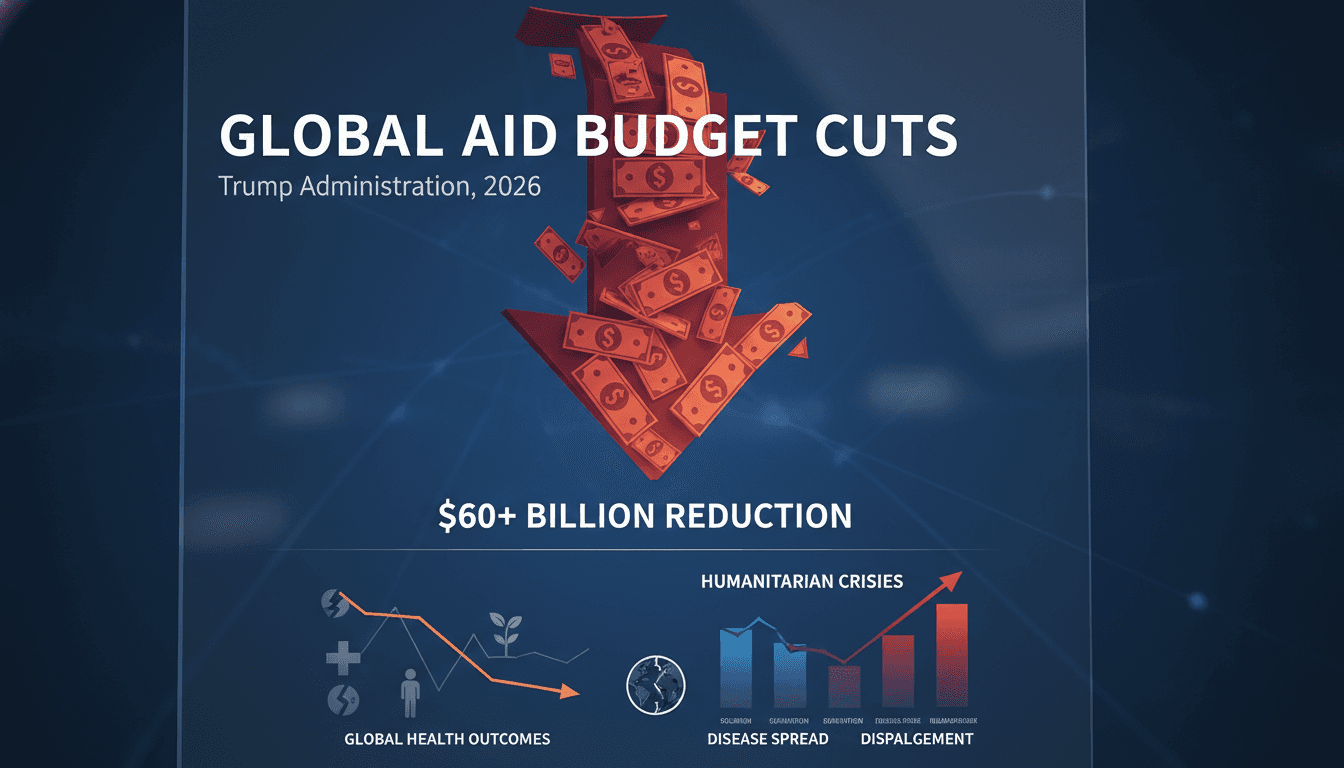
- Critics warn that this shift could lead to increased poverty and excess deaths, with projected aid cuts exceeding $60 billion by 2026.
The context you actually need
- The Trump administration's 2025 dismantling of USAID has already led to significant reductions in U.S. foreign aid, impacting global aid budgets.
- Preliminary OECD data indicates that 26 of 34 donor nations reduced their aid budgets in 2025, with the largest donors projected to cut over $60 billion.
- Studies link these aid reductions to potential humanitarian crises, with projections of millions of excess deaths due to lack of support.
What's really happening
The 'trade over aid' initiative represents a fundamental shift in how the U.S. approaches international assistance. By promoting trade and investment as the primary means of supporting developing nations, the Trump administration is positioning itself against traditional foreign aid models, which it criticizes as ineffective and prone to fostering dependency.
This initiative follows the dismantling of USAID, which has historically been a key player in delivering humanitarian assistance and development aid. The decision to eliminate or significantly reduce USAID's role reflects a broader ideological commitment to free-market principles and a belief that private-sector investment can drive economic growth more effectively than government aid.
The U.S. government is now actively encouraging foreign governments to endorse this new approach, framing it as a way to foster economic independence and prosperity. U.S. diplomats are tasked with promoting pro-business reforms and facilitating partnerships between American businesses and foreign markets. This strategy aligns with the administration's 'America First' economic policies, which prioritize U.S. interests in global trade.
However, the implications of this shift are profound. Critics, including various aid organizations, argue that reducing aid will exacerbate poverty and lead to humanitarian crises. The projected cuts in aid budgets, particularly among the largest donor nations, could result in millions of people lacking essential services and support. Studies from reputable sources like The Lancet and the Center for Global Development highlight the potential for increased mortality rates due to these reductions, estimating that up to 9.4 million excess deaths could occur by 2030 if current trends continue.
As the U.S. pushes for this declaration at the UN, the global response remains uncertain. While some nations may align with the U.S. stance, others may resist, fearing the consequences of abandoning traditional aid models. The outcome of this initiative could redefine international relations and economic partnerships, particularly in developing regions that rely heavily on foreign aid.
Who feels it first (and how)
- International NGOs: Likely to face funding shortages and increased pressure to adapt to new funding models.
- Developing nations: May experience shifts in economic support, impacting their development strategies and reliance on aid.
- U.S. businesses: Could benefit from new opportunities in foreign markets but may also face challenges in navigating complex local environments without traditional aid support.
What to watch next
- Global reactions: Monitor how other nations respond to the U.S. push for the 'trade over aid' declaration, as this could influence international aid dynamics.
- Aid budget trends: Keep an eye on the aid budgets of other donor nations, particularly those projected to cut funding, to assess the broader impact on global humanitarian efforts.
- Health and development indicators: Watch for changes in health and development outcomes in regions affected by reduced aid, as these will provide insight into the real-world effects of this policy shift.
The U.S. is actively lobbying for a 'trade over aid' declaration at the UN.
Significant reductions in global aid budgets will continue, impacting humanitarian efforts.
The long-term effects on developing nations' economies and health outcomes remain uncertain.
Frequently Asked Questions
- Why it matters?
- This initiative signals a significant pivot in U.S. foreign policy, prioritizing trade and investment over traditional aid, which could reshape global economic relationships.
- What happened (in 30 seconds)?
- On April 15, 2026, U.S. Secretary of State Marco Rubio directed diplomats to lobby for a 'trade over aid' declaration at the UN. The initiative follows the dismantling of USAID in 2025 and aims to promote private-sector-led growth in developing nations. Critics warn that this shift could lead to increased poverty and excess deaths, with projected aid cuts exceeding $60 billion by 2026.
- What's really happening?
- The 'trade over aid' initiative represents a fundamental shift in how the U.S. approaches international assistance. By promoting trade and investment as the primary means of supporting developing nations, the Trump administration is positioning itself against traditional foreign aid models, which it criticizes as ineffective and prone to fostering dependency. This initiative follows the dismantling of USAID, which has historically been a key player in delivering humanitarian assistance and dev
- Who feels it first (and how)?
- International NGOs: Likely to face funding shortages and increased pressure to adapt to new funding models. Developing nations: May experience shifts in economic support, impacting their development strategies and reliance on aid. U.S. businesses: Could benefit from new opportunities in foreign markets but may also face challenges in navigating complex local environments without traditional aid support.
- What to watch next?
- Global reactions: Monitor how other nations respond to the U.S. push for the 'trade over aid' declaration, as this could influence international aid dynamics. Aid budget trends: Keep an eye on the aid budgets of other donor nations, particularly those projected to cut funding, to assess the broader impact on global humanitarian efforts. Health and development indicators: Watch for changes in health and development outcomes in regions affected by reduced aid, as these will provide insight int
News from the United States including domestic politics, society, and culture.
"The Guardian is known for its progressive editorial stance and in-depth analysis, often advocating for social justice, environmental issues, and liberal values."
— A47 Editor
Trump officials urge other countries to join new ‘trade over aid’ push
The Trump administration is actively seeking international support for a new development policy initiative termed 'trade over aid,' which aims to shift focus from direct aid to developing nations towards enhancing trade opportunities led by private c...
Top international stories selected by The Guardian editors.
"The Guardian is known for its progressive editorial stance and in-depth analysis."
— A47 Editor
Trump officials urge other countries to join ‘trade over aid’ push
The Trump administration is actively seeking international support for a 'trade over aid' initiative, aiming to shift global development policy away from direct aid to developing countries and towards increased trade opportunities led by private comp...
Key macro releases (CPI, jobs, PMIs), surprise indexes, and market implications.
"Great for data-print awareness and instant read-through to rates and risk assets."
— A47 Editor
Trump administration to lobby allies to support ’trade over aid’ push, cable shows
The Trump administration is actively lobbying allies to support its 'trade over aid' initiative, which encourages businesses to establish partnerships instead of relying on traditional foreign aid, as revealed in a recent cable. This strategy aims to...