
Airlines Increase Baggage Fees and Fuel Surcharges Due to Rising Jet Fuel Prices
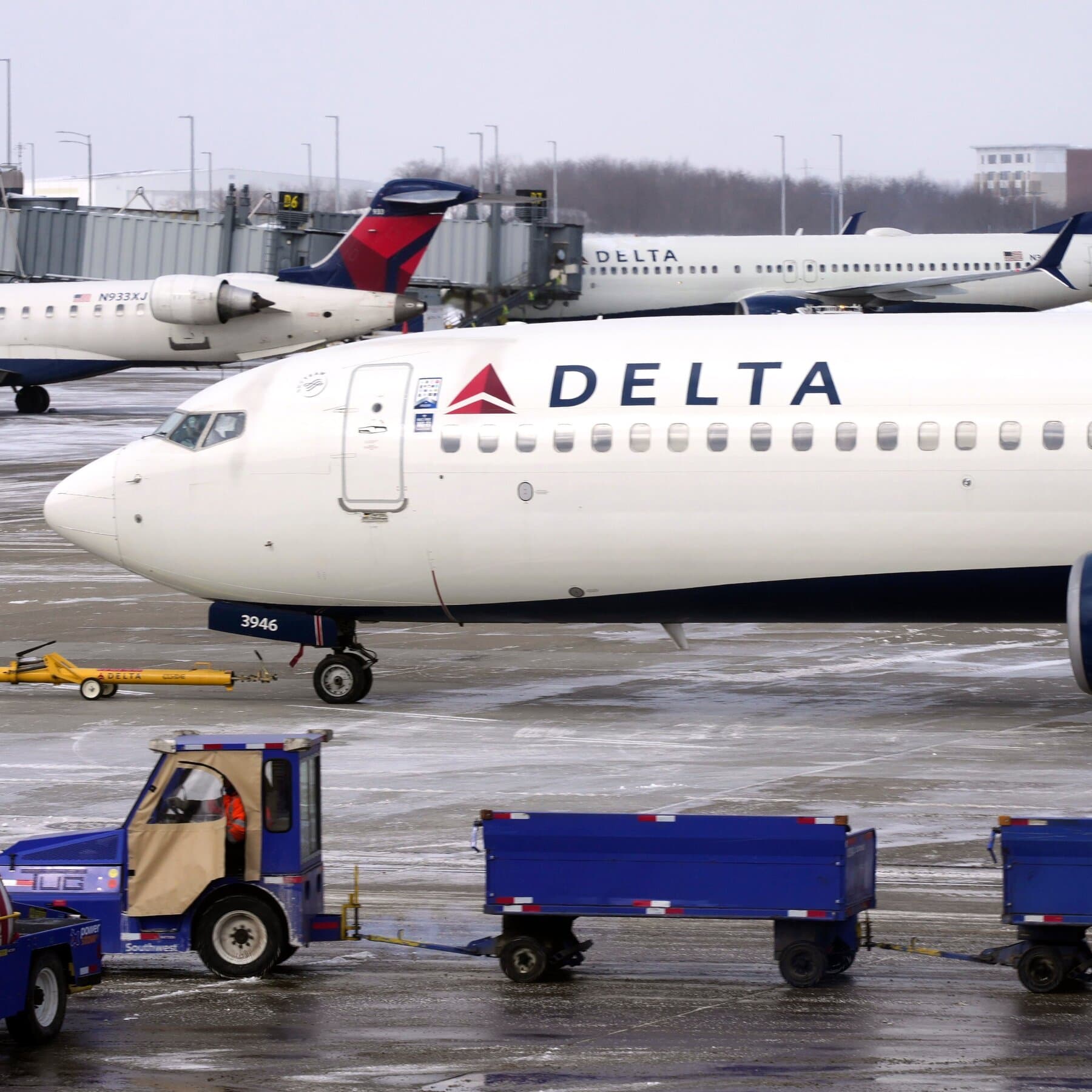
Here's what it means for you.
If you’re planning to fly with major U.S. or Canadian airlines, expect to pay more for your luggage and possibly higher ticket prices.
Why it matters
Airlines are adjusting fees in response to volatile fuel prices, impacting travel costs for consumers and altering industry revenue dynamics.
What happened (in 30 seconds)
- On April 7, 2026, Delta, Southwest, WestJet, and others announced increases in checked baggage fees and fuel surcharges.
- Jet fuel prices surged by 88% due to geopolitical tensions, reaching $4.69 per gallon in the U.S.
- Effective April 8-9, 2026, Delta and Southwest raised first and second checked bag fees by $10, while WestJet introduced surcharges up to C$60.
The context you actually need
- The Strait of Hormuz closure has disrupted global oil supplies, leading to significant increases in jet fuel costs.
- Airlines are heavily reliant on fuel, which constitutes 20-30% of their operating expenses, making them vulnerable to price fluctuations.
- Preceding fee hikes by United and JetBlue set a precedent, prompting a broader industry response to rising fuel costs.
What's really happening
The recent surge in jet fuel prices—an 88% increase since late February 2026—has forced airlines to reassess their pricing strategies. The closure of the Strait of Hormuz, a crucial oil shipping route, has exacerbated supply chain issues, leading to a spike in fuel costs that airlines can no longer absorb without passing some of the burden onto consumers.
Delta Air Lines and Southwest Airlines have raised their checked baggage fees by $10, bringing first checked bag fees to $45 and second checked bags to $55. WestJet has introduced fuel surcharges of up to C$60 on select flights, reflecting the rising operational costs. This trend is not isolated; it follows similar adjustments by United Airlines and JetBlue earlier in April, indicating a coordinated response across the industry to a common challenge.
Airlines are framing these fee increases as temporary measures in response to fuel volatility. However, the reality is that these adjustments may become a permanent fixture in the airline pricing landscape. With fuel prices accounting for a significant portion of operating expenses, airlines are incentivized to seek ancillary revenue streams to maintain profitability. This shift towards higher fees for services like baggage is a clear signal of the industry's need to adapt to fluctuating costs.
Consumer reactions have been mixed, with many taking to social media to express frustration over the compounded costs of air travel, which now include higher base fares alongside increased baggage fees. The potential for reduced service quality or route availability may also emerge as airlines adjust their operations in response to these economic pressures. WestJet has already announced plans to cut low-demand routes, which could limit options for travelers in certain regions.
As airlines navigate this challenging environment, they will likely continue to evaluate their pricing structures, potentially leading to further adjustments in the future. The broader implications for the airline industry include a potential shift in consumer behavior, as travelers may seek alternative modes of transportation or airlines with more competitive pricing structures.
Who feels it first (and how)
- Frequent travelers: Those who travel often for business or leisure will see immediate impacts on their travel budgets.
- Budget-conscious consumers: Individuals and families who rely on affordable travel options may be priced out of certain routes.
- Airline employees: Staff may face job uncertainty as airlines adjust routes and services in response to reduced demand.
What to watch next
- Fuel price trends: Monitoring jet fuel prices will be crucial, as further increases could lead to additional fee hikes.
- Consumer travel behavior: Watch for shifts in how consumers choose to travel, including potential increases in demand for budget airlines.
- Regulatory responses: Keep an eye on any government actions or regulations that may emerge in response to rising airline fees.
Airlines have raised baggage fees and fuel surcharges in response to rising fuel costs.
Further adjustments in pricing structures as fuel prices fluctuate.
The long-term impact on consumer travel behavior and airline profitability.
Frequently Asked Questions
- Why it matters?
- Airlines are adjusting fees in response to volatile fuel prices, impacting travel costs for consumers and altering industry revenue dynamics.
- What happened (in 30 seconds)?
- On April 7, 2026, Delta, Southwest, WestJet, and others announced increases in checked baggage fees and fuel surcharges. Jet fuel prices surged by 88% due to geopolitical tensions, reaching $4.69 per gallon in the U.S. Effective April 8-9, 2026, Delta and Southwest raised first and second checked bag fees by $10, while WestJet introduced surcharges up to C$60.
- What's really happening?
- The recent surge in jet fuel prices—an 88% increase since late February 2026—has forced airlines to reassess their pricing strategies. The closure of the Strait of Hormuz, a crucial oil shipping route, has exacerbated supply chain issues, leading to a spike in fuel costs that airlines can no longer absorb without passing some of the burden onto consumers. Delta Air Lines and Southwest Airlines have raised their checked baggage fees by $10, bringing first checked bag fees to $45 and second chec
- Who feels it first (and how)?
- Frequent travelers: Those who travel often for business or leisure will see immediate impacts on their travel budgets. Budget-conscious consumers: Individuals and families who rely on affordable travel options may be priced out of certain routes. Airline employees: Staff may face job uncertainty as airlines adjust routes and services in response to reduced demand.
- What to watch next?
- Fuel price trends: Monitoring jet fuel prices will be crucial, as further increases could lead to additional fee hikes. Consumer travel behavior: Watch for shifts in how consumers choose to travel, including potential increases in demand for budget airlines. Regulatory responses: Keep an eye on any government actions or regulations that may emerge in response to rising airline fees.
Markets, economy, and company analysis from NYT’s business desk.
"The New York Times is a globally recognized newspaper offering authoritative reporting with a center-left editorial stance."
— A47 Editor
Delta, Southwest, WestJet and Other Airlines Announce Higher Baggage Fees and Fuel Surcharges
American and Canadian airlines, including Delta, Southwest, and WestJet, have announced increases in baggage fees and fuel surcharges in response to rising fuel costs linked to the ongoing conflict in Iran. Delta Air Lines is raising its checked-bag ...
International coverage from The Guardian's global desks.
"The Guardian is known for its progressive editorial stance and in-depth analysis."
— A47 Editor
Several US airlines raise baggage fees due to higher oil costs associated with Iran war
Several major US airlines, including Delta, United, and JetBlue, have increased their baggage fees in response to soaring oil prices, which have nearly doubled due to the ongoing conflict in Iran. This decision comes despite Delta reporting a $1 bill...