
US-Iran Negotiations Fail Leading to Naval Blockade and Oil Price Surge
Here's what it means for you.
If you rely on global supply chains or energy markets, the fallout from this crisis could significantly impact your costs and availability of goods.
Why it matters
The collapse of US-Iran negotiations threatens global oil supply, driving prices up and destabilizing economies reliant on Middle Eastern energy exports.
What happened (in 30 seconds)
- Negotiations failed: Direct US-Iran talks in Islamabad collapsed after 21 hours, marking a significant diplomatic setback.
- Naval blockade initiated: President Trump ordered a blockade of Iranian ports in the Strait of Hormuz, escalating military tensions.
- Oil prices surged: Global oil prices increased by over 50% due to fears of supply disruptions, impacting markets worldwide.
The context you actually need
- Historical animosities: The US-Iran relationship has been fraught since 1979, complicating any potential for compromise during negotiations.
- Strategic importance of Hormuz: The Strait of Hormuz is a critical chokepoint for global oil and gas, with 20% of the world's supply passing through it.
- Economic implications: The ongoing crisis has led to a 60% decline in Middle Eastern energy exports, prompting downward revisions in global growth forecasts.
What's really happening
The 2026 Strait of Hormuz crisis is rooted in a complex web of historical grievances and geopolitical stakes. The US-Iran war, which began on February 28, 2026, saw Iran impose selective passage restrictions in the Strait of Hormuz, effectively closing it to non-approved vessels. This prompted a precarious two-week ceasefire that allowed for indirect diplomacy, culminating in unprecedented face-to-face talks in Islamabad.
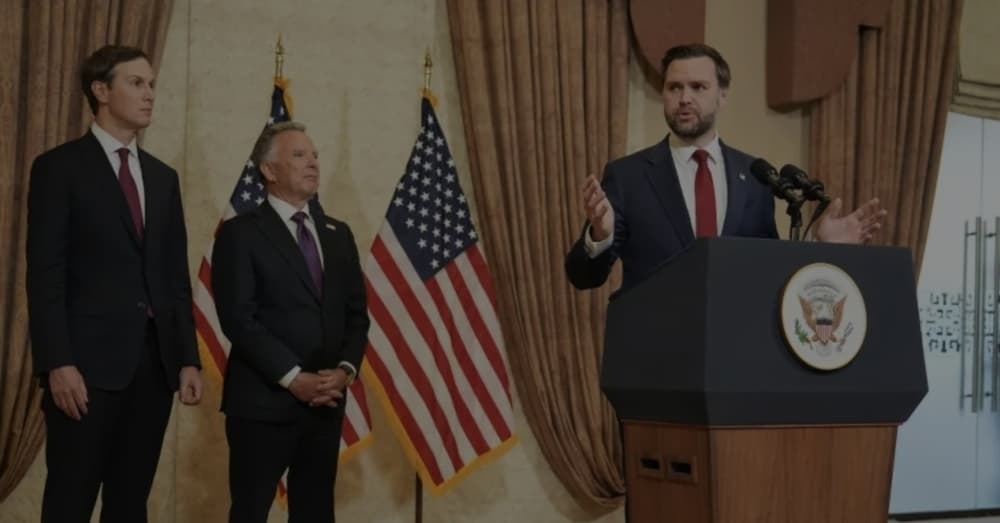
During these negotiations, US Vice President J.D. Vance confronted Iranian officials over nuclear commitments and freedom of navigation in the strait. However, the talks collapsed due to mutual recriminations: the US accused Iran of nuclear intransigence, while Iran blamed Washington's distrust and maximalist demands. The breakdown of these negotiations has significant implications for both regional stability and global energy markets.
In response to the failed talks, President Trump announced a naval blockade of Iranian ports, modeled after previous operations in Venezuela. This blockade aims to compel Iran to reopen the Strait of Hormuz, but it also risks escalating military tensions further. Concurrently, Israel's military preparations signal a readiness for potential conflict, further endangering the fragile ceasefire.
The immediate economic impact has been severe. Oil prices surged over 50% since the near-complete closure of the strait, leading to heightened shipping costs and market volatility. The World Bank and International Energy Agency have revised their 2026 global growth forecasts downward, reflecting the broader economic disruption caused by the crisis. As Middle Eastern energy exports plummet by more than 60%, countries dependent on these resources face increased inflation and economic strain.
The situation is further complicated by the involvement of regional players, including Gulf states like Saudi Arabia and the UAE, who are closely monitoring the developments. Their responses will be crucial in shaping the regional balance of power and the future of energy markets.
Who feels it first (and how)
- Energy consumers: Higher oil prices will lead to increased costs for consumers and businesses globally.
- Shipping and logistics sectors: Disruptions in shipping routes and increased insurance costs will affect global supply chains.
- Expatriates in Dubai: Rising living costs and regional instability may prompt expatriates to reconsider their residency in the UAE.
What to watch next
- Oil price fluctuations: Continued volatility in oil prices will indicate the severity of the crisis and its impact on global markets.
- Military escalations: Any signs of military action from Iran or Israel could further destabilize the region and exacerbate economic disruptions.
- Diplomatic efforts: Watch for any renewed attempts at mediation from countries like Pakistan or Oman, which could influence the trajectory of the crisis.
The US has implemented a naval blockade of Iranian ports.
Oil prices will remain volatile as the situation develops, impacting global markets.
The long-term effects on global economic growth and energy security remain uncertain.
Frequently Asked Questions
- Why it matters?
- The collapse of US-Iran negotiations threatens global oil supply, driving prices up and destabilizing economies reliant on Middle Eastern energy exports.
- What happened (in 30 seconds)?
- Negotiations failed: Direct US-Iran talks in Islamabad collapsed after 21 hours, marking a significant diplomatic setback. Naval blockade initiated: President Trump ordered a blockade of Iranian ports in the Strait of Hormuz, escalating military tensions. Oil prices surged: Global oil prices increased by over 50% due to fears of supply disruptions, impacting markets worldwide.
- What's really happening?
- The 2026 Strait of Hormuz crisis is rooted in a complex web of historical grievances and geopolitical stakes. The US-Iran war, which began on February 28, 2026, saw Iran impose selective passage restrictions in the Strait of Hormuz, effectively closing it to non-approved vessels. This prompted a precarious two-week ceasefire that allowed for indirect diplomacy, culminating in unprecedented face-to-face talks in Islamabad. During these negotiations, US Vice President J.D. Vance confronted Irania
- Who feels it first (and how)?
- Energy consumers: Higher oil prices will lead to increased costs for consumers and businesses globally. Shipping and logistics sectors: Disruptions in shipping routes and increased insurance costs will affect global supply chains. Expatriates in Dubai: Rising living costs and regional instability may prompt expatriates to reconsider their residency in the UAE.
- What to watch next?
- Oil price fluctuations: Continued volatility in oil prices will indicate the severity of the crisis and its impact on global markets. Military escalations: Any signs of military action from Iran or Israel could further destabilize the region and exacerbate economic disruptions. Diplomatic efforts: Watch for any renewed attempts at mediation from countries like Pakistan or Oman, which could influence the trajectory of the crisis.
Arabic-language coverage of Saudi, regional, and international affairs.
"Al Bilad offers mainstream Saudi newspaper coverage across domestic and broader Arab topics."
— A47 Editor
مفاوضات شاقة بلا اتفاق.. مضيق هرمز والنووي يعمقان الخلاف
A lengthy round of negotiations between the United States and Iran in Islamabad concluded without reaching an agreement, highlighting deep complexities and fundamental disagreements that continue to obstruct any potential settlement between the two p...
Coverage of political affairs and regional developments from a Saudi perspective.
"Al Watan political coverage typically follows a mainstream Saudi framing of regional and national issues."
— A47 Editor
هرمز يربك النمو العالمي فشل المفاوضات يضع طهران بين الحصار والمواجهة المفتوحة
The longest direct negotiations between Washington and Tehran since 1979 ended in failure after 21 hours of talks in Islamabad, leaving the region in a precarious situation with unanswered questions and threats. The anticipated agreement did not mate...
Arabic-language coverage of political affairs and current events.
"Okaz political coverage typically follows mainstream Saudi framing on national and regional affairs."
— A47 Editor
بعد محادثات إسلام آباد ..إيران ليست متعجلة ولا خطط لجولة جديدة من المفاوضات
Following the latest round of negotiations in Islamabad, Iran has indicated that it is not in a hurry to engage in further talks with the United States, especially after the discussions ended without any breakthroughs and mutual accusations regarding...
Arabic-language coverage of political affairs and current events.
"Okaz political coverage typically follows mainstream Saudi framing on national and regional affairs."
— A47 Editor
جولة بلا اختراق وخلافات حول مسألتين.. طهران: لم نتوقع التوصل لاتفاق
The recent round of negotiations between the United States and Iran in Islamabad concluded without reaching an agreement, despite a full day of discussions. Iranian Foreign Ministry spokesman Ismail Baqaei indicated that while some points were agreed...
Arabic-language political and world news coverage for UAE readers.
"Emarat Al Youm world coverage usually presents international developments through a UAE and Arab audience lens."
— A47 Editor
خلافان رئيسيان يقفان وراء فشل مفاوضات إسلام آباد خلافان رئيسيان يقفان وراء فشل مفاوضات إسلام آباد
Following the announcement of the failure of negotiations between the United States and Iran, a spokesperson for the Iranian Foreign Ministry indicated that differing viewpoints were a significant factor in this outcome. The negotiations aimed to add...
Arabic-language UAE newspaper coverage focused on domestic affairs, public institutions, business, society, and regional developments.
"Al Khaleej coverage generally reflects a mainstream UAE editorial lens with strong attention to public affairs, institutions, and regional developments."
— A47 Editor
خلافان رئيسيان وراء فشل مفاوضات أمريكا وإيران في إسلام آباد.. ما هما؟
The recent negotiations between the United States and Iran in Islamabad have ended in failure, as stated by a spokesperson from the Iranian Foreign Ministry, who noted significant differences in perspectives on two key issues.
Arabic-language coverage of political affairs and current events.
"Okaz political coverage typically follows mainstream Saudi framing on national and regional affairs."
— A47 Editor
14 ساعة بلا حسم.. مبادرة باكستان تصطدم بتعقيدات الحرب الأمريكية–الإيراني
After 14 hours of intense negotiations, the U.S.-Iran talks in Islamabad concluded without a decisive agreement, highlighting the complexity of sovereign issues intertwined with regional calculations. Despite ongoing dialogue and proposal exchanges, ...
Arabic-language political and world news coverage for UAE readers.
"Emarat Al Youm world coverage usually presents international developments through a UAE and Arab audience lens."
— A47 Editor
وفدا أميركا وإيران سيواصلان المحادثات في باكستان بعد استراحة وفدا أميركا وإيران سيواصلان المحادثات في باكستان بعد استراحة
The third round of ceasefire talks between the United States and Iran concluded in Pakistan before dawn on Sunday. The discussions are part of ongoing efforts to address tensions and seek a resolution to conflicts involving both nations.
Arabic-language coverage of international news and geopolitics.
"RT Arabic is a Russian state-funded outlet often criticized for promoting Kremlin-aligned narratives."
— A47 Editor
تسنيم: لا تقدم في مفاوضات إسلام آباد حتى الآن والخلاف الجوهري حول مضيق هرمز
The ongoing U.S.-Iran negotiations in Islamabad have not yielded any significant breakthroughs thus far, primarily due to the U.S. insistence on excessive demands, according to Tasnim news agency. The core issue remains centered around the strategic ...
Arabic-language coverage of international news and geopolitics.
"RT Arabic is a Russian state-funded outlet often criticized for promoting Kremlin-aligned narratives."
— A47 Editor
استئناف المفاوضات الأمريكية الإيرانية اليوم الأحد وسط تقدم في "تفاصيل" وخلاف عميق حول مضيق هرمز
Direct negotiations between Iran and the United States, currently taking place in Islamabad, are set to resume today, following a proposal from the Pakistani side and agreement from both parties. This round of talks comes amid ongoing discussions abo...
Arabic-language digital news outlet covering UAE, regional, and international developments with broad general-news coverage.
"Al Ain News coverage typically blends UAE-focused reporting with wider Arab regional and international news."
— A47 Editor
محادثات أمريكا وإيران في إسلام آباد.. نصوص مكتوبة وفرص نجاح «ضئيلة»
Talks between the United States and Iran commenced in Islamabad, Pakistan, with expectations that discussions may extend late into the night or into Sunday. The negotiations are characterized by written texts and a cautious outlook on their potential...
Arabic-language coverage of international news and geopolitics.
"RT Arabic is a Russian state-funded outlet often criticized for promoting Kremlin-aligned narratives."
— A47 Editor
مفاوضات إسلام آباد.. تشدد أمريكي إيراني
Recent negotiations in Islamabad have highlighted a growing tension between the United States and Iran, reflecting the complexities of their diplomatic relations. The discussions are set against a backdrop of longstanding geopolitical issues that con...
Arabic-language digital news outlet covering UAE, regional, and international developments with broad general-news coverage.
"Al Ain News coverage typically blends UAE-focused reporting with wider Arab regional and international news."
— A47 Editor
إسلام آباد تستضيف مفاوضات الحسم.. تفاؤل أمريكي وعراقيل إيرانية
The American delegation arrived in Islamabad on Saturday, marking the beginning of anticipated negotiations aimed at ending a six-week-long conflict. This development highlights the ongoing diplomatic efforts to resolve tensions in the region.