
Saudi Arabia Intercepts Five Ballistic Missiles Targeting Eastern Province
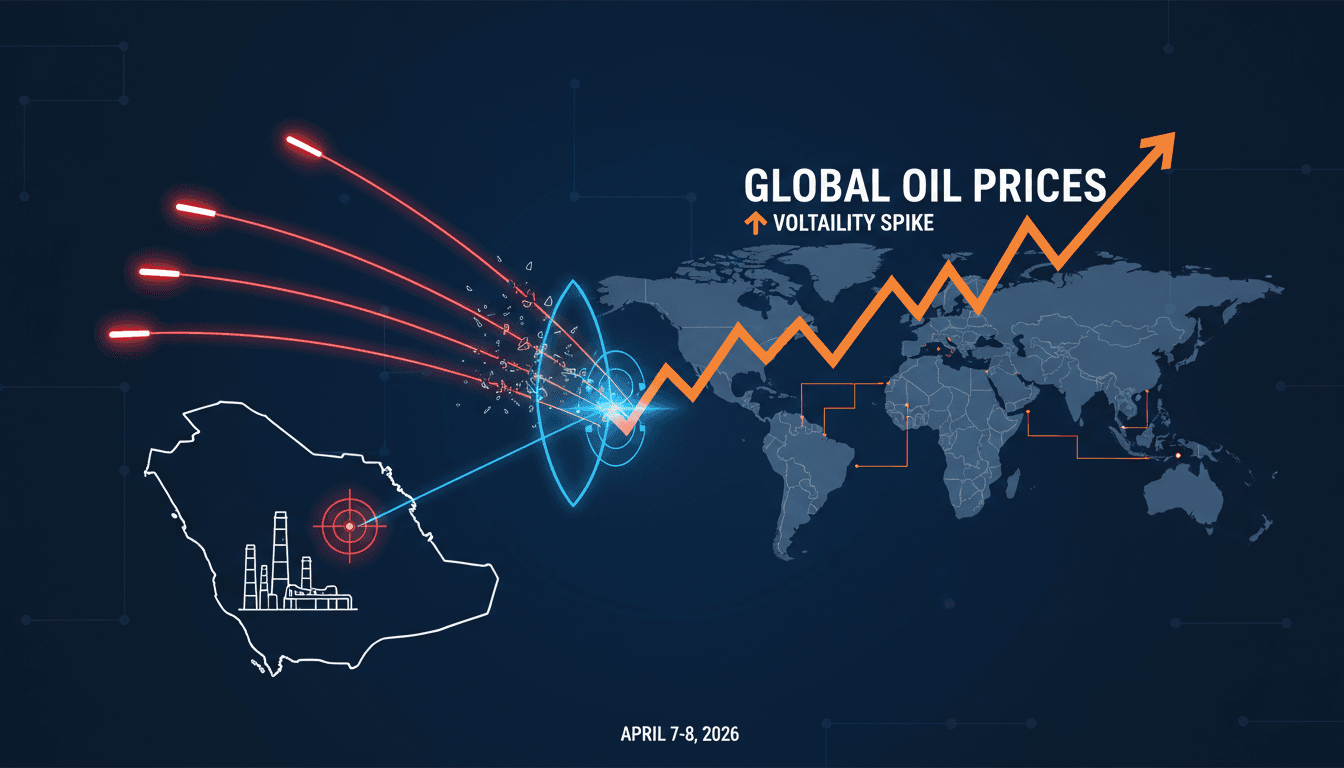
Here's what it means for you.
Increased military tensions in the Gulf could affect global oil prices and supply chains, impacting your costs.
Why it matters
The ongoing missile threats to Saudi Arabia's energy infrastructure raise concerns about regional stability and global oil market volatility.
What happened (in 30 seconds)
- Saudi air defenses intercepted five ballistic missiles targeting the Eastern Province on April 7–8, 2026, with no casualties reported.
- This follows the interception of 11 ballistic missiles and 22 drones aimed at the same region just hours earlier.
- Debris from the interceptions fell near energy facilities, but operational disruptions were avoided, according to the Saudi Ministry of Defense.
The context you actually need
- Escalated attacks by Iran-backed Houthi militants from Yemen have increasingly targeted Saudi Arabia's energy infrastructure, particularly in the oil-rich Eastern Province.
- Recent interceptions highlight the effectiveness of Saudi air defenses, which have been tested repeatedly amid rising regional tensions involving Iran, Israel, and U.S. forces.
- The potential for increased oil prices looms large, with analysts predicting surges to $150–180 per barrel if missile attacks continue, impacting global markets.
What's really happening
The recent missile interceptions in Saudi Arabia are part of a broader pattern of escalating military confrontations in the Middle East, particularly involving Iran-backed Houthi militants from Yemen. These attacks are primarily aimed at Saudi Arabia's critical energy infrastructure, which is vital not only for the Kingdom but also for global oil markets. The Eastern Province, rich in oil reserves, has become a focal point for these hostilities, reflecting the ongoing geopolitical tensions in the region.
On April 7, 2026, Saudi air defenses successfully intercepted 11 ballistic missiles and 22 drones, demonstrating a robust response capability. This was followed by the interception of five additional missiles on the night of April 7–8. The Saudi Ministry of Defense confirmed that all threats were neutralized, with debris falling near energy facilities but no operational disruptions reported. This effectiveness is crucial, as any successful strike could have significant ramifications for oil supply and pricing.
The backdrop to these events includes a complex web of regional dynamics, including Iran's influence in Yemen and its support for Houthi militants. The Houthis have increasingly targeted Saudi Arabia, aiming to disrupt its oil production and export capabilities. This strategy not only seeks to exert pressure on the Saudi government but also to challenge U.S. influence in the region.
The implications of these missile interceptions extend beyond immediate military concerns. Analysts are closely monitoring the potential for increased volatility in oil markets. If attacks persist, oil prices could surge significantly, affecting global economic conditions. For instance, a rise to $150–180 per barrel could lead to higher transportation and production costs worldwide, impacting consumers and businesses alike.
Moreover, the situation has prompted heightened air defense alerts and flight monitoring in neighboring regions, including Dubai. While there have been no direct impacts reported for residents in Dubai, the proximity of these tensions raises concerns about potential spillover effects, including disruptions in air travel and trade routes.
In summary, the missile interceptions underscore the fragility of regional stability and the interconnectedness of military actions and global economic outcomes. As tensions continue to escalate, the world will be watching closely to see how these dynamics unfold.
Who feels it first (and how)
- Oil market traders: Increased volatility could lead to rapid price fluctuations.
- Energy-dependent industries: Higher oil prices may raise operational costs, impacting profit margins.
- Consumers: Rising fuel prices could lead to increased costs for transportation and goods.
- Regional residents: Heightened military tensions may result in increased security measures and air travel disruptions.
What to watch next
- Oil price trends: Monitor fluctuations in oil prices as they may indicate market reactions to ongoing military tensions.
- Houthi military activity: Keep an eye on any further missile launches or drone attacks, which could escalate the conflict.
- Saudi defense capabilities: Assess developments in Saudi air defense systems and their effectiveness in neutralizing threats.
Saudi Arabia successfully intercepted five ballistic missiles without casualties.
Continued military tensions will affect oil prices and regional stability.
The long-term impact on global supply chains and consumer prices remains uncertain.
Frequently Asked Questions
- Why it matters?
- The ongoing missile threats to Saudi Arabia's energy infrastructure raise concerns about regional stability and global oil market volatility.
- What happened (in 30 seconds)?
- Saudi air defenses intercepted five ballistic missiles targeting the Eastern Province on April 7–8, 2026, with no casualties reported. This follows the interception of 11 ballistic missiles and 22 drones aimed at the same region just hours earlier. Debris from the interceptions fell near energy facilities, but operational disruptions were avoided, according to the Saudi Ministry of Defense.
- What's really happening?
- The recent missile interceptions in Saudi Arabia are part of a broader pattern of escalating military confrontations in the Middle East, particularly involving Iran-backed Houthi militants from Yemen. These attacks are primarily aimed at Saudi Arabia's critical energy infrastructure, which is vital not only for the Kingdom but also for global oil markets. The Eastern Province, rich in oil reserves, has become a focal point for these hostilities, reflecting the ongoing geopolitical tensions in th
- Who feels it first (and how)?
- Oil market traders: Increased volatility could lead to rapid price fluctuations. Energy-dependent industries: Higher oil prices may raise operational costs, impacting profit margins. Consumers: Rising fuel prices could lead to increased costs for transportation and goods. Regional residents: Heightened military tensions may result in increased security measures and air travel disruptions.
- What to watch next?
- Oil price trends: Monitor fluctuations in oil prices as they may indicate market reactions to ongoing military tensions. Houthi military activity: Keep an eye on any further missile launches or drone attacks, which could escalate the conflict. Saudi defense capabilities: Assess developments in Saudi air defense systems and their effectiveness in neutralizing threats.
Pan-Arab news coverage spanning politics, business, sports, and regional affairs.
"Asharq Al-Awsat reflects a broad Arab editorial perspective with strong attention to regional geopolitics."
— A47 Editor
السعودية تتصدى لـ5 صواريخ باليستية باتجاه الشرقية
Saudi air defenses successfully intercepted and destroyed five ballistic missiles launched towards the Eastern Province early Wednesday, as confirmed by the spokesperson for the Ministry of Defense, Major General Turki Al-Maliki.
English-language reporting on Saudi politics, policy, and society.
"Saudi Gazette reflects mainstream Saudi institutional perspectives."
— A47 Editor
Saudi air defenses intercept 18 drones hours after downing 11 missiles
Saudi air defenses successfully intercepted and destroyed 18 drones shortly after downing 11 ballistic missiles over the Eastern Province, as reported by Ministry of Defense spokesman Maj. Gen. Turki Al-Maliki. The interceptions occurred within hours...
English-language reporting focused on Saudi Arabia and regional affairs.
"Saudi Gazette provides English-language coverage that often aligns with mainstream Saudi news priorities."
— A47 Editor
Saudi air defenses intercept 18 drones hours after downing 11 missiles
Saudi air defenses successfully intercepted and destroyed 18 drones over the Eastern Province on Tuesday, shortly after downing 11 ballistic missiles earlier in the day, as reported by Ministry of Defense spokesman Maj. Gen. Turki Al-Maliki. The inte...
Arabic-language coverage of international news and geopolitics.
"RT Arabic is a Russian state-funded outlet often criticized for promoting Kremlin-aligned narratives."
— A47 Editor
السعودية: اعتراض 7 صواريخ باليستية بالشرقية وسقوط حطام بمحيط منشآت طاقة (فيديو)
The Saudi Ministry of Defense spokesperson, Turki Al-Maliki, announced the interception and destruction of seven ballistic missiles launched towards the Eastern region of the Kingdom, with debris falling near energy facilities.
Arabic-language coverage of international news and geopolitics.
"RT Arabic is a Russian state-funded outlet often criticized for promoting Kremlin-aligned narratives."
— A47 Editor
الدفاع السعودية: اعتراض وتدمير 4 صواريخ باليستية بالمنطقة الشرقية
The Saudi Ministry of Defense announced that four ballistic missiles were intercepted and destroyed in the Eastern Province, as stated by the official spokesman, Major General Turki Al-Maliki. This action reflects ongoing military efforts to protect ...