
Iran's Control Over Strait of Hormuz Becomes Key Deterrent Amid Ongoing Conflict
Here's what it means for you.
Rising energy costs and geopolitical tensions could directly impact your business operations and personal finances.
Why it matters
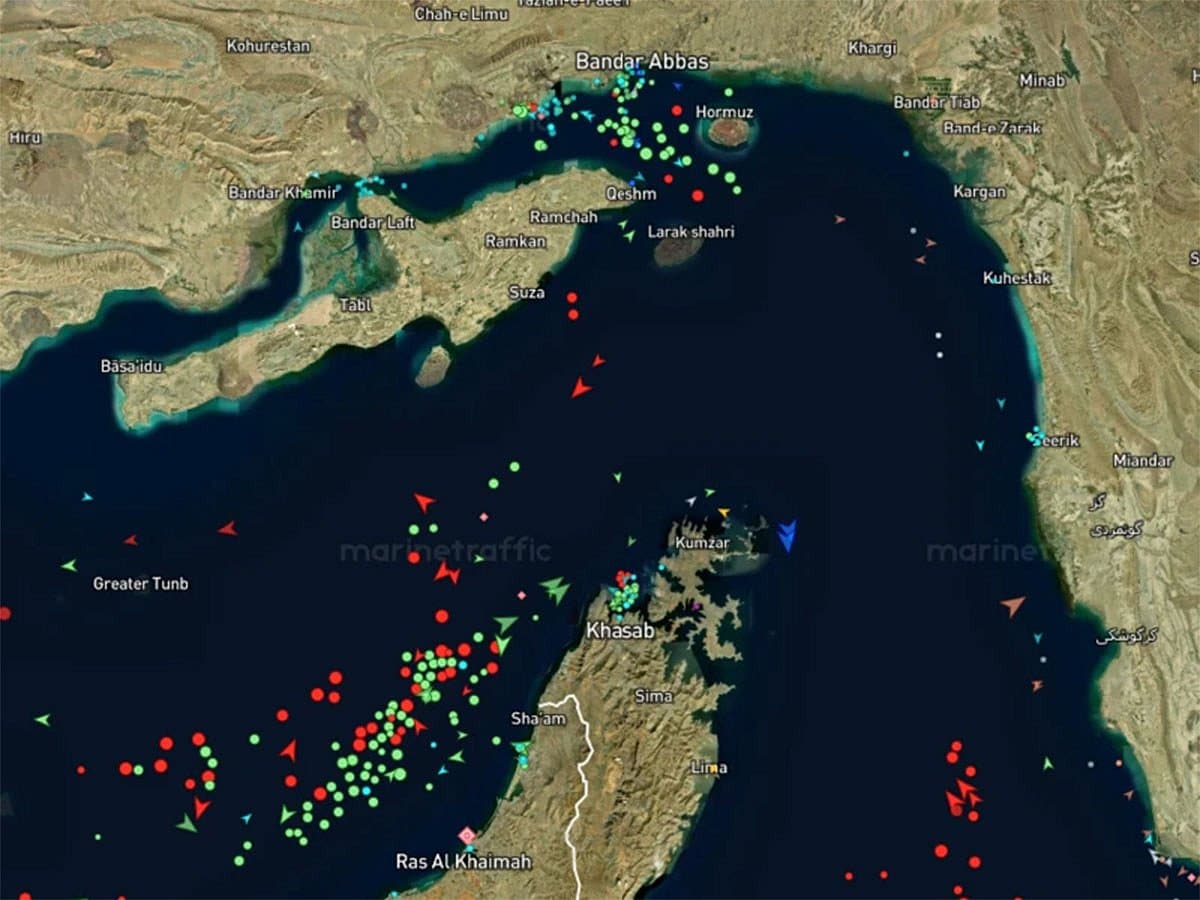
The Strait of Hormuz is a critical chokepoint for global oil supply, and Iran's control over it poses significant risks to energy markets and international trade.
What happened (in 30 seconds)
- Iran's control over the Strait of Hormuz has become its primary deterrence strategy, overshadowing its nuclear ambitions.
- The US and Israel initiated military action against Iran on February 28, 2026, targeting its nuclear program, which led to Iran disrupting oil exports.
- Ceasefire talks are ongoing in Islamabad, but tensions remain high as both sides engage in military posturing and blockades.
The context you actually need
- Prior to 2026, the international focus was primarily on Iran's nuclear capabilities, prompting preemptive strikes from the US and Israel.
- Iran's response to military action included closing the Strait of Hormuz, a vital passage for 20% of the world's oil supply, leading to immediate spikes in oil prices.
- Geopolitical dynamics have shifted, with Iran leveraging its geographic position to exert pressure without resorting to nuclear weapons, complicating diplomatic negotiations.
What's really happening
The conflict between Iran and the US-Israel alliance has evolved significantly since the military strikes on February 28, 2026. Initially, the focus was on Iran's nuclear program, which prompted a series of preemptive airstrikes aimed at crippling its military infrastructure. However, Iran's strategic response—shutting down the Strait of Hormuz—has revealed a new layer of deterrence that relies on its geographic leverage rather than nuclear capabilities.
The Strait of Hormuz is a narrow waterway through which approximately 20% of the world's oil supply transits annually. By controlling this chokepoint, Iran can exert substantial influence over global energy markets, creating immediate economic repercussions without the need for nuclear escalation. This tactic allows Iran to maintain a form of asymmetric warfare, where it can inflict significant damage on global oil prices and supply chains while avoiding direct confrontation that could escalate into a broader conflict.
As the US and Israel continue to engage in military actions, including naval blockades and vessel seizures, Iran has demonstrated its ability to rapidly reconstitute its military capabilities, employing drones, missiles, and naval mines. This resilience underscores the strategic importance of the Strait of Hormuz as a bargaining chip in ongoing negotiations. The situation is further complicated by the involvement of regional players like the United Arab Emirates, which has expressed concerns over Iran's growing influence and the potential for long-term instability in the region.
The ongoing ceasefire talks in Islamabad are critical, but the mutual blockades and military posturing indicate that both sides are preparing for a protracted standoff. The geopolitical landscape is shifting, with Iran's control over the Strait of Hormuz emerging as a central theme in its deterrence strategy, overshadowing its nuclear ambitions and complicating diplomatic efforts.
Who feels it first (and how)
- Energy sector professionals: Increased volatility in oil prices affects profitability and operational costs.
- Businesses reliant on oil: Higher fuel costs can lead to increased transportation and production expenses.
- Consumers: Rising energy prices may lead to higher costs for goods and services, impacting household budgets.
- Investors in Gulf markets: Stock market fluctuations and economic instability can affect investment returns and market confidence.
What to watch next
- Ceasefire negotiations: Progress or setbacks in talks could significantly impact regional stability and oil supply.
- Oil price fluctuations: Watch for changes in global oil prices, which could indicate shifts in supply dynamics or geopolitical tensions.
- Military developments: Any escalation in military actions by the US, Israel, or Iran could lead to further disruptions in the Strait of Hormuz.
Iran's control over the Strait of Hormuz is a critical factor in its deterrence strategy.
Continued volatility in global oil prices as tensions persist in the region.
The long-term implications of Iran's leverage over the Strait on international diplomatic relations and energy security.
Frequently Asked Questions
- Why it matters?
- The Strait of Hormuz is a critical chokepoint for global oil supply, and Iran's control over it poses significant risks to energy markets and international trade.
- What happened (in 30 seconds)?
- Iran's control over the Strait of Hormuz has become its primary deterrence strategy, overshadowing its nuclear ambitions. The US and Israel initiated military action against Iran on February 28, 2026, targeting its nuclear program, which led to Iran disrupting oil exports. Ceasefire talks are ongoing in Islamabad, but tensions remain high as both sides engage in military posturing and blockades.
- What's really happening?
- The conflict between Iran and the US-Israel alliance has evolved significantly since the military strikes on February 28, 2026. Initially, the focus was on Iran's nuclear program, which prompted a series of preemptive airstrikes aimed at crippling its military infrastructure. However, Iran's strategic response—shutting down the Strait of Hormuz—has revealed a new layer of deterrence that relies on its geographic leverage rather than nuclear capabilities. The Strait of Hormuz is a narrow waterwa
- Who feels it first (and how)?
- Energy sector professionals: Increased volatility in oil prices affects profitability and operational costs. Businesses reliant on oil: Higher fuel costs can lead to increased transportation and production expenses. Consumers: Rising energy prices may lead to higher costs for goods and services, impacting household budgets. Investors in Gulf markets: Stock market fluctuations and economic instability can affect investment returns and market confidence.
- What to watch next?
- Ceasefire negotiations: Progress or setbacks in talks could significantly impact regional stability and oil supply. Oil price fluctuations: Watch for changes in global oil prices, which could indicate shifts in supply dynamics or geopolitical tensions. Military developments: Any escalation in military actions by the US, Israel, or Iran could lead to further disruptions in the Strait of Hormuz.
Regional and international reporting focused on Middle Eastern politics, diplomacy, and economics.
"Asharq Al-Awsat is a Saudi-owned international newspaper reflecting mainstream Gulf political perspectives."
— A47 Editor
For Iran, Flexing Control Over Hormuz Is a New Deterrent
Iran has reasserted its control over the Strait of Hormuz, declaring it closed again amid ongoing tensions with the United States, which has imposed a naval blockade affecting Iranian ports. This decision was announced by top negotiator Mohammad Bagh...
UAE-based newspaper covering Gulf politics, society, and international developments.
"Gulf News is one of the UAE’s most prominent English-language publications."
— A47 Editor
Hormuz, not nukes, now defines Iran’s deterrence strategy
Iran's deterrence strategy has shifted focus from nuclear capabilities to the strategic control of the Strait of Hormuz, a vital maritime route for global oil shipments. This change comes amid heightened tensions with the United States, which has imp...
A curated Gulf News feed featuring major stories across news, business, opinion, and lifestyle.
"Gulf News is a major UAE newspaper whose featured stories feed reflects a broad editorial mix shaped for a Gulf audience."
— A47 Editor
Hormuz, not nukes, now defines Iran’s deterrence strategy
Iran's deterrence strategy has shifted focus from nuclear capabilities to the strategic control of the Strait of Hormuz, a vital maritime route for global oil shipments. This change comes amid heightened tensions with the United States, which has imp...
Global news coverage with extensive reporting on Middle Eastern conflicts and geopolitics.
"Al Jazeera is a Qatar-based broadcaster known for wide regional coverage and alternative perspectives."
— A47 Editor
Iran has learned that the Strait of Hormuz is its strongest deterrent
Iran has declared the Strait of Hormuz fully open for commercial shipping, a significant move amid ongoing tensions with the U.S. This announcement follows a period where the strait was under blockade, highlighting Iran's strategic leverage in the re...
Comprehensive coverage of Middle Eastern and global issues.
"Al Jazeera is a prominent voice from the Global South, especially the Middle East, with an emphasis on underreported stories."
— A47 Editor
Iran has learned that the Strait of Hormuz is its strongest deterrent
Iran has declared the Strait of Hormuz fully open for commercial shipping, a significant move amid ongoing tensions with the U.S. This announcement follows a period where the strait was under blockade, highlighting Iran's strategic leverage in the re...