
Iran warns US of potential loss of Bab al-Mandeb Strait control amid Hormuz blockade threats
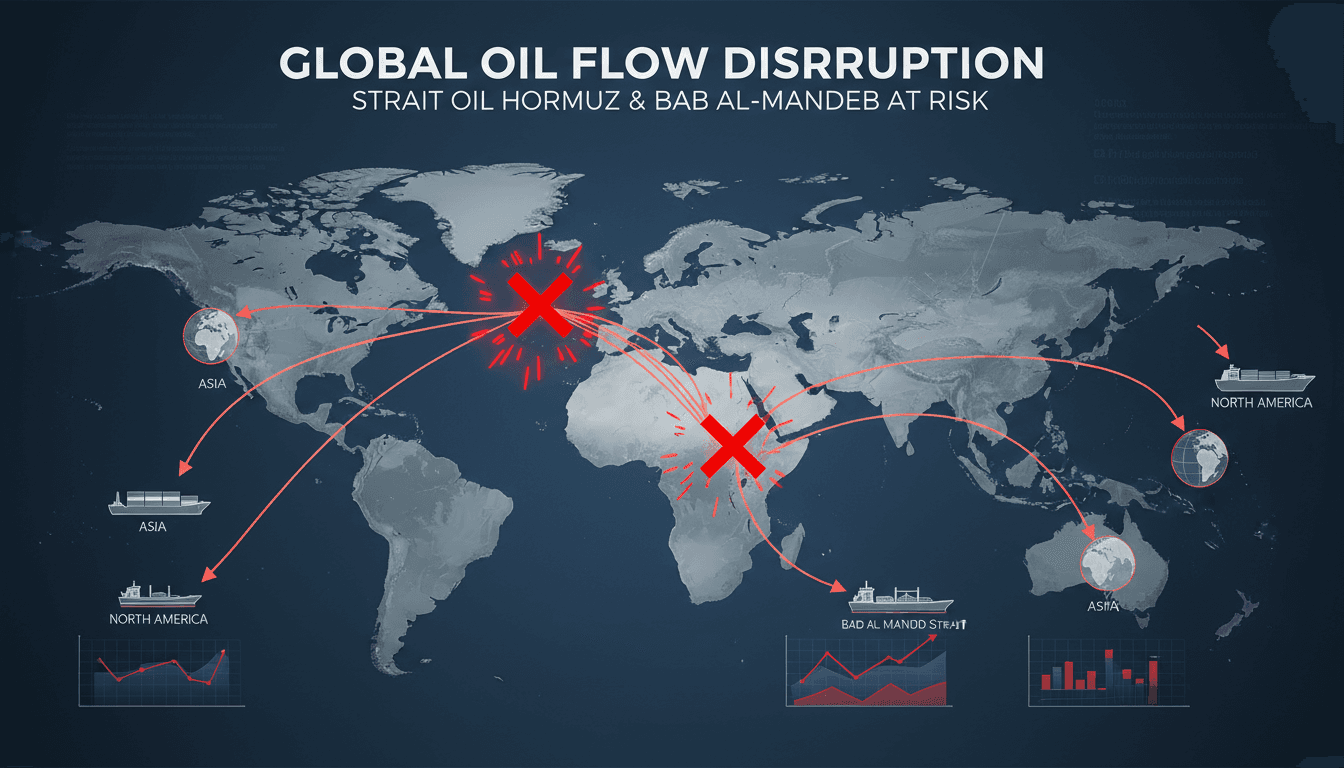
Here's what it means for you.
If tensions escalate in the Middle East, expect increased shipping costs and energy prices that could impact your daily expenses.
Why it matters
The potential loss of control over key maritime chokepoints could disrupt global energy supplies and trade routes, affecting economies worldwide.
What happened (in 30 seconds)
- An Iranian source warned U.S. President Trump that threats of a naval blockade on the Strait of Hormuz could lead to losing control over the Bab al-Mandeb Strait.
- U.S.-Iran negotiations in Islamabad collapsed, with no agreement reached, prompting heightened rhetoric from Trump regarding military action.
- Oil prices surged following these developments, as fears of a significant energy shortfall began to circulate.
The context you actually need
- U.S.-Iran tensions have escalated since early 2026, with Iran imposing restrictions on shipping through the Strait of Hormuz, disrupting about 20% of global oil flows.
- The Bab al-Mandeb Strait is a crucial maritime route for oil and trade, connecting the Red Sea to the Gulf of Aden, and any disruption here could have global repercussions.
- Houthi-aligned actions in Yemen have already reduced shipping transits through the Bab al-Mandeb by 75%, further complicating the regional trade landscape.
What's really happening
The geopolitical landscape in the Middle East is increasingly fraught as U.S.-Iran negotiations have stalled, leading to a dangerous escalation of threats and counter-threats. The U.S. has accused Iran of imposing restrictions on shipping through the Strait of Hormuz, which is vital for global oil transportation. Approximately 20% of the world’s oil supply passes through this narrow waterway, making it a focal point for international trade and energy security.
In response to U.S. Vice President JD Vance's declaration that no agreement was reached in Islamabad, President Trump has ramped up his rhetoric, threatening a naval blockade of Hormuz and the destruction of Iranian infrastructure. Such threats, however, have been dismissed by Iranian officials, who argue that they lack credibility and could lead to unintended consequences, including the loss of control over the Bab al-Mandeb Strait.
The Bab al-Mandeb Strait is another critical maritime chokepoint, and Iranian allies, particularly the Houthis in Yemen, have already threatened to disrupt shipping in this area. The potential for Houthi-aligned actions to escalate in solidarity with Iran raises significant concerns about the stability of global energy supplies. If both the Strait of Hormuz and Bab al-Mandeb are compromised, analysts predict a potential 32% global energy shortfall, which would have immediate and severe implications for energy prices and availability.
The situation is further complicated by the economic implications for countries reliant on oil imports, particularly in Europe and Asia. As oil prices surge in response to these threats, consumers and businesses alike will feel the pinch. The ripple effects could lead to increased costs for goods and services, impacting everything from transportation to heating.
In summary, the interplay of U.S. threats, Iranian responses, and regional dynamics creates a precarious situation that could have far-reaching consequences for global trade and energy markets.
Who feels it first (and how)
- Shipping companies: Increased costs and rerouted vessels will affect logistics and delivery times.
- Energy consumers: Rising oil prices will lead to higher fuel costs for consumers and businesses.
- UAE and Saudi Arabia: Regional governments are on alert, facing potential missile threats and disruptions to their economies.
What to watch next
- U.S. military movements: Any escalation in U.S. naval presence in the region could indicate a shift towards military action, impacting global markets.
- Houthi activities: Increased attacks or threats from Houthi forces could signal a broader conflict, affecting shipping routes and energy supplies.
- Oil price fluctuations: Monitoring oil prices will provide insight into market reactions and potential economic impacts on consumers.
The Strait of Hormuz is critical for global oil transportation, with significant portions of the world's supply passing through it.
Continued tensions will lead to increased shipping costs and energy prices, affecting global markets.
The exact response from regional governments and the potential for further escalation remains uncertain.
Frequently Asked Questions
- Why it matters?
- The potential loss of control over key maritime chokepoints could disrupt global energy supplies and trade routes, affecting economies worldwide.
- What happened (in 30 seconds)?
- An Iranian source warned U.S. President Trump that threats of a naval blockade on the Strait of Hormuz could lead to losing control over the Bab al-Mandeb Strait. U.S.-Iran negotiations in Islamabad collapsed, with no agreement reached, prompting heightened rhetoric from Trump regarding military action. Oil prices surged following these developments, as fears of a significant energy shortfall began to circulate.
- What's really happening?
- The geopolitical landscape in the Middle East is increasingly fraught as U.S.-Iran negotiations have stalled, leading to a dangerous escalation of threats and counter-threats. The U.S. has accused Iran of imposing restrictions on shipping through the Strait of Hormuz, which is vital for global oil transportation. Approximately 20% of the world’s oil supply passes through this narrow waterway, making it a focal point for international trade and energy security. In response to U.S. Vice President
- Who feels it first (and how)?
- Shipping companies: Increased costs and rerouted vessels will affect logistics and delivery times. Energy consumers: Rising oil prices will lead to higher fuel costs for consumers and businesses. UAE and Saudi Arabia: Regional governments are on alert, facing potential missile threats and disruptions to their economies.
- What to watch next?
- U.S. military movements: Any escalation in U.S. naval presence in the region could indicate a shift towards military action, impacting global markets. Houthi activities: Increased attacks or threats from Houthi forces could signal a broader conflict, affecting shipping routes and energy supplies. Oil price fluctuations: Monitoring oil prices will provide insight into market reactions and potential economic impacts on consumers.
Arabic-language coverage of international news and geopolitics.
"RT Arabic is a Russian state-funded outlet often criticized for promoting Kremlin-aligned narratives."
— A47 Editor
مصدر إيراني لـ"تسنيم": على ترامب أن يقلق.. فقد يفقد مضيق باب المندب أيضا
An Iranian source responded to recent statements by U.S. President Donald Trump regarding the imposition of a maritime blockade on Iran and restrictions on shipping through the Strait of Hormuz. The source indicated that Trump should also be concerne...
Arabic-language coverage of international news and geopolitics.
"RT Arabic is a Russian state-funded outlet often criticized for promoting Kremlin-aligned narratives."
— A47 Editor
ترامب يتوعد إيران.. حصار مضيق هرمز وتدمير شامل
Former President Donald Trump has issued a stern warning to Iran, threatening a blockade of the Strait of Hormuz and comprehensive destruction. This statement underscores escalating tensions between the United States and Iran, particularly regarding ...
Arabic-language coverage of international news and geopolitics.
"RT Arabic is a Russian state-funded outlet often criticized for promoting Kremlin-aligned narratives."
— A47 Editor
ترامب: على الدول العربية الانضمام إلى الحصار البحري لإيران
In a recent interview with Fox News, U.S. President Donald Trump emphasized the necessity for Arab nations in the Gulf to join the maritime blockade imposed by Washington on Iran in the Strait of Hormuz. This statement underscores the ongoing tension...
Pan-Arab news coverage spanning politics, business, sports, and regional affairs.
"Asharq Al-Awsat reflects a broad Arab editorial perspective with strong attention to regional geopolitics."
— A47 Editor
ترمب يعلن حصاراً بحرياً على «هرمز» بعد فشل المفاوضات
On Sunday, U.S. President Donald Trump announced that the United States would begin enforcing a maritime blockade on the Strait of Hormuz following the failure of negotiations. This decision marks a significant escalation in tensions in the region, w...