
Unilever considers separating food division to enhance personal care focus
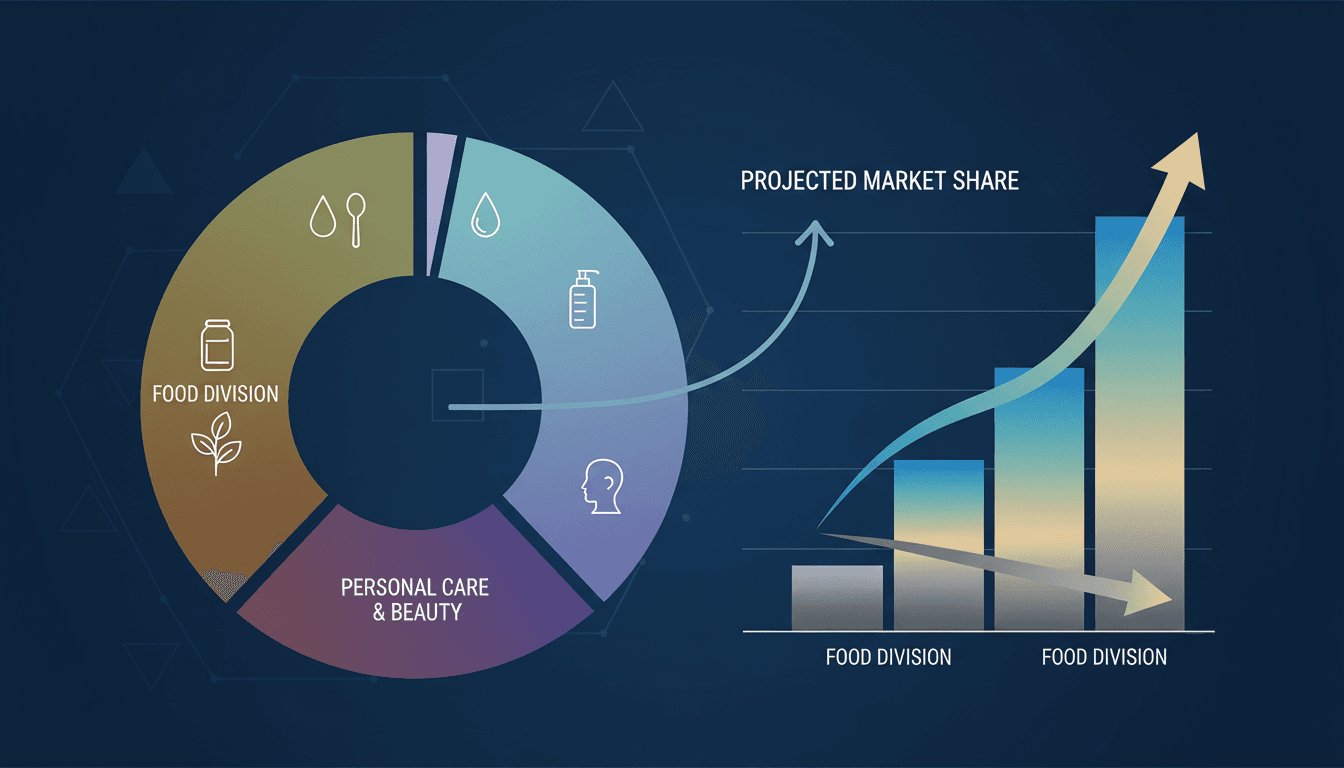
Here's what it means for you.
If you work in consumer goods or retail, this restructuring could reshape market dynamics and competitive strategies in your sector.
Why it matters
This move reflects broader trends in consumer goods, where companies are increasingly focusing on higher-growth segments to maximize shareholder value.
What happened (in 30 seconds)
- Unilever PLC is considering separating its food division, which includes brands like Hellmann's mayonnaise, to concentrate on personal care growth.
- Preliminary talks are underway to potentially merge the food assets with McCormick & Company, amid concerns about execution risks.
- Investor reaction has been cautious, with Unilever shares dropping 3.5% following the announcement due to worries about the impact on the company's focus and financial stability.
The context you actually need
- Portfolio optimization has been a key strategy for Unilever, highlighted by the 2025 spin-off of its ice cream division into The Magnum Ice Cream Company.
- Food sales growth has lagged behind Unilever's targets, with the food division reporting only 2.5% growth compared to a target of 4-6%, while beauty and personal care segments grew 4.3%.
- CEO Fernando Fernandez is prioritizing "Power Brands" in personal care to enhance margins and growth, indicating a strategic shift in resource allocation.
What's really happening
On March 17, 2026, Unilever announced it is exploring the separation of its food assets, valued at approximately €30 billion, as part of its ongoing Growth Action Plan. This initiative follows the successful spin-off of its ice cream division, which was completed in 2025 and aimed at streamlining operations to focus on higher-margin products. The food division, which includes well-known brands like Hellmann's, Knorr, and Marmite, has seen a stagnation in growth, with only 2.5% underlying sales growth in 2025, falling short of the company's ambitious targets.
The potential merger with McCormick & Company, a leader in flavor and seasoning products, is seen as a strategic fit. Analysts suggest that combining these food assets could create a more robust entity capable of competing in the evolving food market. However, concerns have been raised regarding the financing of such a deal, especially given McCormick's market cap of $14.5 billion. Investors are wary of the execution risks involved in this separation, particularly in light of the recent ice cream business spin-off, which has already diverted management attention.
Unilever's decision to focus on personal care reflects a broader industry trend where consumer goods companies are pivoting towards segments that promise higher growth and profitability. The beauty and personal care market is experiencing a renaissance, driven by changing consumer preferences towards wellness and self-care. This shift is not just about product lines; it involves a fundamental rethinking of brand positioning and resource allocation.
The implications of this restructuring extend beyond Unilever. It signals to the market that companies must adapt to changing consumer demands and competitive pressures. As Unilever prioritizes its personal care brands, competitors like Nestlé and Reckitt Benckiser may also reevaluate their portfolios, potentially leading to a wave of divestitures in the consumer staples sector.
Who feels it first (and how)
- Investors: Concerned about the financial implications and execution risks associated with the separation.
- Employees: Those in the food division may face uncertainty regarding job security and future roles.
- Retailers: Changes in product availability and brand ownership could affect supply chains and merchandising strategies.
- Consumers: While immediate impacts may be minimal, shifts in brand focus could alter product offerings and marketing strategies.
What to watch next
- Market reactions: Keep an eye on Unilever's stock performance and investor sentiment as talks progress, which could indicate confidence in the strategy.
- Competitor responses: Watch for similar moves from other consumer goods companies, as they may follow Unilever's lead in divesting underperforming segments.
- Regulatory developments: Any regulatory scrutiny or challenges related to the separation could impact the timeline and feasibility of the proposed divestiture.
Unilever is in preliminary talks to separate its food division.
The focus on personal care will intensify as Unilever seeks to enhance margins and growth.
The exact structure and timeline of the proposed separation and potential merger with McCormick remain uncertain.
Frequently Asked Questions
- Why it matters?
- This move reflects broader trends in consumer goods, where companies are increasingly focusing on higher-growth segments to maximize shareholder value.
- What happened (in 30 seconds)?
- Unilever PLC is considering separating its food division, which includes brands like Hellmann's mayonnaise, to concentrate on personal care growth. Preliminary talks are underway to potentially merge the food assets with McCormick & Company, amid concerns about execution risks. Investor reaction has been cautious, with Unilever shares dropping 3.5% following the announcement due to worries about the impact on the company's focus and financial stability.
- What's really happening?
- On March 17, 2026, Unilever announced it is exploring the separation of its food assets, valued at approximately €30 billion, as part of its ongoing Growth Action Plan. This initiative follows the successful spin-off of its ice cream division, which was completed in 2025 and aimed at streamlining operations to focus on higher-margin products. The food division, which includes well-known brands like Hellmann's, Knorr, and Marmite, has seen a stagnation in growth, with only 2.5% underlying sales g
- Who feels it first (and how)?
- Investors: Concerned about the financial implications and execution risks associated with the separation. Employees: Those in the food division may face uncertainty regarding job security and future roles. Retailers: Changes in product availability and brand ownership could affect supply chains and merchandising strategies. Consumers: While immediate impacts may be minimal, shifts in brand focus could alter product offerings and marketing strategies.
- What to watch next?
- Market reactions: Keep an eye on Unilever's stock performance and investor sentiment as talks progress, which could indicate confidence in the strategy. Competitor responses: Watch for similar moves from other consumer goods companies, as they may follow Unilever's lead in divesting underperforming segments. Regulatory developments: Any regulatory scrutiny or challenges related to the separation could impact the timeline and feasibility of the proposed divestiture.
U.S. business news, corporate developments, and economy.
"The Wall Street Journal is respected for deep financial and economic reporting with a center-right editorial perspective."
— A47 Editor
Why Mayo and Soap No Longer Mix for Unilever
Unilever, the parent company of Hellmann’s and Dove, is reportedly in discussions to sell its food business to McCormick, a move that could reshape the competitive landscape in the food sector. This potential merger highlights a significant shift in ...
UK and international business news, economics, and corporate coverage.
"The Guardian’s business section covers finance and markets with a progressive editorial tone."
— A47 Editor
Marmite maker Unilever in talks to merge food business with US-based McCormick
Unilever, the Anglo-Dutch company known for brands like Marmite, Dove, and Hellmann's, is currently in discussions to merge its food business with the US-based spice and seasoning manufacturer McCormick. This move follows Unilever's recent decision t...
News from the United States including domestic politics, society, and culture.
"The Guardian is known for its progressive editorial stance and in-depth analysis, often advocating for social justice, environmental issues, and liberal values."
— A47 Editor
Marmite maker Unilever in talks to merge food business with US-based McCormick
Unilever, the Anglo-Dutch company known for brands like Marmite, Dove, and Hellmann's, is currently in discussions to merge its food business with the US-based spice and seasoning manufacturer McCormick. This move follows Unilever's recent decision t...
News and current affairs from across Europe.
"The Guardian is known for its progressive editorial stance and in-depth analysis."
— A47 Editor
Marmite maker Unilever in talks to merge food business with US-based McCormick
Unilever, the Anglo-Dutch company known for brands like Marmite, Dove, and Hellmann's, is currently in discussions to merge its food business with the US-based spice and seasoning manufacturer McCormick. This move follows Unilever's recent decision t...
Market-moving headlines impacting equities, bonds, and related risk assets.
"Real-time catalysts and volatility drivers across indices and sectors."
— A47 Editor
Unilever in talks to combine food business with McCormick, WSJ reports
Unilever is reportedly in discussions to merge its food business with McCormick, according to a report by the Wall Street Journal. This potential combination could reshape the competitive landscape in the food sector, bringing together two significan...
U.S. business news, corporate developments, and economy.
"The Wall Street Journal is respected for deep financial and economic reporting with a center-right editorial perspective."
— A47 Editor
Unilever in Talks to Separate Food Business and Combine It With McCormick
Unilever is reportedly in discussions to separate its food business and merge it with McCormick, a move that could significantly alter the competitive dynamics within the food sector. This potential merger has been highlighted in a recent report by T...