
Nepal Uncovers $20 Million Insurance Fraud Scheme Targeting Everest Climbers
Here's what it means for you.
If you’re planning a trek in high-risk areas, this scandal raises questions about the integrity of rescue operations and insurance claims.
Why it matters
This scheme undermines trust in the mountaineering industry, potentially leading to stricter regulations and higher costs for climbers.
What happened (in 30 seconds)
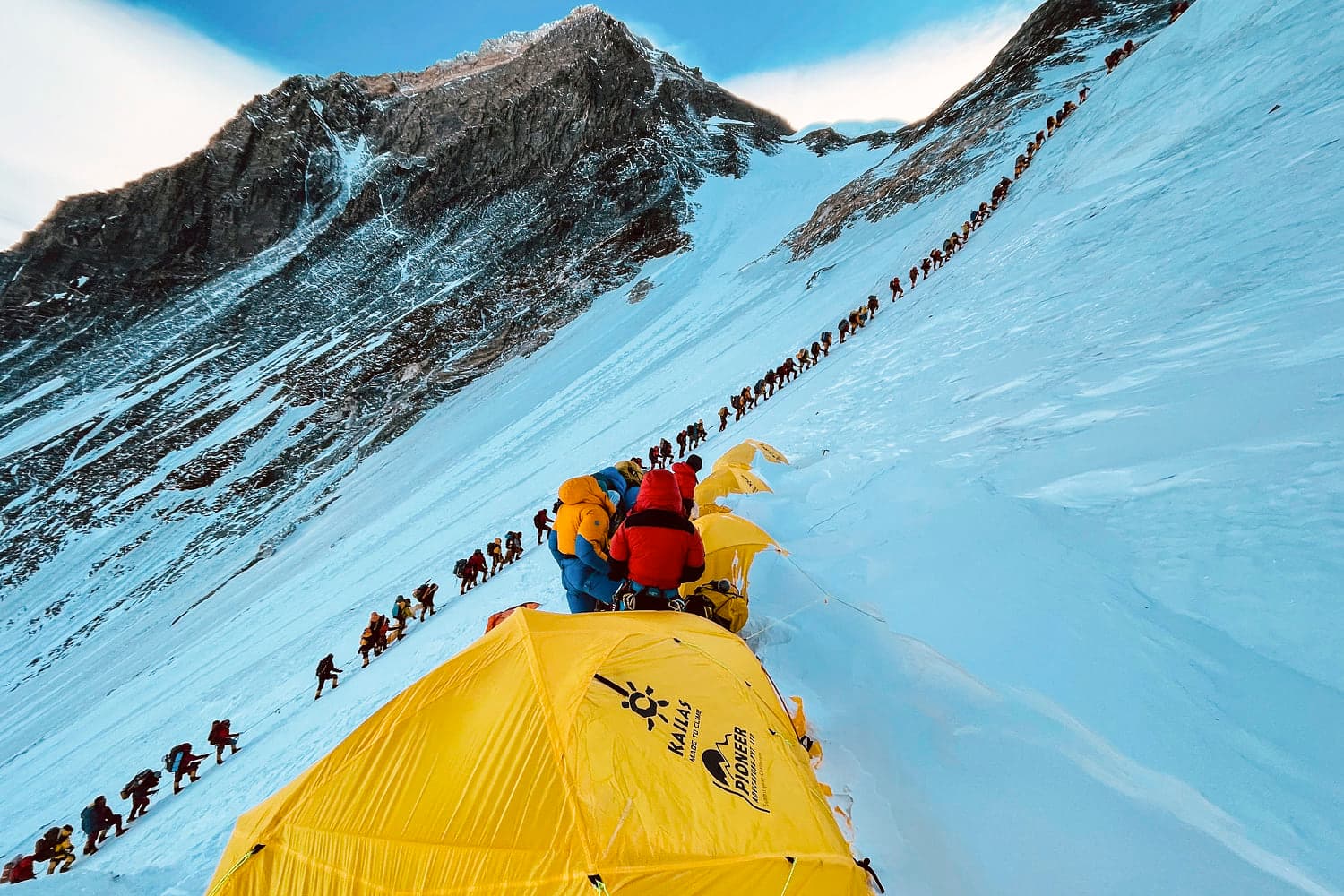
- Nepalese authorities uncovered an alleged $20 million insurance scam involving staged rescues of foreign climbers on Mount Everest between 2022 and 2025.
- Guides and rescue operators collaborated to induce medical emergencies, resulting in fraudulent insurance claims from international insurers.
- Ten individuals have been arrested and 32 guides charged as investigations by Nepal's Central Investigation Bureau continue.
The context you actually need
- Mount Everest attracts around 1,000 climbers annually, many of whom require genuine medical assistance due to extreme conditions.
- Previous lax enforcement against fraud allowed this scheme to flourish, with perpetrators inducing symptoms of altitude sickness to trigger expensive rescues.
- Approximately 4,800 climbers passed through hospitals implicated in the scheme, raising concerns about the authenticity of their treatments.
What's really happening
Between 2022 and 2025, a sophisticated fraud scheme unfolded on the slopes of Mount Everest, targeting foreign climbers who often find themselves in precarious situations. Guides, in collusion with rescue operators and hospitals in Kathmandu, allegedly orchestrated a series of staged rescues to exploit the high-risk environment of high-altitude trekking.
The scheme relied on inducing climbers into a state of medical emergency, often using baking soda to simulate symptoms of altitude sickness. This tactic was designed to trigger costly helicopter evacuations and subsequent hospital admissions, where fraudulent medical treatments were administered. The hospitals involved reportedly provided forged documentation, including outdated X-rays, to support inflated insurance claims.
The scale of the operation was significant, with nearly 4,800 international climbers treated at the implicated facilities. The total amount of fraudulent insurance claims is estimated at $20 million, a staggering figure that highlights the depth of the deception.
The Nepal Central Investigation Bureau (CIB) has taken action, resulting in the arrest of ten individuals and the charging of 32 guides. This crackdown comes as a response to growing concerns about the erosion of Nepal's reputation in the mountaineering community. Spokesperson Shiva Kumar Shrestha emphasized the targeted exploitation of climbers, particularly those already facing health challenges.
The implications of this fraud scheme extend beyond immediate legal repercussions. As investigations continue, there is a potential for increased regulatory scrutiny on trekking permits, insurance claims, and helicopter operations in the region. This could lead to higher costs for climbers, as insurers may tighten their policies and increase premiums in response to the heightened risk of fraud.
Moreover, the scandal raises broader questions about the integrity of the mountaineering industry in Nepal, a country heavily reliant on tourism and adventure sports. With the potential for stricter regulations, the landscape of high-altitude trekking could change significantly, affecting both climbers and the local economy that depends on their patronage.
Who feels it first (and how)
- Foreign climbers: Increased scrutiny and potential higher costs for insurance and rescue services.
- Local guides and operators: Possible legal repercussions and loss of business due to damaged reputations.
- Nepalese hospitals: Heightened regulatory oversight could affect operational practices and financial stability.
What to watch next
- Regulatory changes: Watch for new rules regarding trekking permits and insurance claims that could impact climber costs and safety protocols.
- Insurance industry responses: Monitor how international insurers adjust their policies and premiums in light of this fraud, which could affect coverage for high-risk activities.
- Reputation management efforts: Observe how Nepal's tourism authorities work to restore trust in the mountaineering sector, as this will influence future climbing seasons.
The alleged fraud scheme involved staged rescues and medical emergencies targeting foreign climbers.
Increased regulatory scrutiny and higher costs for climbers in the future.
The long-term impact on Nepal's tourism and mountaineering reputation.
Frequently Asked Questions
- Why it matters?
- This scheme undermines trust in the mountaineering industry, potentially leading to stricter regulations and higher costs for climbers.
- What happened (in 30 seconds)?
- Nepalese authorities uncovered an alleged $20 million insurance scam involving staged rescues of foreign climbers on Mount Everest between 2022 and 2025. Guides and rescue operators collaborated to induce medical emergencies, resulting in fraudulent insurance claims from international insurers. Ten individuals have been arrested and 32 guides charged as investigations by Nepal's Central Investigation Bureau continue.
- What's really happening?
- Between 2022 and 2025, a sophisticated fraud scheme unfolded on the slopes of Mount Everest, targeting foreign climbers who often find themselves in precarious situations. Guides, in collusion with rescue operators and hospitals in Kathmandu, allegedly orchestrated a series of staged rescues to exploit the high-risk environment of high-altitude trekking. The scheme relied on inducing climbers into a state of medical emergency, often using baking soda to simulate symptoms of altitude sickness.
- Who feels it first (and how)?
- Foreign climbers: Increased scrutiny and potential higher costs for insurance and rescue services. Local guides and operators: Possible legal repercussions and loss of business due to damaged reputations. Nepalese hospitals: Heightened regulatory oversight could affect operational practices and financial stability.
- What to watch next?
- Regulatory changes: Watch for new rules regarding trekking permits and insurance claims that could impact climber costs and safety protocols. Insurance industry responses: Monitor how international insurers adjust their policies and premiums in light of this fraud, which could affect coverage for high-risk activities. Reputation management efforts: Observe how Nepal's tourism authorities work to restore trust in the mountaineering sector, as this will influence future climbing seasons.
24/7 international news from a French perspective in multiple languages.
"France 24 is viewed as a globally focused outlet with balanced coverage and a European perspective."
— A47 Editor
Everest guides accused of poisoning climbers in $20M scam: 32 people charged
Nepal has charged 32 individuals in connection with a multi-million-dollar insurance scam involving fraudulent helicopter rescues of trekkers, a scheme that has raised serious concerns about the integrity of the country's tourism sector. The police r...
International coverage of politics, security, and social issues.
"Global News is a mainstream Canadian outlet with a centrist editorial stance, focusing on factual reporting."
— A47 Editor
Mount Everest guides accused of targeting climbers in alleged $20M fake rescue scheme
Mount Everest guides are facing accusations of orchestrating a $20 million fake rescue scheme, where climbers were allegedly targeted for staged rescues that led to fraudulent insurance claims. This situation has raised significant concerns about the...
Comprehensive coverage of global events, politics, and international issues.
"NBC News is a mainstream outlet known for comprehensive national and international coverage with a centrist to slightly left-leaning editorial tone."
— A47 Editor
Mount Everest climbers targeted in alleged $20M rescue insurance scam
An alleged $20 million insurance scam has emerged involving climbers on Mount Everest, where Nepali authorities report that individuals were subjected to staged rescues and subsequently admitted to hospitals in Kathmandu to fraudulently claim insuran...