
Shipping Companies Avoid Strait of Hormuz Amid US-Iran Tensions and Naval Blockade
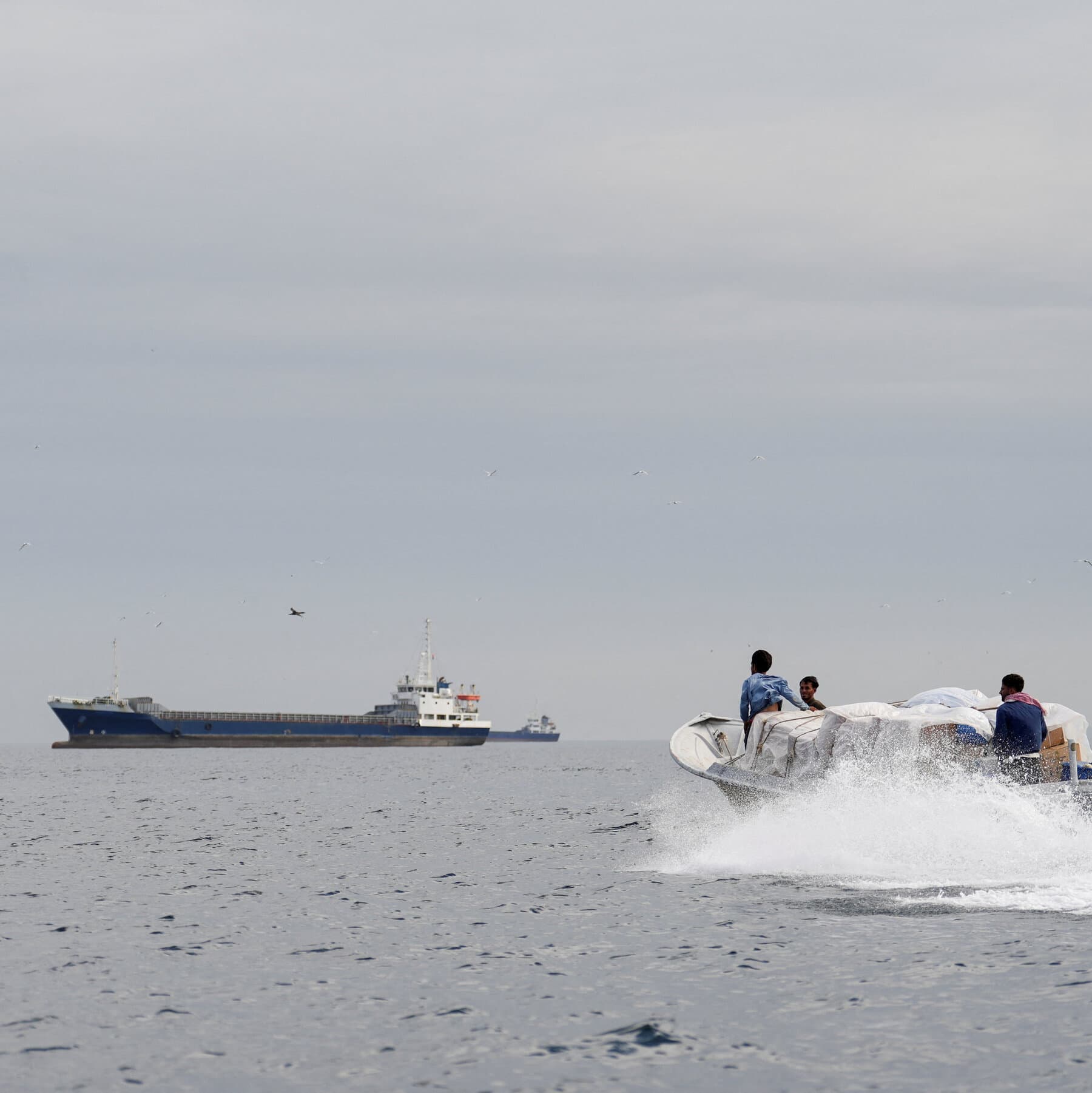
Here's what it means for you.
If you rely on global supply chains, expect rising costs and delays as shipping routes are disrupted.
Why it matters
The Strait of Hormuz is a critical chokepoint for global oil trade, and disruptions here can lead to significant economic ripple effects worldwide.
What happened (in 30 seconds)
- Shipping companies are avoiding the Strait of Hormuz due to heightened risks from Iranian controls and a U.S. naval blockade.
- Traffic levels have plummeted to below 10% of normal, with only 7 ships transiting in a 24-hour period on April 9, 2026.
- Insurance costs have surged, with war-risk surcharges of 25-40% imposed, further complicating maritime operations.
The context you actually need
- Geopolitical tensions escalated after U.S. and Israeli airstrikes on February 28, 2026, which killed Iran's Supreme Leader, leading to Iranian retaliation.
- The Strait of Hormuz handles approximately 20 million barrels of oil daily, making it vital for global energy supply; disruptions are the largest since the 1970s.
- Shipping firms like Maersk have suspended operations, and insurers have withdrawn coverage, leading to increased shipping costs and delays.
What's really happening
The current crisis in the Strait of Hormuz stems from a complex interplay of geopolitical tensions and economic incentives. Following the U.S. and Israeli airstrikes on February 28, 2026, which resulted in the death of Iran's Supreme Leader Ali Khamenei, the Iranian government, particularly the Islamic Revolutionary Guard Corps (IRGC), responded aggressively. They initiated a series of missile strikes on U.S. bases and allied positions, which escalated the conflict and led to a blockade of the Strait.
The IRGC's actions included laying mines, conducting drone attacks, and issuing warnings to vessels attempting to transit the Strait. This aggressive posture has created a perilous environment for shipping companies, which are now facing not only the threat of direct attacks but also the imposition of tolls and mandatory routing through Iranian-controlled waters. As a result, major shipping firms have opted to reroute their vessels around Africa, significantly increasing transit times and costs.
The economic implications are profound. With traffic through the Strait dropping to less than 10% of normal levels, shipping costs have surged, with estimates ranging from $1,800 to $3,800 per container. This increase is compounded by the longer transit times—over 15 days longer than usual—leading to rising fuel and grocery prices for consumers in regions reliant on these shipping routes, particularly in the UAE and Dubai.
Insurance companies have reacted by imposing steep war-risk surcharges, further discouraging shipping through the Strait. The market response has been immediate, with Brent crude prices peaking at $126 per barrel and Dubai crude reaching a record $166 per barrel. The situation has led to over 150 vessels anchoring outside the Gulf, waiting for conditions to improve.
The U.S. Central Command's enforcement of a blockade on Iranian port traffic, while allowing non-Iranian vessels to transit the Strait, adds another layer of complexity. This blockade aims to limit Iran's ability to project power in the region but also raises the stakes for shipping companies, who must navigate a treacherous geopolitical landscape.
Who feels it first (and how)
- Shipping companies: Facing increased operational costs and rerouting challenges.
- Consumers in the UAE: Experiencing rising prices for goods due to supply chain disruptions.
- Oil markets: Reacting to increased crude prices and potential supply shortages.
- Insurers: Adjusting risk assessments and premiums, impacting maritime insurance costs.
What to watch next
- Shipping traffic levels: Monitor the number of vessels transiting the Strait; a sustained increase could indicate easing tensions.
- Insurance rates: Watch for changes in war-risk surcharges, which could signal shifts in perceived risk.
- Geopolitical developments: Keep an eye on diplomatic efforts or military actions that could alter the current blockade situation.
Shipping traffic through the Strait of Hormuz has dropped to below 10% of normal levels.
Shipping costs will continue to rise as companies reroute and face increased insurance premiums.
The duration of the blockade and its long-term impact on global oil prices and supply chains.
Frequently Asked Questions
- Why it matters?
- The Strait of Hormuz is a critical chokepoint for global oil trade, and disruptions here can lead to significant economic ripple effects worldwide.
- What happened (in 30 seconds)?
- Shipping companies are avoiding the Strait of Hormuz due to heightened risks from Iranian controls and a U.S. naval blockade. Traffic levels have plummeted to below 10% of normal, with only 7 ships transiting in a 24-hour period on April 9, 2026. Insurance costs have surged, with war-risk surcharges of 25-40% imposed, further complicating maritime operations.
- What's really happening?
- The current crisis in the Strait of Hormuz stems from a complex interplay of geopolitical tensions and economic incentives. Following the U.S. and Israeli airstrikes on February 28, 2026, which resulted in the death of Iran's Supreme Leader Ali Khamenei, the Iranian government, particularly the Islamic Revolutionary Guard Corps (IRGC), responded aggressively. They initiated a series of missile strikes on U.S. bases and allied positions, which escalated the conflict and led to a blockade of the S
- Who feels it first (and how)?
- Shipping companies: Facing increased operational costs and rerouting challenges. Consumers in the UAE: Experiencing rising prices for goods due to supply chain disruptions. Oil markets: Reacting to increased crude prices and potential supply shortages. Insurers: Adjusting risk assessments and premiums, impacting maritime insurance costs.
- What to watch next?
- Shipping traffic levels: Monitor the number of vessels transiting the Strait; a sustained increase could indicate easing tensions. Insurance rates: Watch for changes in war-risk surcharges, which could signal shifts in perceived risk. Geopolitical developments: Keep an eye on diplomatic efforts or military actions that could alter the current blockade situation.
Global news coverage with extensive reporting on Middle Eastern conflicts and geopolitics.
"Al Jazeera is a Qatar-based broadcaster known for wide regional coverage and alternative perspectives."
— A47 Editor
Who controls the Strait of Hormuz?
The United States has initiated a blockade of the Strait of Hormuz, a critical maritime route for global oil shipments, following the collapse of peace negotiations with Iran. This move has escalated tensions in the region, as Iran seeks to assert mo...
Markets, economy, and company analysis from NYT’s business desk.
"The New York Times is a globally recognized newspaper offering authoritative reporting with a center-left editorial stance."
— A47 Editor
Shipping Companies Remain Reluctant to Sail Through Strait of Hormuz
Shipping companies are increasingly hesitant to navigate the Strait of Hormuz following the United States' announcement to block vessels conducting business with Iran. This decision comes amid escalating tensions and the collapse of peace negotiation...
Oil, metals, and agriculture: supply/demand headlines, OPEC chatter, inventories, and price action.
"Solid tape for energy and metals traders tracking macro and micro catalysts."
— A47 Editor
Oil tankers steer clear of Hormuz ahead of US blockade
Oil tankers are avoiding the Strait of Hormuz following the U.S. announcement of a blockade, which escalates tensions in the region amid failed negotiations between the U.S. and Iran. This blockade is a response to the breakdown of peace talks, highl...