
GCC Secretary-General Criticizes UN Security Council for Vetoing Resolution on Iranian Threats
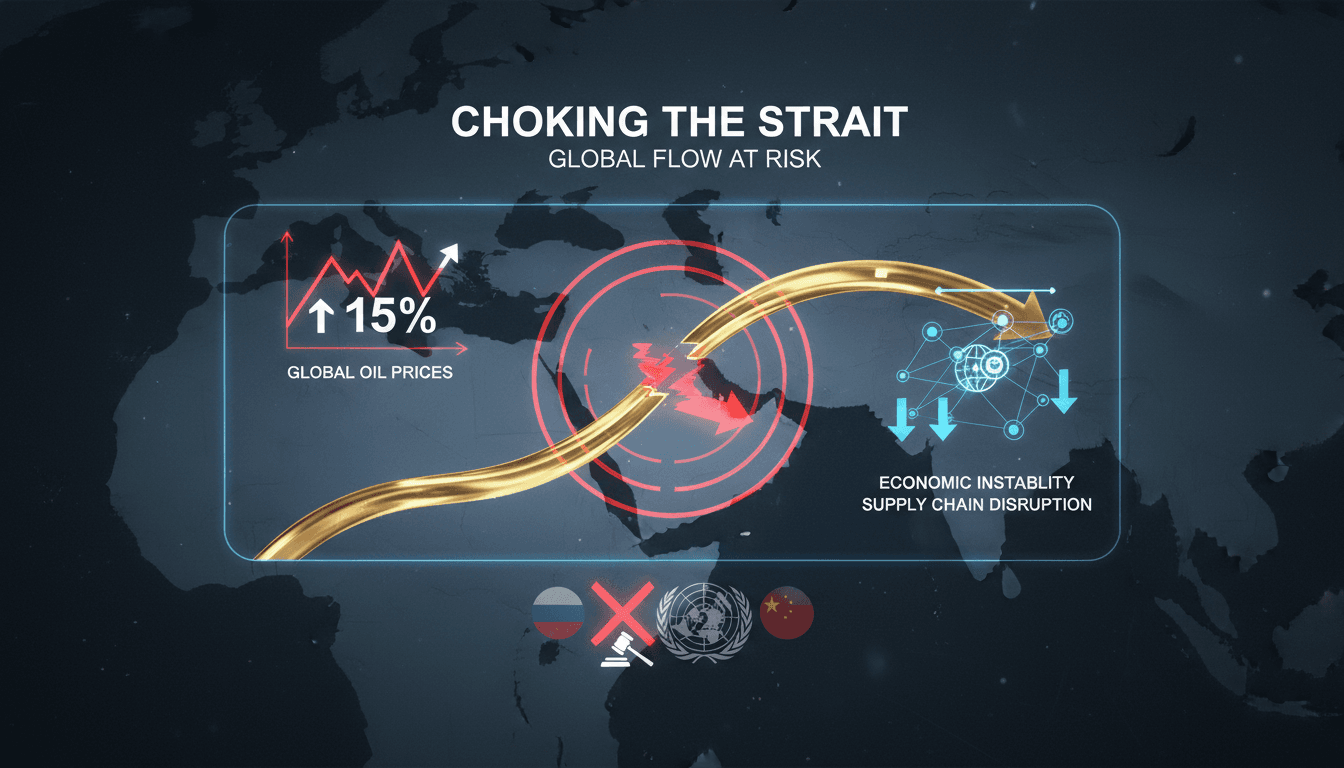
Here's what it means for you.
If you rely on global oil markets or import goods, rising tensions in the Strait of Hormuz could directly impact your costs.
Why it matters
The Strait of Hormuz is a critical chokepoint for global oil supply, and disruptions here can lead to significant economic repercussions worldwide.
What happened (in 30 seconds)
- On April 7, 2026, Russia and China vetoed a Bahrain-sponsored UN Security Council resolution aimed at stopping Iranian attacks on commercial vessels.
- The resolution received 11 votes in favor, with abstentions from Colombia and Pakistan, highlighting a divide in international response to Iranian actions.
- GCC Secretary-General Jassim Mohamed Al-Budaiwi condemned the veto, stating it encourages further Iranian violations and escalates regional tensions.
The context you actually need
- Tensions escalated following US-Israeli strikes on Iranian targets, leading to Iranian disruptions in maritime traffic, including attacks on commercial vessels.
- The Strait of Hormuz facilitates approximately 20% of global oil consumption, making its security vital for international energy markets.
- GCC states coordinated to sponsor the resolution amid fears of escalating attacks on vessels, ports, and energy infrastructure, which could destabilize the region further.
What's really happening
The recent veto by Russia and China against the UN Security Council resolution reflects a complex geopolitical landscape where regional security and global economic stability are at odds. The resolution aimed to address Iranian threats to navigation in the Strait of Hormuz, a vital corridor for oil shipments. With approximately 20% of the world's oil transiting through this strait, any disruption can lead to immediate spikes in oil prices and broader economic instability.
The backdrop of this veto is a series of escalating tensions between Iran and its adversaries, particularly following US-Israeli military actions against Iranian targets that began in late February 2026. In response, Iran has increased its aggressive posture, including attacks on commercial vessels and deploying naval mines, which have raised alarms among Gulf Cooperation Council (GCC) states. The GCC's push for a UN resolution was a coordinated effort to seek international support for maintaining navigation freedom and ensuring regional security.
However, the vetoes by Russia and China highlight a significant geopolitical divide. Both countries cited the resolution's one-sidedness and the need to address underlying causes, such as US-Israeli actions, rather than merely focusing on Iranian aggression. This reflects a broader trend where major powers are reluctant to support measures that may escalate tensions or undermine their strategic interests in the region.
The implications of this veto are profound. It signals to Iran that it can continue its aggressive actions without fear of significant international repercussions, potentially leading to further destabilization in the region. For GCC states, this failure to act decisively may necessitate a reevaluation of their security strategies, including increased military readiness and enhanced coordination among member states to protect their maritime interests.
Moreover, the economic ramifications are already being felt. Oil markets reacted swiftly to the news, with prices surging past $100 per barrel due to fears of supply disruptions. This spike not only affects energy costs but also has a cascading effect on the prices of imported goods, as higher freight rates and insurance premiums are passed on to consumers. In Dubai, residents are likely to see elevated fuel and energy costs, impacting household budgets and overall economic stability.
Who feels it first (and how)
- Oil and gas companies: Increased operational costs and potential supply chain disruptions.
- Consumers in the UAE: Rising fuel and energy prices leading to higher household expenses.
- Importers and retailers: Inflationary pressures on goods due to increased shipping costs.
- Regional governments: Heightened security concerns and potential military expenditures.
What to watch next
- Oil price fluctuations: Monitoring how prices respond to ongoing tensions will indicate the market's perception of risk in the region.
- GCC military coordination: Look for increased joint military exercises or security agreements among GCC states as they respond to the perceived threat from Iran.
- Diplomatic efforts: Watch for any new initiatives aimed at mediating tensions, particularly from neutral parties that may seek to stabilize the situation.
The Strait of Hormuz is crucial for global oil supply, with 20% of consumption passing through.
Continued Iranian aggression in maritime areas, leading to further international tensions.
The long-term effectiveness of GCC coordination efforts in response to Iranian threats.
Frequently Asked Questions
- Why it matters?
- The Strait of Hormuz is a critical chokepoint for global oil supply, and disruptions here can lead to significant economic repercussions worldwide.
- What happened (in 30 seconds)?
- On April 7, 2026, Russia and China vetoed a Bahrain-sponsored UN Security Council resolution aimed at stopping Iranian attacks on commercial vessels. The resolution received 11 votes in favor, with abstentions from Colombia and Pakistan, highlighting a divide in international response to Iranian actions. GCC Secretary-General Jassim Mohamed Al-Budaiwi condemned the veto, stating it encourages further Iranian violations and escalates regional tensions.
- What's really happening?
- The recent veto by Russia and China against the UN Security Council resolution reflects a complex geopolitical landscape where regional security and global economic stability are at odds. The resolution aimed to address Iranian threats to navigation in the Strait of Hormuz, a vital corridor for oil shipments. With approximately 20% of the world's oil transiting through this strait, any disruption can lead to immediate spikes in oil prices and broader economic instability. The backdrop of this v
- Who feels it first (and how)?
- Oil and gas companies: Increased operational costs and potential supply chain disruptions. Consumers in the UAE: Rising fuel and energy prices leading to higher household expenses. Importers and retailers: Inflationary pressures on goods due to increased shipping costs. Regional governments: Heightened security concerns and potential military expenditures.
- What to watch next?
- Oil price fluctuations: Monitoring how prices respond to ongoing tensions will indicate the market's perception of risk in the region. GCC military coordination: Look for increased joint military exercises or security agreements among GCC states as they respond to the perceived threat from Iran. Diplomatic efforts: Watch for any new initiatives aimed at mediating tensions, particularly from neutral parties that may seek to stabilize the situation.
Arabic-language coverage of international news and geopolitics.
"RT Arabic is a Russian state-funded outlet often criticized for promoting Kremlin-aligned narratives."
— A47 Editor
أمين مجلس التعاون: فشل مجلس الأمن في اعتماد قرار لوقف تهديد حرية الملاحة يسهم في تفاقم الاعتداءات
Jassim Mohammed Al-Budaiwi, the Secretary-General of the Gulf Cooperation Council, expressed strong condemnation of the United Nations Security Council's failure to adopt a resolution aimed at the immediate cessation of threats in the Strait of Hormu...
Arabic-language coverage of political affairs and current events.
"Okaz political coverage typically follows mainstream Saudi framing on national and regional affairs."
— A47 Editor
البديوي: عدم إقرار المشروع يشجع إيران على اعتداءاتها الآثمة
Jassim Al-Budaiwi, the Secretary-General of the Gulf Cooperation Council, condemned the failure of the United Nations Security Council to adopt a resolution aimed at immediately halting threats to international navigation in the Strait of Hormuz. He ...
Arabic-language UAE newspaper coverage focused on domestic affairs, public institutions, business, society, and regional developments.
"Al Khaleej coverage generally reflects a mainstream UAE editorial lens with strong attention to public affairs, institutions, and regional developments."
— A47 Editor
«التعاون الخليجي»: التحديات اختبار حقيقي لقدرتنا على حماية مكتسباتنا
Jassim Mohammed Al-Budaiwi, the Secretary-General of the Gulf Cooperation Council (GCC), emphasized that the escalating challenges faced by member states serve as a true test of their ability to safeguard their achievements.
Pan-Arab news coverage spanning politics, business, sports, and regional affairs.
"Asharq Al-Awsat reflects a broad Arab editorial perspective with strong attention to regional geopolitics."
— A47 Editor
البديوي: تحديات المنطقة اختبار حقيقي لقدراتنا على حماية مكتسباتنا
Jassim Al-Budaiwi, the Secretary-General of the Gulf Cooperation Council, emphasized that the challenges facing the region serve as a true test of the ability to protect achievements and ensure the continuity of vital sectors with efficiency and stab...