
Pakistan Mediates US-Iran Ceasefire Including Lebanon
Here's what it means for you.
The recent ceasefire agreement could stabilize oil prices and reduce geopolitical tensions, impacting global markets and consumer costs.
Why it matters
This ceasefire marks a pivotal moment in Middle Eastern diplomacy, with potential implications for global energy markets and regional security.
What happened (in 30 seconds)
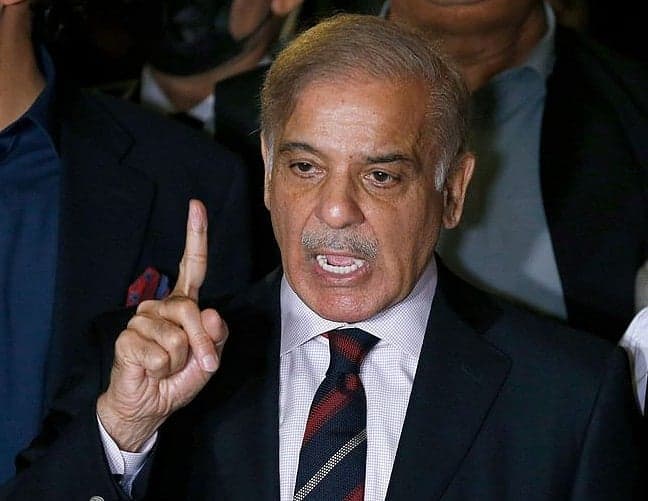
- April 8, 2026: Pakistan Prime Minister Shehbaz Sharif announced a ceasefire agreement between the US, Iran, and their allies, effective immediately.
- Conflict background: The ceasefire follows a five-week conflict initiated by US-Israeli strikes on Iran, which resulted in significant regional escalations.
- Next steps: Delegations from the US and Iran are invited to Islamabad for further negotiations on April 10, 2026.
The context you actually need
- Conflict origins: The hostilities began on February 28, 2026, when US-Israeli strikes killed Iran's supreme leader, leading to Iranian retaliation and Hezbollah's involvement.
- Pakistan's role: Leveraging its diplomatic ties, Pakistan facilitated communication between the conflicting parties, positioning itself as a mediator.
- Market implications: The Strait of Hormuz, a critical oil transport route, is vital for global energy supply, with approximately 20% of the world's oil passing through it.
What's really happening
The ceasefire announcement by Prime Minister Shehbaz Sharif is a significant diplomatic achievement, reflecting a complex interplay of regional power dynamics and international interests. The conflict that preceded this agreement was ignited by US-Israeli military actions against Iran, which not only escalated tensions but also threatened the stability of the entire Middle East.
The immediate catalyst for the ceasefire was the mounting pressure from the international community, particularly as the conflict began to disrupt global oil supplies. The Strait of Hormuz, which serves as a conduit for about 20% of the world's oil, became a focal point of concern. Disruptions in this region could have led to skyrocketing oil prices, impacting economies far beyond the Middle East, including those heavily reliant on oil imports.
Pakistan's mediation role is noteworthy. By facilitating dialogue between the US and Iran, Islamabad has positioned itself as a key player in regional diplomacy, leveraging its relationships with both Washington and Tehran. The invitation for further negotiations in Islamabad indicates a willingness from both sides to explore a more comprehensive agreement, potentially addressing broader issues such as sanctions and military presence in the region.
Iran's 10-point plan, which includes demands for sanction lifts and control over the Strait of Hormuz, reflects its strategic interests and the need for a face-saving diplomatic resolution. The US's acceptance of this plan as workable suggests a shift in its approach, possibly influenced by the urgent need to stabilize oil markets and prevent further escalation.
The aftermath of the ceasefire announcement saw a significant drop in oil prices, with an 11-15% plunge reflecting market relief over the potential reopening of the Strait of Hormuz. This decline is crucial for oil-dependent economies, particularly in the Gulf, where elevated fuel costs had begun to threaten economic stability and growth.
Who feels it first (and how)
- Oil markets: Traders and investors will see immediate impacts on oil prices, affecting global supply chains and consumer costs.
- Middle Eastern economies: Countries like the UAE and Saudi Arabia, heavily reliant on oil exports, will benefit from stabilized energy flows.
- Consumers: Individuals in oil-importing nations may experience reduced fuel prices, impacting transportation and goods costs.
What to watch next
- Negotiation outcomes: The April 10 talks in Islamabad will be critical in determining the longevity and scope of the ceasefire. Success could lead to a more stable regional environment.
- Iran's compliance: Monitoring Iran's adherence to the ceasefire and its 10-point plan will be essential. Any violations could reignite tensions and disrupt oil markets.
- Global oil prices: Watch for fluctuations in oil prices as the market reacts to developments in the ceasefire agreement. Price stability is crucial for global economic health.
The ceasefire is effective immediately and includes Lebanon.
Ongoing negotiations will shape the future of US-Iran relations and regional stability.
The long-term implications of Iran's demands and the US's willingness to accommodate them remain uncertain.
Frequently Asked Questions
- Why it matters?
- This ceasefire marks a pivotal moment in Middle Eastern diplomacy, with potential implications for global energy markets and regional security.
- What happened (in 30 seconds)?
- April 8, 2026: Pakistan Prime Minister Shehbaz Sharif announced a ceasefire agreement between the US, Iran, and their allies, effective immediately. Conflict background: The ceasefire follows a five-week conflict initiated by US-Israeli strikes on Iran, which resulted in significant regional escalations. Next steps: Delegations from the US and Iran are invited to Islamabad for further negotiations on April 10, 2026.
- What's really happening?
- The ceasefire announcement by Prime Minister Shehbaz Sharif is a significant diplomatic achievement, reflecting a complex interplay of regional power dynamics and international interests. The conflict that preceded this agreement was ignited by US-Israeli military actions against Iran, which not only escalated tensions but also threatened the stability of the entire Middle East. The immediate catalyst for the ceasefire was the mounting pressure from the international community, particularly as
- Who feels it first (and how)?
- Oil markets: Traders and investors will see immediate impacts on oil prices, affecting global supply chains and consumer costs. Middle Eastern economies: Countries like the UAE and Saudi Arabia, heavily reliant on oil exports, will benefit from stabilized energy flows. Consumers: Individuals in oil-importing nations may experience reduced fuel prices, impacting transportation and goods costs.
- What to watch next?
- Negotiation outcomes: The April 10 talks in Islamabad will be critical in determining the longevity and scope of the ceasefire. Success could lead to a more stable regional environment. Iran's compliance: Monitoring Iran's adherence to the ceasefire and its 10-point plan will be essential. Any violations could reignite tensions and disrupt oil markets. Global oil prices: Watch for fluctuations in oil prices as the market reacts to developments in the ceasefire agreement. Price stability is c
International coverage from The Guardian's global desks.
"The Guardian is known for its progressive editorial stance and in-depth analysis."
— A47 Editor
Middle East crisis live: Iran war ceasefire doesn’t include Lebanon, says Israel; Trump says uranium will be ‘taken care of’
A provisional ceasefire has been agreed upon between the U.S. and Iran, allowing for the reopening of the Strait of Hormuz for two weeks, despite Israel's assertion that the ceasefire does not extend to Lebanon. This agreement follows escalating tens...
UAE-based newspaper covering Gulf politics, society, and international developments.
"Gulf News is one of the UAE’s most prominent English-language publications."
— A47 Editor
Pakistan PM says US-Iran ceasefire covers 'everywhere', including Lebanon
Pakistan's Prime Minister has stated that the recently agreed ceasefire between the United States and Iran should extend to all regions, including Lebanon. This assertion comes amid ongoing military tensions and conflicts in the Middle East, particul...
A curated Gulf News feed featuring major stories across news, business, opinion, and lifestyle.
"Gulf News is a major UAE newspaper whose featured stories feed reflects a broad editorial mix shaped for a Gulf audience."
— A47 Editor
Pakistan PM says US-Iran ceasefire covers 'everywhere', including Lebanon
Pakistan's Prime Minister has stated that the recently agreed ceasefire between the United States and Iran should extend to all regions, including Lebanon. This assertion comes amid ongoing military tensions and conflicts in the Middle East, particul...
Research, news, and analysis on blockchain startups, DeFi, and regulations.
"Crypto Briefing provides research, news, and analysis on blockchain startups, DeFi, and crypto regulations with investor-focused coverage."
— A47 Editor
Pakistan: US-Iran ceasefire extends to Israel-Hezbollah conflict in Lebanon
A ceasefire between the United States and Iran has been announced, extending to the Israel-Hezbollah conflict in Lebanon, potentially stabilizing regional tensions. This development follows a proposal from Pakistan and aims to alleviate escalating ge...