
Volkswagen Halts ID.4 Electric SUV Production in U.S. to Focus on Gasoline Models
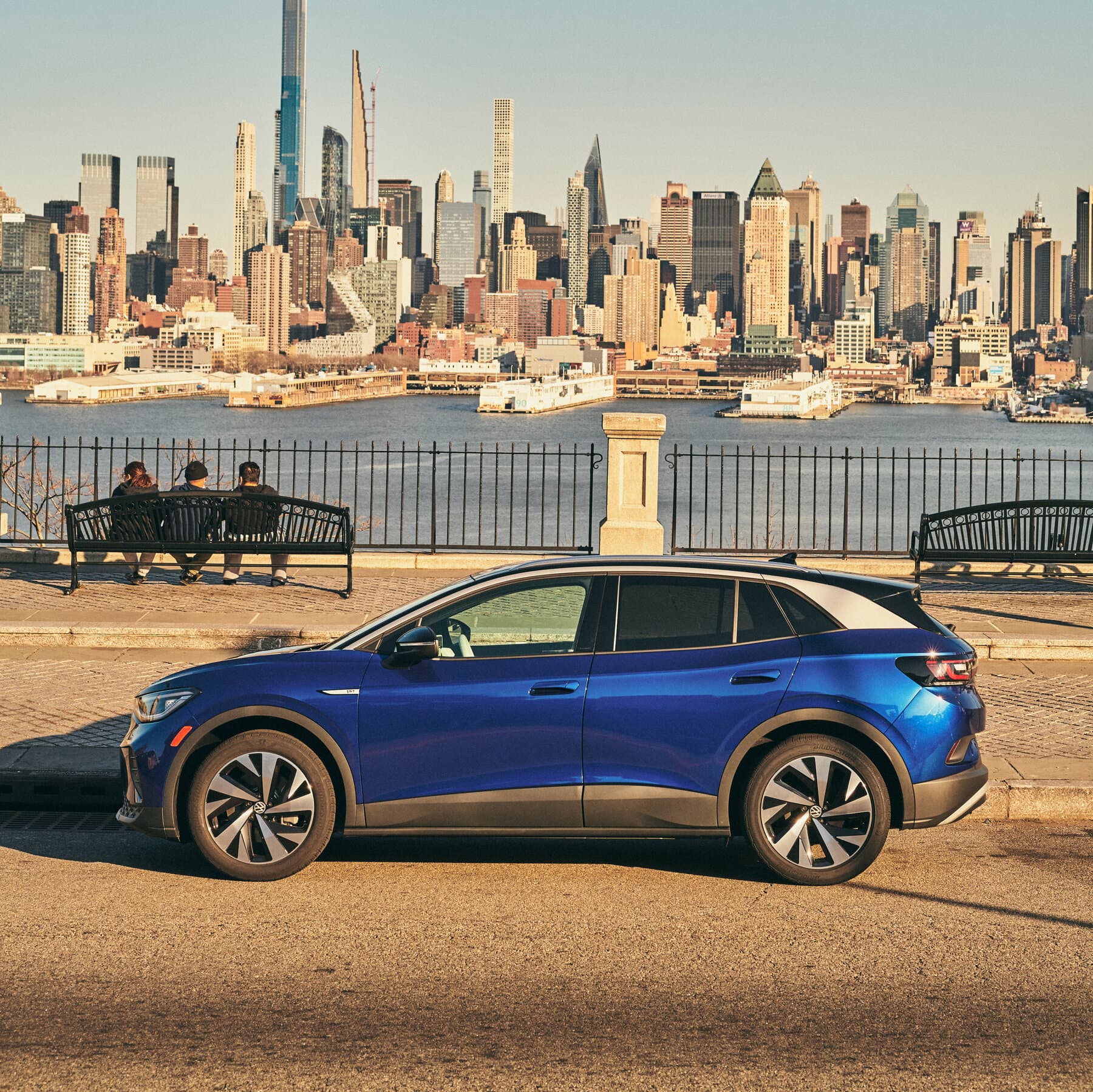
Here's what it means for you.
The decision by Volkswagen to halt electric SUV production signals a significant shift in the automotive landscape, impacting consumers and industry stakeholders alike.
Why it matters
This move reflects broader trends in the U.S. automotive market, particularly the declining demand for electric vehicles amid changing federal policies.
What happened (in 30 seconds)
- Volkswagen announced on April 9, 2026, it will stop producing the ID.4 electric SUV at its Chattanooga plant by mid-April.
- The decision is driven by a 62% year-over-year drop in ID.4 sales, attributed to the elimination of federal tax credits for EVs.
- Production will pivot to gasoline-powered Atlas SUVs, with redesigned models expected to launch in summer 2026.
The context you actually need
- Volkswagen invested $800 million to establish EV production in Chattanooga, starting ID.4 assembly in July 2022.
- The U.S. EV market has faced a downturn, with major players like GM and Ford also scaling back their electric vehicle plans following policy shifts.
- Workers at the plant will have options for reassignment or early retirement, as Volkswagen aims to avoid immediate layoffs.
What's really happening
Volkswagen's decision to end ID.4 production at its Chattanooga plant is a direct response to a significant decline in electric vehicle sales in the United States. The company reported a staggering 62% drop in ID.4 sales in the fourth quarter of 2025, with only about 250 units sold. This decline can be traced back to the elimination of the $7,500 federal tax credit for electric vehicles, which was a crucial incentive for many consumers considering an EV purchase.
As the market for electric vehicles contracts, Volkswagen is reallocating its resources to produce gasoline-powered Atlas SUVs, which are currently in higher demand. The Chattanooga plant will transition to this new production line, with redesigned Atlas models set to hit the market in summer 2026 for the 2027 sales cycle. This pivot reflects a broader industry trend where automakers are reassessing their electric vehicle strategies in light of changing consumer preferences and government policies that currently favor fossil fuel vehicles.
The decision also highlights the challenges faced by the EV market in the U.S., where sales have been hampered by the removal of tax incentives and rising gasoline prices. Competitors like GM, Ford, and Stellantis are similarly scaling back their electric vehicle ambitions, signaling a potential retrenchment from the aggressive EV expansion plans that characterized the previous years.
Volkswagen's Chattanooga plant, which employs approximately 3,800 workers, had previously unionized with the United Auto Workers (UAW) in April 2024. The company has communicated its plans to the UAW and employees, offering job transitions or early retirement options to affected workers. This approach aims to mitigate the impact of the production halt on the workforce, avoiding immediate layoffs and maintaining labor relations.
The broader implications of this shift are significant. As automakers reconsider their electric vehicle strategies, consumers may face fewer options in the EV market, while the industry's trajectory toward electrification may slow down. The decision also raises questions about the future of EV incentives and the potential for renewed support from policymakers to stimulate demand in this sector.
Who feels it first (and how)
- Volkswagen employees: Workers at the Chattanooga plant will need to navigate job transitions or consider early retirement.
- Consumers: Potential buyers of electric vehicles may find fewer options available, impacting their purchasing decisions.
- Automotive industry stakeholders: Investors and suppliers may need to adjust their strategies in response to shifting production priorities.
What to watch next
- Sales trends for gasoline vehicles: A continued rise in gasoline vehicle sales could indicate a longer-term shift away from EVs.
- Policy changes regarding EV incentives: Any new federal or state incentives could influence consumer interest in electric vehicles.
- Competitor responses: Watch how other automakers adapt their strategies in light of Volkswagen's decision and the overall market environment.
Volkswagen will cease ID.4 production and shift to gasoline-powered Atlas models.
Other automakers may follow suit in scaling back EV production amid declining sales and policy shifts.
The long-term impact on the U.S. electric vehicle market and consumer preferences remains uncertain.
Frequently Asked Questions
- Why it matters?
- This move reflects broader trends in the U.S. automotive market, particularly the declining demand for electric vehicles amid changing federal policies.
- What happened (in 30 seconds)?
- Volkswagen announced on April 9, 2026, it will stop producing the ID.4 electric SUV at its Chattanooga plant by mid-April. The decision is driven by a 62% year-over-year drop in ID.4 sales, attributed to the elimination of federal tax credits for EVs. Production will pivot to gasoline-powered Atlas SUVs, with redesigned models expected to launch in summer 2026.
- What's really happening?
- Volkswagen's decision to end ID.4 production at its Chattanooga plant is a direct response to a significant decline in electric vehicle sales in the United States. The company reported a staggering 62% drop in ID.4 sales in the fourth quarter of 2025, with only about 250 units sold. This decline can be traced back to the elimination of the $7,500 federal tax credit for electric vehicles, which was a crucial incentive for many consumers considering an EV purchase. As the market for electric veh
- Who feels it first (and how)?
- Volkswagen employees: Workers at the Chattanooga plant will need to navigate job transitions or consider early retirement. Consumers: Potential buyers of electric vehicles may find fewer options available, impacting their purchasing decisions. Automotive industry stakeholders: Investors and suppliers may need to adjust their strategies in response to shifting production priorities.
- What to watch next?
- Sales trends for gasoline vehicles: A continued rise in gasoline vehicle sales could indicate a longer-term shift away from EVs. Policy changes regarding EV incentives: Any new federal or state incentives could influence consumer interest in electric vehicles. Competitor responses: Watch how other automakers adapt their strategies in light of Volkswagen's decision and the overall market environment.
Tech industry coverage with AI angles.
"Mainstream tech news intersecting with AI policy and culture."
— A47 Editor
Volkswagen to End E.V. Production at Tennessee Plant
Volkswagen has announced it will cease production of the ID.4, its only electric vehicle manufactured in the United States, at its Tennessee plant, citing declining sales as a primary reason for this decision. This move marks a significant shift in t...
Markets, economy, and company analysis from NYT’s business desk.
"The New York Times is a globally recognized newspaper offering authoritative reporting with a center-left editorial stance."
— A47 Editor
Volkswagen to End E.V. Production at Tennessee Plant
Volkswagen has announced it will cease production of the ID.4, its only electric vehicle manufactured in the United States, at its Tennessee plant, citing declining sales as a primary reason for this decision. This move marks a significant shift in t...
Tech policy, trends, and innovation news.
"The New York Times is a globally recognized newspaper offering authoritative reporting with a center-left editorial stance."
— A47 Editor
Volkswagen to End E.V. Production at Tennessee Plant
Volkswagen has announced it will cease production of the ID.4, its only electric vehicle manufactured in the United States, at its Tennessee plant, citing declining sales as a primary reason for this decision. This move marks a significant shift in t...
In-depth reporting on tech, policy, and science including AI.
"Respected analysis for technically savvy readers, including AI topics."
— A47 Editor
Volkswagen stops building ID.4s in the US, has inventory "into 2027"
Volkswagen has announced the cessation of ID.4 production in the United States, citing an existing inventory that is expected to last until 2027. This decision reflects a significant shift in the company's strategy regarding electric vehicles (EVs) i...
In-depth coverage of hardware, software, science, and policy.
"Ars Technica provides expert technology news, hardware reviews, and analysis for a technically savvy audience."
— A47 Editor
Volkswagen stops building ID.4s in the US, has inventory "into 2027"
Volkswagen has announced the cessation of ID.4 production in the United States, citing an existing inventory that is expected to last until 2027. This decision reflects a significant shift in the company's strategy regarding electric vehicles (EVs) i...
U.S. business news, corporate developments, and economy.
"The Wall Street Journal is respected for deep financial and economic reporting with a center-right editorial perspective."
— A47 Editor
Volkswagen to End U.S. Production of Its Only American-Made EV
Volkswagen has announced the cessation of production of its only American-made electric vehicle, the ID.4, at its Tennessee plant, attributing this decision to declining sales in recent years. This marks a significant shift for the company as it navi...