
Trump Issues Ultimatum to Iran Over Strait of Hormuz Access
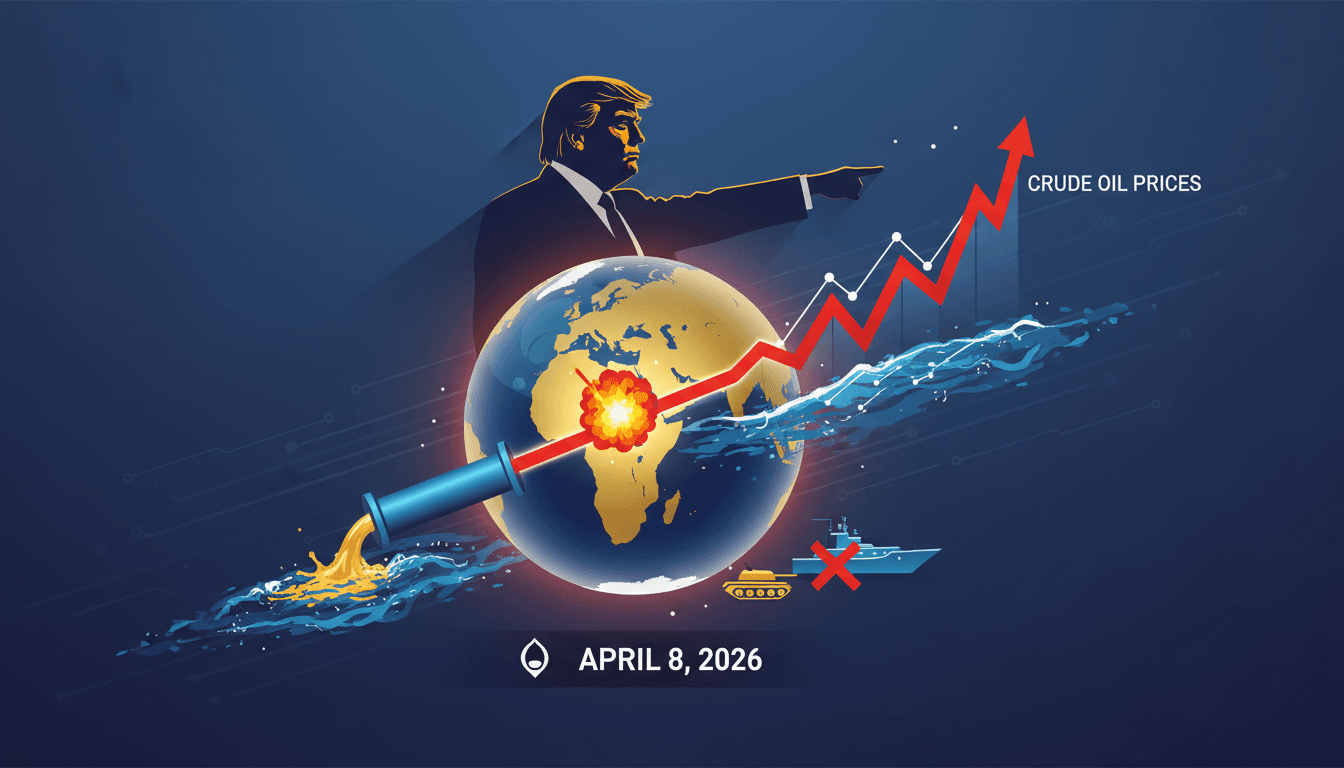
Here's what it means for you.
If you rely on global oil markets, expect rising prices and supply chain disruptions.
Why it matters
The Strait of Hormuz is critical for global oil supply, with 20% of petroleum liquids transiting through it.
What happened (in 30 seconds)
- On April 6, 2026, U.S. President Donald Trump issued a deadline for Iran to reopen the Strait of Hormuz or face attacks on its infrastructure.
- Iran has closed the Strait since March 4, disrupting oil flows and escalating military tensions.
- Ongoing airstrikes and failed ceasefire negotiations have heightened fears of a broader conflict, impacting global oil prices.
The context you actually need
- The U.S.-Iran conflict escalated in early March 2026, following U.S. and Israeli strikes on Iranian military and nuclear sites, which Iran retaliated against by closing the Strait of Hormuz.
- The Strait of Hormuz is vital for global oil transport, with approximately 20 million barrels per day passing through it pre-closure, representing 20% of global petroleum liquids consumption.
- Iran's rejection of ceasefire proposals and Trump's aggressive stance have led to a stalemate, with both sides unwilling to compromise, further destabilizing the region.
What's really happening
The ultimatum issued by President Trump is a culmination of escalating tensions that began with targeted strikes on Iranian nuclear facilities in March 2026. The U.S. and Israel aimed to degrade Iran's military capabilities, fearing that its nuclear program could destabilize the region. In response, Iran closed the Strait of Hormuz, a strategic chokepoint for oil transport, effectively halting the flow of 20% of the world's petroleum liquids. This closure has significant implications for global energy markets, as it disrupts supply chains and drives up prices.
Trump's ultimatum, which includes threats to target Iranian infrastructure, is designed to pressure Tehran into compliance. However, Iran's leadership has rejected these demands, vowing to retaliate against any military action. The situation is further complicated by the fact that the U.S. has conducted over 13,000 strikes since the conflict began, indicating a robust military response that could escalate further.
The economic ramifications are already being felt, with oil prices spiking in response to the threats. U.S. crude oil prices reached $114 per barrel, reflecting the market's anxiety over potential supply disruptions. As a result, countries reliant on oil imports, particularly those in the Gulf region like the UAE, are facing increased costs for fuel and food, which could lead to broader economic instability.
Legal experts are also weighing in, suggesting that Trump's proposed attacks on Iranian infrastructure could violate international law, raising the stakes for the U.S. administration. Allies, including the UK and NATO, have criticized the lack of coordinated action, indicating a potential rift in international relations as the situation unfolds.
Overall, the combination of military threats, economic implications, and international legal considerations creates a complex landscape that could lead to further escalation or, conversely, a diplomatic resolution if both sides can find common ground.
Who feels it first (and how)
- Oil consumers: Rising fuel prices will directly impact households and businesses reliant on petroleum products.
- Logistics companies: Disruptions in oil supply will affect transportation costs and delivery schedules.
- Investors in energy markets: Volatility in oil prices will create uncertainty, affecting stock valuations and investment strategies.
- Residents of Dubai: Increased costs for fuel and food imports will strain budgets, especially as Brent crude prices fluctuate.
What to watch next
- Iran's response to U.S. threats: How Iran chooses to react will significantly influence regional stability and global oil prices.
- Negotiation developments: Any signs of renewed diplomatic efforts could indicate a potential easing of tensions and stabilization of oil markets.
- Oil price fluctuations: Monitor Brent and U.S. crude prices for indicators of market reactions to ongoing military actions and geopolitical developments.
The Strait of Hormuz is critical for global oil supply, with significant disruptions already impacting prices.
Continued military actions and threats will lead to further volatility in oil markets and potential economic consequences for oil-dependent countries.
The long-term outcome of the conflict remains uncertain, particularly regarding potential diplomatic resolutions or escalations.
Frequently Asked Questions
- Why it matters?
- The Strait of Hormuz is critical for global oil supply, with 20% of petroleum liquids transiting through it.
- What happened (in 30 seconds)?
- On April 6, 2026, U.S. President Donald Trump issued a deadline for Iran to reopen the Strait of Hormuz or face attacks on its infrastructure. Iran has closed the Strait since March 4, disrupting oil flows and escalating military tensions. Ongoing airstrikes and failed ceasefire negotiations have heightened fears of a broader conflict, impacting global oil prices.
- What's really happening?
- The ultimatum issued by President Trump is a culmination of escalating tensions that began with targeted strikes on Iranian nuclear facilities in March 2026. The U.S. and Israel aimed to degrade Iran's military capabilities, fearing that its nuclear program could destabilize the region. In response, Iran closed the Strait of Hormuz, a strategic chokepoint for oil transport, effectively halting the flow of 20% of the world's petroleum liquids. This closure has significant implications for global
- Who feels it first (and how)?
- Oil consumers: Rising fuel prices will directly impact households and businesses reliant on petroleum products. Logistics companies: Disruptions in oil supply will affect transportation costs and delivery schedules. Investors in energy markets: Volatility in oil prices will create uncertainty, affecting stock valuations and investment strategies. Residents of Dubai: Increased costs for fuel and food imports will strain budgets, especially as Brent crude prices fluctuate.
- What to watch next?
- Iran's response to U.S. threats: How Iran chooses to react will significantly influence regional stability and global oil prices. Negotiation developments: Any signs of renewed diplomatic efforts could indicate a potential easing of tensions and stabilization of oil markets. Oil price fluctuations: Monitor Brent and U.S. crude prices for indicators of market reactions to ongoing military actions and geopolitical developments.
Comprehensive coverage of global events, politics, and international issues.
"NBC News is a mainstream outlet known for comprehensive national and international coverage with a centrist to slightly left-leaning editorial tone."
— A47 Editor
Trump threatens Iran with attacks on infrastructure unless deal is struck
President Trump has issued a stark ultimatum to Iran, threatening military action against its infrastructure, including bridges and power plants, unless a deal is reached by 8 PM ET on Tuesday. He emphasized that Iran 'can be taken out in one night,'...
Focused political reporting and governmental affairs.
"NBC News is a mainstream media outlet known for comprehensive national and international news coverage with a centrist to slightly left-leaning editorial tone."
— A47 Editor
Trump threatens Iran with attacks on infrastructure unless deal is struck
President Trump has issued a stark ultimatum to Iran, threatening military action against its infrastructure, including bridges and power plants, unless a deal is reached by 8 PM ET on Tuesday. He emphasized that Iran 'can be taken out in one night,'...
International coverage of politics, culture, and current affairs.
"BBC News is widely regarded as a reputable international news organization, known for its impartial tone and public service mandate."
— A47 Editor
Trump threatens to take out Iran in 'one night' if no deal before deadline
President Donald Trump has issued a stark ultimatum to Iran, demanding the reopening of the strategic Strait of Hormuz within 48 hours or face severe military action targeting critical infrastructure. This warning follows escalating tensions after th...
UK and international business news, economics, and corporate coverage.
"The Guardian’s business section covers finance and markets with a progressive editorial tone."
— A47 Editor
Trump says Iran 'can be taken out in one night' – video
President Donald Trump has escalated threats against Iran, declaring that the country could be 'taken out in one night' if Tehran does not comply with U.S. demands regarding the reopening of the Strait of Hormuz by a specified deadline. This ultimatu...
News from the United States including domestic politics, society, and culture.
"The Guardian is known for its progressive editorial stance and in-depth analysis, often advocating for social justice, environmental issues, and liberal values."
— A47 Editor
Trump says Iran 'can be taken out in one night' – video
During a recent press conference, President Donald Trump stated that Iran 'can be taken out in one night,' indicating a potential military action against the country could occur imminently. He also set a deadline for Tehran to reach a deal by 8 PM ET...
Regional coverage and analysis focused on politics, diplomacy, and business across the Middle East.
"Al-Monitor is known for analytical reporting on Middle East politics and policy developments."
— A47 Editor
Trump says Iran could be 'taken out' on Tuesday, Hegseth says major strikes to come
U.S. President Donald Trump has issued a stark ultimatum to Iran, stating that Tehran must agree to a ceasefire deal by Tuesday night or face significant military action, including potential strikes on critical infrastructure. Trump emphasized that I...
Business, investment, entrepreneurship, leadership, and innovation.
"Forbes is known for its coverage of business leaders, market trends, and entrepreneurial ventures with a pro-business editorial stance."
— A47 Editor
Trump Escalates Iran Threats: ‘Could Be Taken Out In One Night — And That Night Might Be Tomorrow’
President Donald Trump has escalated threats against Iran, stating that the U.S. could destroy the country 'in one night' if Tehran does not agree to reopen the Strait of Hormuz by a set deadline. This ultimatum, which includes a warning that 'all he...
Right-of-center views on political news.
"The Washington Times is a conservative-leaning newspaper known for its political coverage and advocacy of right-of-center viewpoints."
— A47 Editor
Trump says deadline for debilitating strikes on Iran still in place as sides try to reach deal
President Trump has reaffirmed his deadline of 8 p.m. Tuesday for Iran to negotiate a deal, threatening military action against Iranian infrastructure if the Strait of Hormuz remains closed. This ultimatum comes amid ongoing discussions of a potentia...