
U.S. Secretary of Defense Declares Complete Destruction of Iranian Defense Industries
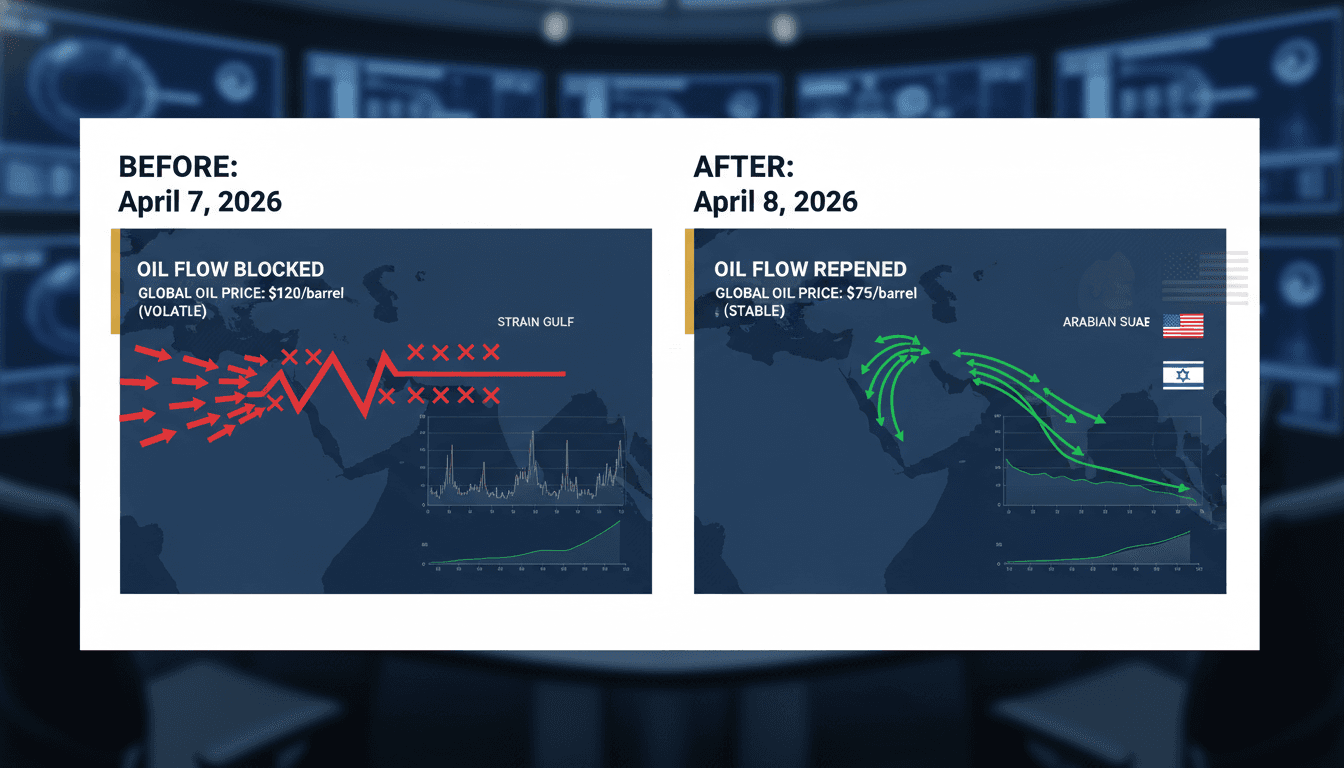
Here's what it means for you.
The reopening of the Strait of Hormuz may stabilize global oil prices, impacting energy costs and economic conditions worldwide.
Why it matters
The destruction of Iran's defense industries has significant implications for regional security and global energy markets.
What happened (in 30 seconds)
- On April 8, 2026, U.S. Secretary of Defense Pete Hegseth announced the complete destruction of Iranian defense industries through Operation Epic Fury, using only 10% of U.S. combat power.
- Iran requested a ceasefire, leading to a two-week truce and the reopening of the Strait of Hormuz for trade, which is crucial for global oil transport.
- Oil prices dropped over 20% following the announcement, reflecting immediate market reactions to the restored trade routes.
The context you actually need
- Operation Epic Fury began in early March 2026 as a response to Iranian proxy attacks and missile strikes on Israel, escalating regional tensions.
- Over 800 airstrikes targeted Iranian military infrastructure, resulting in the destruction of 13,000 targets, including strategic assets and logistic centers.
- The Trump administration indicated a potential reduction in military funding requests, reflecting a shift in U.S. military engagement in the region.
What's really happening
The recent military actions against Iran represent a significant shift in U.S. foreign policy and military strategy in the Middle East. Operation Epic Fury was initiated in response to escalating threats from Iranian proxies and direct attacks on U.S. allies, particularly Israel. The U.S. and Israel coordinated a series of airstrikes that culminated in a decisive military victory, which was characterized by the destruction of Iran's defense capabilities with minimal resource deployment.
The announcement of a ceasefire and the reopening of the Strait of Hormuz are critical developments. The Strait is a vital corridor for global oil transport, with approximately 20% of the world's oil passing through it. The restoration of this route is expected to stabilize oil prices, which had been volatile due to fears of conflict and supply disruptions. The immediate drop in oil prices by over 20% signals market relief and a potential return to pre-conflict pricing levels.
This military success also reflects a broader strategic objective: to diminish Iran's influence in the region and deter future aggression. The U.S. has long viewed Iran's military capabilities as a threat to its allies and interests, and this operation serves as a warning against further provocations. The use of only 10% of U.S. combat power to achieve such significant results suggests a shift towards more efficient military operations, potentially reshaping future U.S. engagements.
In the aftermath, U.S. forces remain on high alert, indicating that while a ceasefire is in place, the situation remains fluid. The Iranian regime's response to this defeat will be crucial in determining the future of regional stability. Observers are closely watching for any signs of regime shifts or retaliatory actions from Iran, which could reignite tensions.
Who feels it first (and how)
- Energy sector professionals: Oil traders and energy companies will see immediate impacts on pricing and supply chain dynamics.
- Consumers: Households and businesses reliant on oil will benefit from lower energy costs.
- Regional allies: Countries in the Gulf Cooperation Council (GCC) may experience economic stabilization and increased trade opportunities.
What to watch next
- Iran's response: Monitor for any retaliatory actions or shifts in Iranian military posture that could affect regional stability.
- Oil price fluctuations: Watch for changes in global oil prices as markets adjust to the new geopolitical landscape.
- U.S. military funding: Keep an eye on potential changes in U.S. military funding requests and how they may affect future engagements in the Middle East.
The Strait of Hormuz has reopened, and oil prices have dropped significantly.
Iran may seek to reassess its military strategy in light of recent losses.
The long-term implications of this military victory on U.S.-Iran relations and regional stability remain uncertain.
Frequently Asked Questions
- Why it matters?
- The destruction of Iran's defense industries has significant implications for regional security and global energy markets.
- What happened (in 30 seconds)?
- On April 8, 2026, U.S. Secretary of Defense Pete Hegseth announced the complete destruction of Iranian defense industries through Operation Epic Fury, using only 10% of U.S. combat power. Iran requested a ceasefire, leading to a two-week truce and the reopening of the Strait of Hormuz for trade, which is crucial for global oil transport. Oil prices dropped over 20% following the announcement, reflecting immediate market reactions to the restored trade routes.
- What's really happening?
- The recent military actions against Iran represent a significant shift in U.S. foreign policy and military strategy in the Middle East. Operation Epic Fury was initiated in response to escalating threats from Iranian proxies and direct attacks on U.S. allies, particularly Israel. The U.S. and Israel coordinated a series of airstrikes that culminated in a decisive military victory, which was characterized by the destruction of Iran's defense capabilities with minimal resource deployment. The ann
- Who feels it first (and how)?
- Energy sector professionals: Oil traders and energy companies will see immediate impacts on pricing and supply chain dynamics. Consumers: Households and businesses reliant on oil will benefit from lower energy costs. Regional allies: Countries in the Gulf Cooperation Council (GCC) may experience economic stabilization and increased trade opportunities.
- What to watch next?
- Iran's response: Monitor for any retaliatory actions or shifts in Iranian military posture that could affect regional stability. Oil price fluctuations: Watch for changes in global oil prices as markets adjust to the new geopolitical landscape. U.S. military funding: Keep an eye on potential changes in U.S. military funding requests and how they may affect future engagements in the Middle East.
Arabic-language UAE newspaper coverage focused on domestic affairs, public institutions, business, society, and regional developments.
"Al Khaleej coverage generally reflects a mainstream UAE editorial lens with strong attention to public affairs, institutions, and regional developments."
— A47 Editor
هيغسيث: الصناعات الدفاعية الإيرانية دمرت تماماً.. واستخدمنا 10% فقط من قوتنا
U.S. Defense Secretary Pete Hegseth stated that Iranian defense industries have been completely destroyed, emphasizing that only 10% of their military capabilities have been utilized. This declaration highlights the perceived decline of Iran's defens...
Arabic-language political and world news coverage for UAE readers.
"Emarat Al Youm world coverage usually presents international developments through a UAE and Arab audience lens."
— A47 Editor
وزير الحرب الأمريكي: إيران توسلت من أجل وقف إطلاق النار وزير الحرب الأمريكي: إيران توسلت من أجل وقف إطلاق النار
U.S. Secretary of War, Pete Hegseth, confirmed that American forces conducted a military strike on Iran, achieving all designated objectives. This development highlights the ongoing tensions between the U.S. and Iran, with significant implications fo...