
King Fahd Causeway Closed Due to Iranian Missile Threats and U.S. Ultimatum
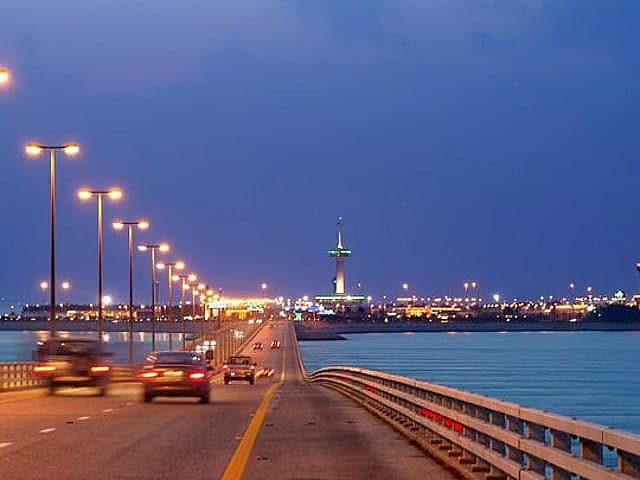
Here's what it means for you.
If you’re involved in the Gulf region's economy or travel, this incident could impact your costs and logistics.
Why it matters
The closure of the King Fahd Causeway highlights the fragility of regional security and its direct implications for trade and travel.
What happened (in 30 seconds)
- The King Fahd Causeway was temporarily closed on April 7, 2026, due to Iranian missile threats against Saudi Arabia.
- Saudi defenses intercepted multiple missiles and drones, prompting precautionary measures to protect critical infrastructure.
- Traffic resumed later that day, but heightened tensions in the region remained a concern for local economies.
The context you actually need
- The closure coincided with escalating U.S.-Iran tensions, particularly regarding the Strait of Hormuz, a vital shipping route for oil.
- Bahrain, hosting the U.S. Navy's Fifth Fleet, is on high alert, indicating the potential for broader military involvement in the region.
- This incident is part of a larger conflict involving Iran, Israel, and the U.S., which has seen increased military actions and threats since February 2026.
What's really happening
On April 7, 2026, the King Fahd Causeway, the only land link between Saudi Arabia and Bahrain, was closed as a precautionary measure following Iranian missile and drone attacks targeting Saudi Arabia's Eastern Province. This closure was a direct response to a series of escalating threats from Iran, which had already been engaged in a blockade of the Strait of Hormuz since late February 2026. The U.S. had issued an ultimatum to Iran, demanding the reopening of this critical maritime route by April 8, or face severe military repercussions.
The Saudi military successfully intercepted between 7 to 11 ballistic missiles and 18 to 22 drones, preventing potential damage to key energy facilities. Debris from intercepted missiles fell near these critical sites, underscoring the immediate threat posed by Iranian actions. The swift closure of the causeway was a strategic decision aimed at safeguarding both national security and economic interests, as the causeway is vital for trade and travel between the two nations.
After safety assessments, the causeway reopened later that same day, allowing normal traffic to resume. However, the incident raised alarm bells across the region, prompting Saudi Arabia and Bahrain to elevate their alert levels. Bahrain's government explicitly warned that its restraint towards Iran has limits, indicating a potential shift towards more aggressive posturing if threats continue.
The broader implications of this incident extend beyond immediate security concerns. The ongoing conflict and the threat of military escalation have already begun to affect oil markets, leading to volatility due to fears surrounding the Strait of Hormuz blockade. This vital waterway is responsible for a significant portion of the world’s oil supply, and any disruption could lead to increased prices globally, affecting economies far beyond the Gulf region.
Moreover, the incident has implications for air travel and tourism, particularly in Dubai, where rising airfare and energy costs are already straining the economy. The interconnectedness of regional security and economic stability means that developments like this can have ripple effects, impacting everything from fuel prices to travel plans for residents and businesses alike.
Who feels it first (and how)
- Travelers: Increased airfare and potential travel disruptions due to heightened security measures.
- Businesses in the Gulf region: Supply chain impacts and increased operational costs due to security concerns.
- Oil markets: Volatility in oil prices affecting global markets and local economies reliant on energy exports.
What to watch next
- U.S. military response: Monitor any actions taken by the U.S. following the ultimatum to Iran, as this could escalate tensions further.
- Regional military readiness: Watch for announcements from Saudi Arabia and Bahrain regarding military preparedness and defense strategies.
- Oil price fluctuations: Keep an eye on oil market responses, particularly regarding prices and supply chain stability in the wake of these tensions.
The King Fahd Causeway was temporarily closed due to missile threats.
Increased military readiness and potential for further escalations in regional tensions.
The long-term impact on oil prices and travel logistics in the Gulf region.
Frequently Asked Questions
- Why it matters?
- The closure of the King Fahd Causeway highlights the fragility of regional security and its direct implications for trade and travel.
- What happened (in 30 seconds)?
- The King Fahd Causeway was temporarily closed on April 7, 2026, due to Iranian missile threats against Saudi Arabia. Saudi defenses intercepted multiple missiles and drones, prompting precautionary measures to protect critical infrastructure. Traffic resumed later that day, but heightened tensions in the region remained a concern for local economies.
- What's really happening?
- On April 7, 2026, the King Fahd Causeway, the only land link between Saudi Arabia and Bahrain, was closed as a precautionary measure following Iranian missile and drone attacks targeting Saudi Arabia's Eastern Province. This closure was a direct response to a series of escalating threats from Iran, which had already been engaged in a blockade of the Strait of Hormuz since late February 2026. The U.S. had issued an ultimatum to Iran, demanding the reopening of this critical maritime route by Apri
- Who feels it first (and how)?
- Travelers: Increased airfare and potential travel disruptions due to heightened security measures. Businesses in the Gulf region: Supply chain impacts and increased operational costs due to security concerns. Oil markets: Volatility in oil prices affecting global markets and local economies reliant on energy exports.
- What to watch next?
- U.S. military response: Monitor any actions taken by the U.S. following the ultimatum to Iran, as this could escalate tensions further. Regional military readiness: Watch for announcements from Saudi Arabia and Bahrain regarding military preparedness and defense strategies. Oil price fluctuations: Keep an eye on oil market responses, particularly regarding prices and supply chain stability in the wake of these tensions.
English-language reporting on Saudi politics, policy, and society.
"Saudi Gazette reflects mainstream Saudi institutional perspectives."
— A47 Editor
Saudi-Bahrain causeway closed over Iranian threats
Authorities have temporarily suspended vehicle movement across the King Fahd Causeway, which connects Bahrain and Saudi Arabia, due to security alerts regarding Iranian threats targeting Saudi Arabia's Eastern Province. The closure is a precautionary...
Arabic-language UAE newspaper coverage focused on domestic affairs, public institutions, business, society, and regional developments.
"Al Khaleej coverage generally reflects a mainstream UAE editorial lens with strong attention to public affairs, institutions, and regional developments."
— A47 Editor
تعليق الحركة على جسر الملك فهد الرابط بين السعودية والبحرين «احترازياً»
The movement of traffic on the King Fahd Causeway, the only land link between Saudi Arabia and Bahrain, has been suspended as a precautionary measure. This decision reflects ongoing safety protocols and concerns regarding cross-border travel between ...
UAE-based newspaper covering Gulf politics, society, and international developments.
"Gulf News is one of the UAE’s most prominent English-language publications."
— A47 Editor
Bridge linking Saudi Arabia to Bahrain closed over Iranian threats as Trump's deadline nears
The bridge connecting Saudi Arabia and Bahrain has been temporarily closed by authorities due to escalating threats from Iran, coinciding with a critical ultimatum issued by U.S. President Donald Trump regarding Iran's actions in the region.
A curated Gulf News feed featuring major stories across news, business, opinion, and lifestyle.
"Gulf News is a major UAE newspaper whose featured stories feed reflects a broad editorial mix shaped for a Gulf audience."
— A47 Editor
Bridge linking Saudi Arabia to Bahrain closed over Iranian threats as Trump's deadline nears
The bridge connecting Saudi Arabia and Bahrain has been temporarily closed by authorities due to escalating threats from Iran, coinciding with a critical ultimatum issued by U.S. President Donald Trump regarding Iran's actions in the region.
Breaking news, politics, business, and entertainment from the U.S. and around the world.
"The New York Post is a tabloid-format newspaper known for its sensationalist headlines and conservative-leaning editorial tone."
— A47 Editor
Vital 15-mile bridge linking Saudi Arabia to Bahrain closed over Iranian threats as Trump’s deadline nears
The King Fahd Causeway, a crucial 15-mile bridge connecting Saudi Arabia and Bahrain, was closed early Tuesday due to threats of Iranian attacks, escalating regional tensions. This closure comes as President Trump intensifies his military rhetoric ag...