
Pro-Iran Collective Releases AI-Generated Propaganda Videos Mocking Trump Amid Ongoing Iran War
Here's what it means for you.
The rise of AI-generated propaganda is reshaping information warfare and could influence global political narratives, impacting your professional landscape.
Why it matters
The proliferation of digital propaganda can alter public perception and policy decisions, affecting international relations and market stability.
What happened (in 30 seconds)
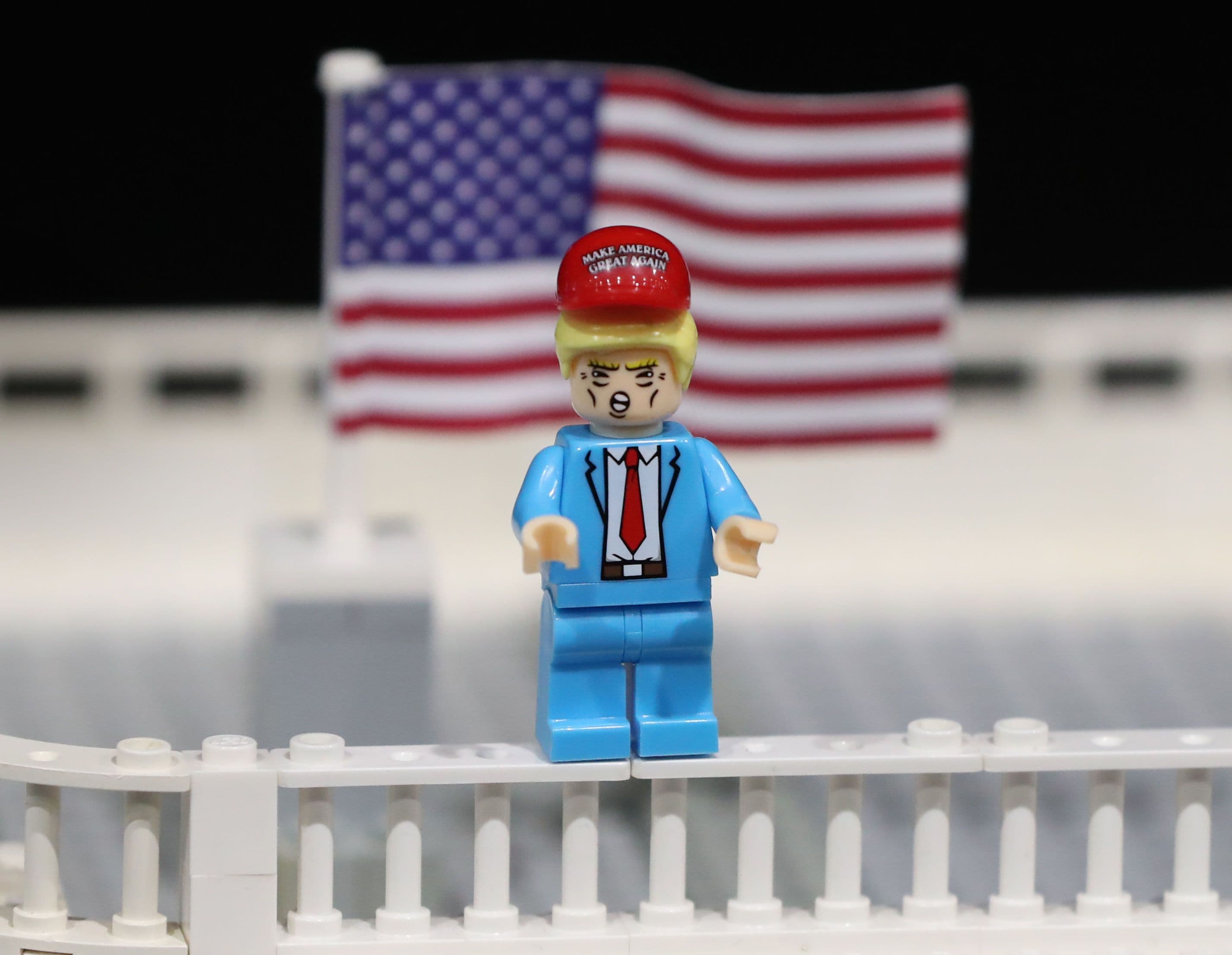
- Pro-Iran collective Explosive Media released an AI-generated Lego video mocking President Trump just after his announcement on April 8, 2026.
- The group has produced over a dozen videos since the onset of the U.S.-Israel-Iran war on February 28, 2026, leveraging cultural references to depict U.S. failures.
- These videos have garnered 145 million views within weeks, significantly outpacing traditional media in engagement and shares.
The context you actually need
- The 2026 Iran War began with U.S. and Israeli airstrikes on Iranian missile sites, escalating tensions in the region.
- Explosive Media pivoted from a low-traction YouTube channel to AI-generated content, capitalizing on Trump's inflammatory rhetoric.
- Iranian state media and embassies have amplified these narratives, creating a coordinated digital front that resonates with disaffected audiences.
What's really happening
The emergence of AI-generated propaganda, particularly from groups like Explosive Media, signifies a new phase in information warfare. This digital campaign is not merely about mocking a political figure; it serves a strategic purpose in shaping narratives around the ongoing conflict. By utilizing culturally relevant formats—like Lego animations—the group effectively engages younger audiences and those disillusioned with traditional media narratives.
The videos released by Explosive Media often depict President Trump in humiliating scenarios, leveraging references that resonate with both American and Iranian audiences. For instance, the use of the term "TACO" (Trump Always Chickens Out) is a clever play on words that combines humor with a critical message about U.S. leadership. This approach not only mocks Trump but also positions Iran as a resilient adversary against U.S. imperialism.
The sheer volume of views—145 million in just weeks—indicates a significant shift in how propaganda is consumed and shared. Traditional media outlets struggle to compete with the virality of such content, which is designed to be easily digestible and shareable across platforms like X, Telegram, TikTok, and YouTube. The rapid spread of these videos highlights a growing trend where digital platforms become battlegrounds for ideological warfare, often without moderation or oversight from the platforms themselves.
Moreover, the Iranian government appears to support these initiatives, as evidenced by the coordinated responses from Iranian embassies and state media. This suggests a strategic alignment between grassroots digital activism and state-sponsored narratives, blurring the lines between independent and government-backed propaganda. Critics have raised concerns about the implications of this relationship, particularly regarding the potential for misinformation and the manipulation of public sentiment.
As the conflict continues, the effectiveness of these videos in shaping perceptions will likely influence U.S. foreign policy and military strategy. The Trump administration's counter-memes, which juxtapose war footage with films, indicate an acknowledgment of this new digital battleground. However, the challenge remains: can traditional narratives compete with the engaging and often humorous content produced by groups like Explosive Media?
Who feels it first (and how)
- Digital marketers: They must adapt strategies to counter misinformation and engage audiences effectively.
- Political analysts: They need to reassess the impact of digital propaganda on public opinion and policy.
- U.S. military and foreign policy officials: They face pressure to respond to the narratives being shaped by these digital campaigns.
- Global citizens: Increased exposure to polarized narratives may affect personal beliefs and political engagement.
What to watch next
- Engagement metrics on social media: Monitor how many views and shares pro-Iran content receives, as it reflects the effectiveness of their messaging.
- Responses from U.S. officials: Watch for shifts in rhetoric or policy as they react to the narratives being constructed by Explosive Media.
- Emergence of counter-propaganda efforts: Observe how traditional media and government entities adapt to the new landscape of digital warfare.
The 2026 Iran War has intensified the use of digital propaganda.
Pro-Iran narratives will continue to proliferate, influencing public perception and policy.
The long-term impact of AI-generated propaganda on international relations remains uncertain.
Frequently Asked Questions
- Why it matters?
- The proliferation of digital propaganda can alter public perception and policy decisions, affecting international relations and market stability.
- What happened (in 30 seconds)?
- Pro-Iran collective Explosive Media released an AI-generated Lego video mocking President Trump just after his announcement on April 8, 2026. The group has produced over a dozen videos since the onset of the U.S.-Israel-Iran war on February 28, 2026, leveraging cultural references to depict U.S. failures. These videos have garnered 145 million views within weeks, significantly outpacing traditional media in engagement and shares.
- What's really happening?
- The emergence of AI-generated propaganda, particularly from groups like Explosive Media, signifies a new phase in information warfare. This digital campaign is not merely about mocking a political figure; it serves a strategic purpose in shaping narratives around the ongoing conflict. By utilizing culturally relevant formats—like Lego animations—the group effectively engages younger audiences and those disillusioned with traditional media narratives. The videos released by Explosive Media often
- Who feels it first (and how)?
- Digital marketers: They must adapt strategies to counter misinformation and engage audiences effectively. Political analysts: They need to reassess the impact of digital propaganda on public opinion and policy. U.S. military and foreign policy officials: They face pressure to respond to the narratives being shaped by these digital campaigns. Global citizens: Increased exposure to polarized narratives may affect personal beliefs and political engagement.
- What to watch next?
- Engagement metrics on social media: Monitor how many views and shares pro-Iran content receives, as it reflects the effectiveness of their messaging. Responses from U.S. officials: Watch for shifts in rhetoric or policy as they react to the narratives being constructed by Explosive Media. Emergence of counter-propaganda efforts: Observe how traditional media and government entities adapt to the new landscape of digital warfare.
Latest WIRED coverage of AI.
"WIRED covers AI at the intersection of tech, culture, and policy."
— A47 Editor
The Pro-Iran Meme Machine Trolling Trump With AI Lego Cartoons
Explosive Media has launched a series of viral AI-generated Lego cartoons that mock former President Trump, coinciding with the ongoing military conflict involving Iran. These videos have gained traction on social media, highlighting the group's pro-...
Emerging technologies, digital transformation, IT, and cultural impact of tech.
"WIRED covers the intersection of technology, culture, and politics with a progressive, forward-looking editorial stance."
— A47 Editor
The Pro-Iran Meme Machine Trolling Trump With AI Lego Cartoons
Explosive Media has launched a series of viral AI-generated Lego cartoons that mock former President Trump, coinciding with the ongoing military conflict involving Iran. These videos have gained traction on social media, highlighting the group's pro-...
Corporate leadership, finance, technology, and market trends.
"Fortune covers financial trends, leadership, and innovation with a pragmatic editorial approach."
— A47 Editor
AI-savvy pro-Iran groups troll America with Lego Movie-style propaganda videos mocking American failure
Pro-Iran groups are leveraging popular culture by creating Lego Movie-style propaganda videos that mock perceived American failures, according to propaganda scholar Nancy Snow. This strategy highlights the use of entertainment as a tool for political...