
White House Denies Nuclear Threats Amid Escalating U.S.-Iran Conflict
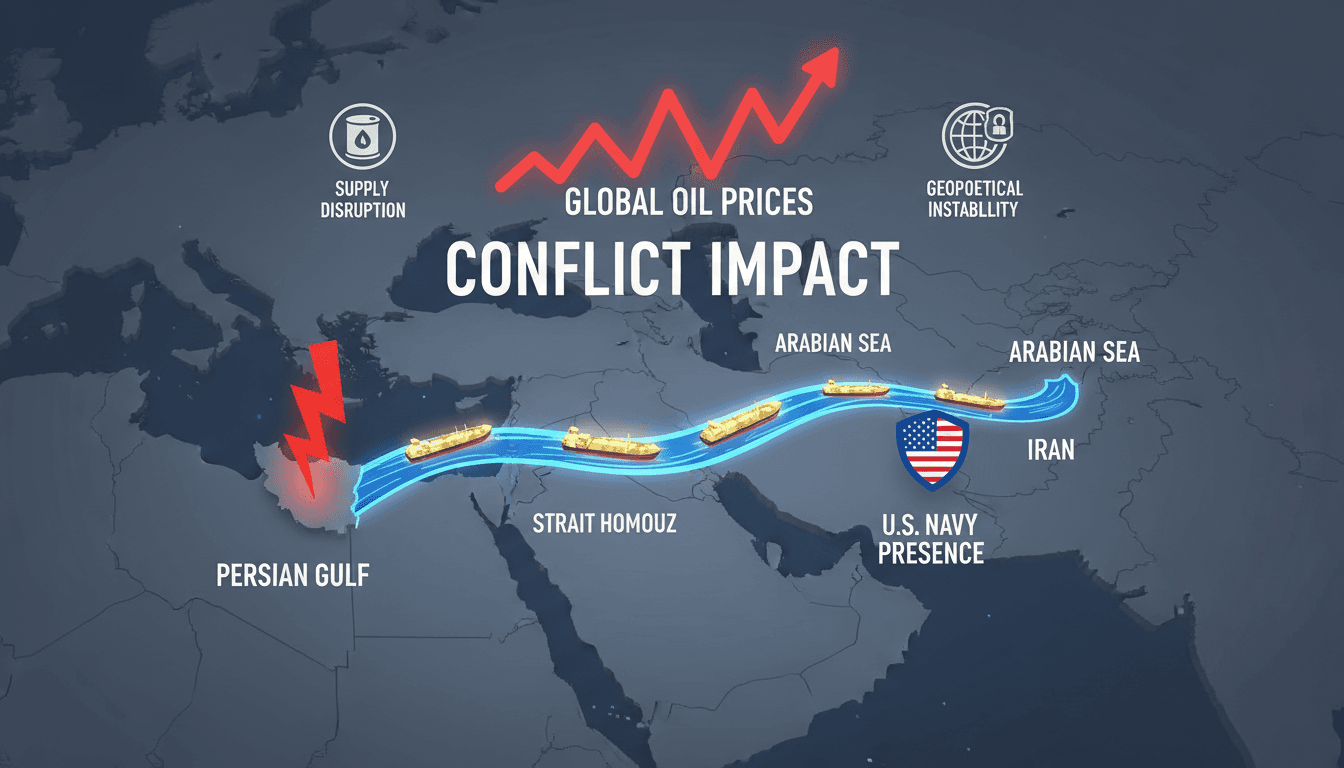
Here's what it means for you.
The escalating U.S.-Iran conflict could impact global oil prices and economic stability, affecting your wallet.
Why it matters
This situation threatens to disrupt oil supplies, which can lead to increased costs for consumers and businesses worldwide.
What happened (in 30 seconds)
- The White House denied any intention to use nuclear weapons against Iran following President Trump's alarming social media post.
- Vice President JD Vance's comments in Budapest were misinterpreted as nuclear threats, prompting a swift clarification from the White House.
- A conditional two-week ceasefire was announced, contingent on Iran reopening the Strait of Hormuz, a critical global oil passage.
The context you actually need
- The U.S.-Iran conflict escalated after American strikes on Iranian nuclear facilities in February 2026, leading to Iran's closure of the Strait of Hormuz.
- Oil prices surged as a result of these tensions, with 90% of Iran's oil exports passing through the targeted Kharg Island.
- The geopolitical landscape is further complicated by indirect negotiations mediated through Pakistan, as both sides seek to stabilize the situation.
What's really happening
The recent escalation in U.S.-Iran tensions stems from a series of military actions and retaliatory measures that have heightened fears of a broader conflict. In late February 2026, the U.S. and Israel conducted strikes on Iranian nuclear facilities, aiming to prevent Iran from developing nuclear weapons. This preemptive action prompted Iran to retaliate by closing the Strait of Hormuz, a vital chokepoint for global oil shipments, which accounts for a significant portion of the world's oil supply.
President Trump’s ultimatum on social media, threatening catastrophic consequences if Iran did not comply with U.S. demands, has drawn widespread condemnation and concern from international leaders. The Vice President's comments in Budapest, which were interpreted as suggesting the U.S. had military options still on the table, added fuel to the fire. The White House's swift denial of any nuclear intentions was an attempt to quell fears and clarify the U.S. stance amid rising tensions.
The conditional ceasefire announced on April 7, 2026, indicates a temporary de-escalation, but it is contingent upon Iran's actions regarding the Strait of Hormuz. This situation is precarious, as the reopening of the strait is crucial for stabilizing oil prices, which have already seen volatility due to the conflict. The economic implications are significant, particularly for countries reliant on oil imports, as disruptions could lead to increased prices at the pump and higher costs for goods and services.
Moreover, the ongoing conflict has implications for regional security, with the UAE and other Gulf states facing threats from Iranian missile and drone incursions. This has led to heightened military readiness in the region, further complicating diplomatic efforts. The situation is a delicate balancing act, where any misstep could lead to a rapid escalation of hostilities.
As the U.S. and Iran navigate this fraught landscape, the stakes are high not only for the countries directly involved but also for global markets and international relations. The potential for miscommunication or misinterpretation of intentions could lead to unintended consequences, making it essential for all parties to proceed with caution.
Who feels it first (and how)
- Consumers: Higher oil prices could lead to increased costs for transportation and goods.
- Businesses: Companies reliant on oil and gas may face rising operational costs, affecting profitability.
- Investors: Volatility in oil markets can impact stock prices and investment strategies, particularly in energy sectors.
- Residents of Dubai and the UAE: Increased military activity and potential Iranian strikes could threaten safety and economic stability.
What to watch next
- Iran's response to the ceasefire: Monitoring whether Iran complies with the reopening of the Strait of Hormuz will be crucial for oil market stability.
- Global oil prices: Fluctuations in Brent crude prices will indicate market reactions to ongoing tensions and potential resolutions.
- Diplomatic negotiations: Watch for developments in U.S.-Iran negotiations, particularly any involvement from third-party mediators like Pakistan.
The U.S. and Iran are engaged in a tense military standoff, with significant implications for global oil markets.
Oil prices will remain volatile as the situation develops, impacting economies worldwide.
The long-term effects of the ceasefire on U.S.-Iran relations and regional stability remain uncertain.
Frequently Asked Questions
- Why it matters?
- This situation threatens to disrupt oil supplies, which can lead to increased costs for consumers and businesses worldwide.
- What happened (in 30 seconds)?
- The White House denied any intention to use nuclear weapons against Iran following President Trump's alarming social media post. Vice President JD Vance's comments in Budapest were misinterpreted as nuclear threats, prompting a swift clarification from the White House. A conditional two-week ceasefire was announced, contingent on Iran reopening the Strait of Hormuz, a critical global oil passage.
- What's really happening?
- The recent escalation in U.S.-Iran tensions stems from a series of military actions and retaliatory measures that have heightened fears of a broader conflict. In late February 2026, the U.S. and Israel conducted strikes on Iranian nuclear facilities, aiming to prevent Iran from developing nuclear weapons. This preemptive action prompted Iran to retaliate by closing the Strait of Hormuz, a vital chokepoint for global oil shipments, which accounts for a significant portion of the world's oil suppl
- Who feels it first (and how)?
- Consumers: Higher oil prices could lead to increased costs for transportation and goods. Businesses: Companies reliant on oil and gas may face rising operational costs, affecting profitability. Investors: Volatility in oil markets can impact stock prices and investment strategies, particularly in energy sectors. Residents of Dubai and the UAE: Increased military activity and potential Iranian strikes could threaten safety and economic stability.
- What to watch next?
- Iran's response to the ceasefire: Monitoring whether Iran complies with the reopening of the Strait of Hormuz will be crucial for oil market stability. Global oil prices: Fluctuations in Brent crude prices will indicate market reactions to ongoing tensions and potential resolutions. Diplomatic negotiations: Watch for developments in U.S.-Iran negotiations, particularly any involvement from third-party mediators like Pakistan.
Arabic-language coverage of political affairs and current events.
"Okaz political coverage typically follows mainstream Saudi framing on national and regional affairs."
— A47 Editor
البيت الأبيض يرد على المخاوف: لن نستخدم «النووي» في إيران
The White House firmly denied any intention to use nuclear weapons in Iran following concerns raised by former U.S. officials after President Donald Trump’s alarming statement that 'a whole civilization will die tonight.' The denial was communicated ...
Pan-Arab news coverage spanning politics, business, sports, and regional affairs.
"Asharq Al-Awsat reflects a broad Arab editorial perspective with strong attention to regional geopolitics."
— A47 Editor
البيت الأبيض ينفي عزم واشنطن استخدام السلاح النووي في إيران
The White House firmly denied on Tuesday any intention to use nuclear weapons in Iran, issuing a statement through its account on the platform X. This clarification comes amid ongoing tensions in the region and concerns over nuclear proliferation.
Arabic-language UAE newspaper coverage focused on domestic affairs, public institutions, business, society, and regional developments.
"Al Khaleej coverage generally reflects a mainstream UAE editorial lens with strong attention to public affairs, institutions, and regional developments."
— A47 Editor
البيت الأبيض ينفي عزم واشنطن استخدام السلاح النووي في إيران
The White House firmly denied any intention of the United States to use nuclear weapons in Iran, responding to a post on X linked to former Vice President Kamala Harris. The statement followed a video featuring U.S. Vice President Jay D. Vance during...