
Pope Leo XIV Condemns Trump's Threats Against Iran as Unacceptable
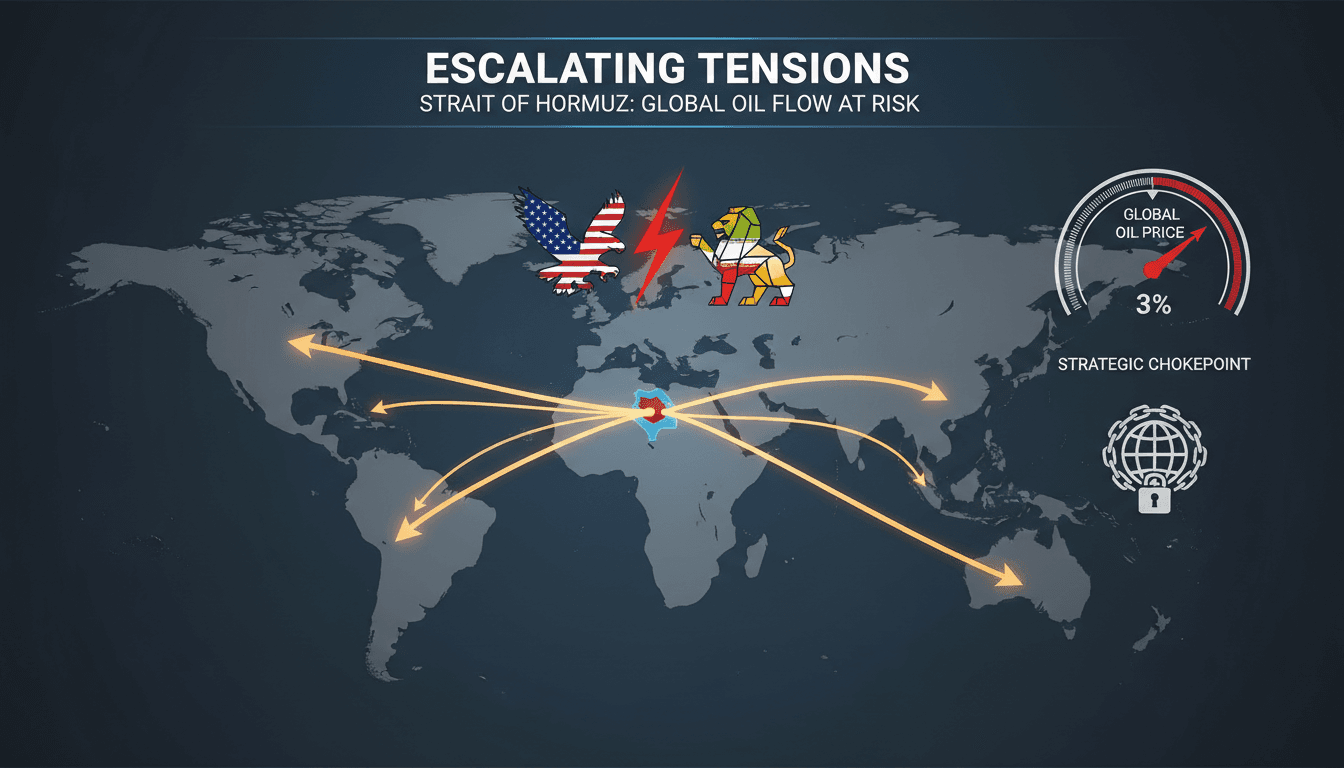
Here's what it means for you.
The escalating rhetoric between the U.S. and Iran could impact global oil prices and regional stability, affecting markets and expatriate communities.
Why it matters
The conflict has significant implications for international relations, energy markets, and civilian safety in the Middle East.
What happened (in 30 seconds)
- Pope Leo XIV criticized U.S. President Donald Trump's threats to destroy Iranian civilization, calling them "truly unacceptable."
- Trump announced a two-week suspension of military strikes conditional on Iran reopening the Strait of Hormuz.
- Oil prices surged to nearly $112 per barrel amid fears of conflict escalation and infrastructure strikes.
The context you actually need
- The 2026 Iran war began on February 28, 2026, following U.S.-Israeli airstrikes targeting Iranian military sites, escalating tensions in the region.
- Pope Leo XIV, the first American-born pope, has positioned the Vatican against the war, labeling it "unjust" and advocating for peace.
- Dubai residents have faced over 2,200 intercepted Iranian drone and missile attacks since February 2026, leading to economic instability and heightened fears among the expatriate population.
What's really happening
The ongoing U.S.-Iran conflict has deep roots in geopolitical tensions, particularly surrounding Iran's nuclear ambitions and its influence in the Middle East. The U.S. response, characterized by military action and aggressive rhetoric, reflects a broader strategy to deter Iranian expansionism. Trump's ultimatum on April 7, 2026, was a culmination of escalating threats, with the president demanding compliance from Iran to reopen the vital Strait of Hormuz, a critical chokepoint for global oil shipments.
Pope Leo XIV's condemnation of Trump's threats highlights a moral dimension to the conflict, emphasizing the humanitarian implications of military actions. His call for global citizens to pressure their leaders for peace underscores a growing concern about the civilian toll of warfare, particularly in a region already suffering from instability. The pontiff's remarks resonate with a wider audience, including U.S. Catholic bishops who echoed his sentiments, further complicating the political landscape for Trump.
The immediate aftermath saw a temporary easing of hostilities, with Trump agreeing to a suspension of strikes, which may have been influenced by Pope Leo's public outcry. However, the underlying tensions remain unresolved, as Iran's leadership faces internal and external pressures, including protests against the war and the economic fallout from international sanctions.
The situation is further complicated by the economic implications of the conflict. Oil prices, which surged to nearly $112 per barrel, reflect market fears over supply disruptions due to military actions in the region. This volatility directly impacts consumers and businesses globally, particularly in oil-dependent economies like the UAE, where expatriates make up a significant portion of the population.
As the conflict continues, the potential for further escalation remains, with both sides likely to engage in a series of tactical maneuvers aimed at asserting dominance while avoiding full-scale war. The interplay between military strategy, economic interests, and humanitarian concerns will shape the trajectory of U.S.-Iran relations in the coming months.
Who feels it first (and how)
- Expatriates in Dubai: Facing heightened tensions and economic instability, leading to potential evacuations and property market downturns.
- Oil-dependent economies: Experiencing volatility in oil prices, affecting budgets and economic forecasts.
- International political leaders: Under pressure to respond to public sentiment against military escalation and advocate for peace.
What to watch next
- Iran's response: Monitor how Iranian leadership reacts to the suspension of strikes and whether it leads to diplomatic negotiations.
- Oil market fluctuations: Watch for changes in Brent crude prices as geopolitical tensions evolve, impacting global markets.
- Public sentiment: Observe how the public, particularly in the U.S. and Europe, responds to the conflict and the Vatican's stance, which could influence political discourse.
Pope Leo XIV's condemnation of Trump's threats and the temporary suspension of U.S. strikes.
Continued volatility in oil prices and ongoing diplomatic efforts to de-escalate tensions.
The long-term impact of the conflict on U.S.-Iran relations and regional stability.
Frequently Asked Questions
- Why it matters?
- The conflict has significant implications for international relations, energy markets, and civilian safety in the Middle East.
- What happened (in 30 seconds)?
- Pope Leo XIV criticized U.S. President Donald Trump's threats to destroy Iranian civilization, calling them "truly unacceptable." Trump announced a two-week suspension of military strikes conditional on Iran reopening the Strait of Hormuz. Oil prices surged to nearly $112 per barrel amid fears of conflict escalation and infrastructure strikes.
- What's really happening?
- The ongoing U.S.-Iran conflict has deep roots in geopolitical tensions, particularly surrounding Iran's nuclear ambitions and its influence in the Middle East. The U.S. response, characterized by military action and aggressive rhetoric, reflects a broader strategy to deter Iranian expansionism. Trump's ultimatum on April 7, 2026, was a culmination of escalating threats, with the president demanding compliance from Iran to reopen the vital Strait of Hormuz, a critical chokepoint for global oil sh
- Who feels it first (and how)?
- Expatriates in Dubai: Facing heightened tensions and economic instability, leading to potential evacuations and property market downturns. Oil-dependent economies: Experiencing volatility in oil prices, affecting budgets and economic forecasts. International political leaders: Under pressure to respond to public sentiment against military escalation and advocate for peace.
- What to watch next?
- Iran's response: Monitor how Iranian leadership reacts to the suspension of strikes and whether it leads to diplomatic negotiations. Oil market fluctuations: Watch for changes in Brent crude prices as geopolitical tensions evolve, impacting global markets. Public sentiment: Observe how the public, particularly in the U.S. and Europe, responds to the conflict and the Vatican's stance, which could influence political discourse.
National headlines across the United States including breaking stories and societal issues.
"NBC News is a mainstream media outlet known for comprehensive national and international news coverage with a centrist to slightly left-leaning editorial tone."
— A47 Editor
Pope Leo criticizes Trump threats to destroy Iran
Pope Leo has publicly criticized President Trump's aggressive threats to destroy Iran, emphasizing the potential humanitarian consequences of such military actions. The Pope's remarks come amid escalating tensions between the U.S. and Iran, particula...
Global news coverage with extensive reporting on Middle Eastern conflicts and geopolitics.
"Al Jazeera is a Qatar-based broadcaster known for wide regional coverage and alternative perspectives."
— A47 Editor
Pope Leo slams Trump’s threat that Iran’s ‘civilisation will die’
Pope Leo condemned U.S. President Donald Trump's recent threats against Iran, specifically his statement that Iran's 'civilization will die,' labeling such remarks as 'unacceptable.' This condemnation reflects the Pope's ongoing concern regarding esc...
Comprehensive coverage of Middle Eastern and global issues.
"Al Jazeera is a prominent voice from the Global South, especially the Middle East, with an emphasis on underreported stories."
— A47 Editor
Pope Leo slams Trump’s threat that Iran’s ‘civilisation will die’
Pope Leo condemned U.S. President Donald Trump's recent threats against Iran, specifically his statement that Iran's 'civilization will die,' labeling such remarks as 'unacceptable.' This condemnation reflects the Pope's ongoing concern regarding esc...
Regional coverage and analysis focused on politics, diplomacy, and business across the Middle East.
"Al-Monitor is known for analytical reporting on Middle East politics and policy developments."
— A47 Editor
Pope Leo calls Trump's threat against Iran 'truly unacceptable'
Pope Leo condemned U.S. President Donald Trump's recent threats against Iran, labeling them as 'truly unacceptable.' This statement came shortly after Trump warned that 'a whole civilization will die tonight' if Iran does not comply with U.S. demands...
Business, investment, entrepreneurship, leadership, and innovation.
"Forbes is known for its coverage of business leaders, market trends, and entrepreneurial ventures with a pro-business editorial stance."
— A47 Editor
Pope Leo Tells Trump ‘Attacks On Civilian Infrastructure’ Unlawful Ahead Of Iran Deadline
Archbishop Paul S. Coakley stated that attacks on civilian infrastructure are unlawful, coinciding with President Trump's ultimatum for Iran to reopen the Strait of Hormuz by 8 p.m. Tuesday. This statement comes amid heightened tensions following mil...