
Controversy Erupts Over AI Authorship Claims in French Literary Scene
Why it matters
The accuracy of AI writing detectors impacts the integrity of literary and academic work, influencing how authors are perceived and how educational institutions assess writing.
What happened (in 30 seconds)
- A controversy erupted in the French literary scene when Thelyson Orelien's debut novel was flagged as AI-generated by the Pangram detector.
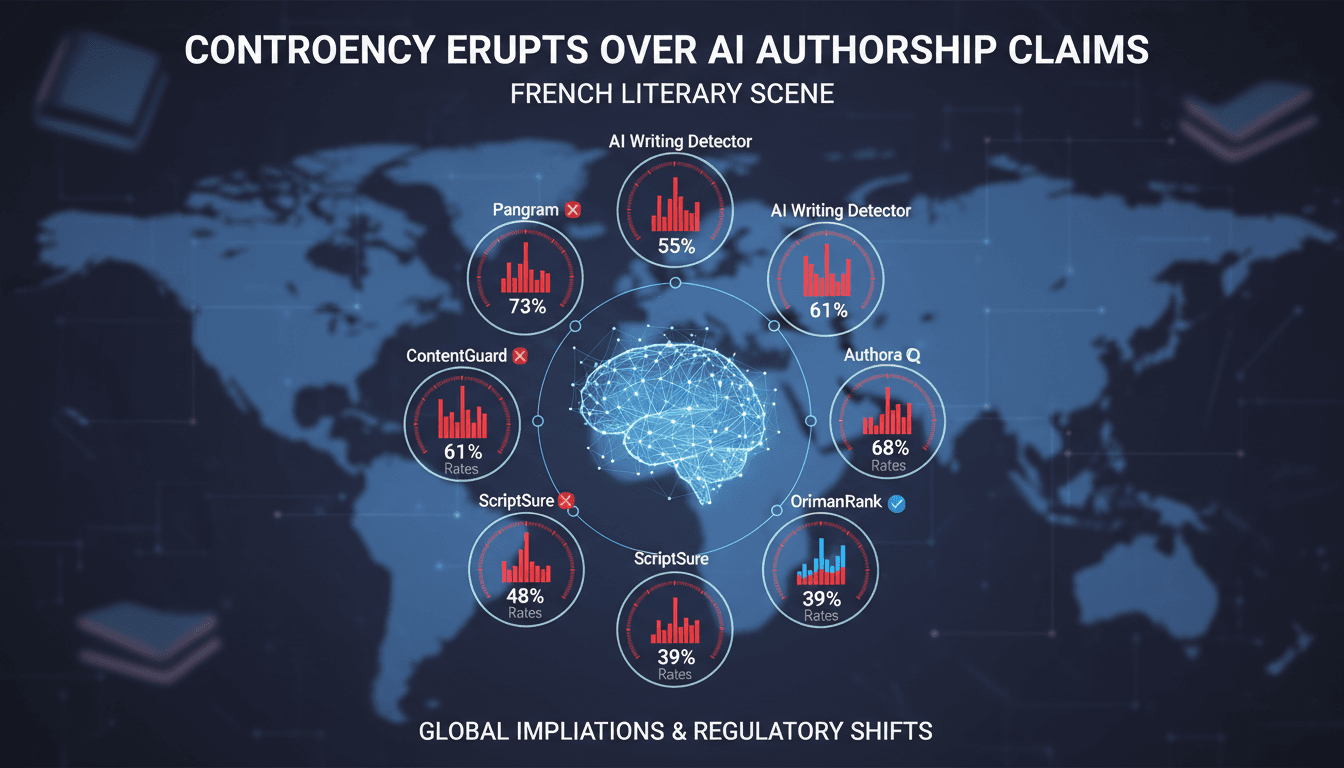
- Multiple detection tools provided conflicting results, raising questions about their reliability and the potential for false positives.
- Experts and critics are now calling for a reevaluation of how these tools are used, emphasizing the need for hybrid verification methods.
The context you actually need
- Generative AI tools like ChatGPT and Claude have become widely used in writing since 2022, prompting the development of detection software.
- Detection methods analyze linguistic patterns and statistical deviations but struggle with the rapid evolution of AI and diverse writing styles.
- Previous incidents in the literary world have set the stage for heightened scrutiny of AI-generated content and its implications for authorship.
What's really happening
The recent controversy surrounding Thelyson Orelien's debut novel highlights a critical juncture in the intersection of technology and literature. As generative AI tools have gained traction, the need for reliable detection methods has become paramount. The Pangram detector's claim that Orelien's work was largely AI-generated sparked a debate that underscores the limitations of current detection technologies.
Detection tools typically analyze linguistic patterns, sentence structures, and statistical deviations from what is considered "human writing." However, the rapid advancement of AI capabilities presents a moving target for these detectors. For instance, a study from the University of Florida revealed that false positive rates across commercial AI text detectors can range from 0.05% to 68.6%. This variability raises significant concerns about the reliability of these tools, especially when they are used to assess the authenticity of literary works.
Orelien's response to the allegations emphasized his human authorship, rooted in personal and cultural traditions. This incident illustrates the broader implications of relying solely on AI detectors, particularly for authors who may have unique writing styles or come from diverse linguistic backgrounds. Critics argue that these tools can misinterpret non-standard styles or non-native English writing, leading to unjust accusations of AI authorship.
The CEO of Pangram acknowledged that their tools should be viewed as investigative starting points rather than definitive proof of authorship. This perspective is crucial as the literary community grapples with the implications of AI-generated content. The ongoing debate has prompted calls for deeper investigations into authorship claims and a reevaluation of how AI tools are integrated into publishing contracts and educational assessments.
As the landscape of writing continues to evolve, the need for hybrid verification methods that combine human judgment with AI analysis is becoming increasingly clear. This approach could help mitigate the risks associated with false positives and ensure that authors are fairly represented in an era where AI plays an ever-growing role in content creation.
Who feels it first (and how)
- Authors: Facing potential reputational damage from false accusations of AI-generated work.
- Educators: Navigating the challenges of assessing student writing in an era of AI assistance.
- Publishers: Reevaluating contracts and policies regarding the use of AI in literary production.
- Students: Particularly international students may experience bias in assessments due to detector limitations.
What to watch next
- Increased scrutiny of AI detection tools in publishing contracts, which could redefine author rights and responsibilities.
- Emergence of hybrid verification methods that combine human and AI assessments, potentially leading to more accurate evaluations of authorship.
- Policy changes in educational institutions regarding the use of AI in student writing, which may influence how writing is taught and assessed.
The controversy has sparked a debate about the reliability of AI writing detectors.
There will be a push for hybrid verification methods in both publishing and education.
The long-term impact on authorship perception and literary integrity remains to be seen.
Frequently Asked Questions
- Why it matters?
- The accuracy of AI writing detectors impacts the integrity of literary and academic work, influencing how authors are perceived and how educational institutions assess writing.
- What happened (in 30 seconds)?
- A controversy erupted in the French literary scene when Thelyson Orelien's debut novel was flagged as AI-generated by the Pangram detector. Multiple detection tools provided conflicting results, raising questions about their reliability and the potential for false positives. Experts and critics are now calling for a reevaluation of how these tools are used, emphasizing the need for hybrid verification methods.
- What's really happening?
- The recent controversy surrounding Thelyson Orelien's debut novel highlights a critical juncture in the intersection of technology and literature. As generative AI tools have gained traction, the need for reliable detection methods has become paramount. The Pangram detector's claim that Orelien's work was largely AI-generated sparked a debate that underscores the limitations of current detection technologies. Detection tools typically analyze linguistic patterns, sentence structures, and statis
- Who feels it first (and how)?
- Authors: Facing potential reputational damage from false accusations of AI-generated work. Educators: Navigating the challenges of assessing student writing in an era of AI assistance. Publishers: Reevaluating contracts and policies regarding the use of AI in literary production. Students: Particularly international students may experience bias in assessments due to detector limitations.
- What to watch next?
- Increased scrutiny of AI detection tools in publishing contracts, which could redefine author rights and responsibilities. Emergence of hybrid verification methods that combine human and AI assessments, potentially leading to more accurate evaluations of authorship. Policy changes in educational institutions regarding the use of AI in student writing, which may influence how writing is taught and assessed.
Latest AI/ML research news and breakthroughs.
"Aggregated research highlights across institutions."
— A47 Editor
Spotting AI writing: How reliable are the detectors?
Claims have emerged that Thelyson Orelien, a Canadian-Haitian writer, utilized AI tools to compose his bestselling debut novel, stirring significant controversy within the French literary community. This revelation raises critical questions regarding...
News and features on AI from The Guardian.
"Progressive-leaning international outlet with critical AI coverage."
— A47 Editor
Novelist accused of using AI to write book removed from French prize list
Thélyson Orélien, a Canadian-Haitian novelist, has been removed from the longlist for France’s prestigious Académie Goncourt literary prize after an anonymous social media account alleged that his novel, C’était ça ou mourir (It Was That or Die), was...
Arts, film, music, pop culture, and media criticism.
"The Guardian is known for its progressive editorial stance and in-depth analysis, often exploring the cultural impact of entertainment."
— A47 Editor
Novelist accused of using AI to write book removed from French prize list
Thélyson Orélien, a Canadian-Haitian novelist, has been removed from the longlist for France’s prestigious Académie Goncourt literary prize after an anonymous social media account alleged that his novel, C’était ça ou mourir (It Was That or Die), was...
International coverage from The Guardian's global desks.
"The Guardian is known for its progressive editorial stance and in-depth analysis."
— A47 Editor
Novelist accused of using AI to write book removed from French prize list
Thélyson Orélien, a Canadian-Haitian novelist, has been removed from the longlist for France’s prestigious Académie Goncourt literary prize after an anonymous social media account alleged that his novel, C’était ça ou mourir (It Was That or Die), was...
Reports on arts, film, culture, literature, and entertainment industry developments.
"Dow Jones Arts & Culture offers coverage of visual arts, theater, music, and cultural events with a WSJ-backed journalistic lens."
— A47 Editor
His Debut Novel Was a Literary Sensation. Was It Actually Written by AI?
Thélyson Orélien, a Canadian-Haitian novelist, has been removed from the longlist for France's prestigious Académie Goncourt literary prize following allegations that his debut novel, 'It Was Either That or Die,' was largely written by artificial int...