
Orionid Meteor Shower Peaks with Reduced Visibility Due to Moonlight
What happened
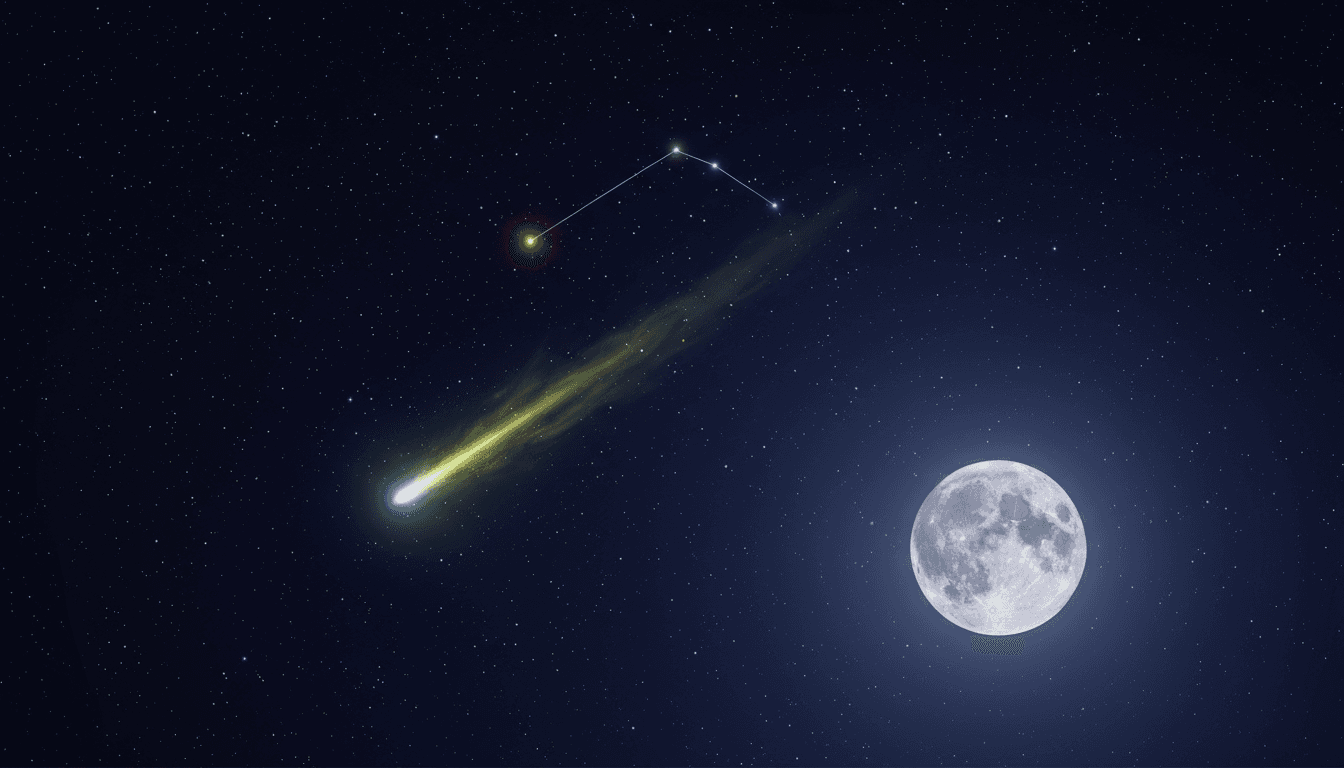
The Orionid meteor shower reached peak activity overnight on October 21-22, 2026.
The Context
- Annual event: The Orionids occur when Earth passes through debris from Comet 1P/Halley, producing 10-20 meteors per hour under ideal conditions.
- Visibility challenges: A waxing gibbous Moon illuminated the sky at 80%, limiting visibility until after moonset.
- Global interest: Amateur astronomers shared tips and images, fostering community engagement around stargazing.
The Number
meteors per hour at peak visibility highlights the shower's potential for breathtaking views, making it a prime event for networking and collaboration among astronomy enthusiasts.
Takeaway
As the shower activity declines through early November, expect continued interest in stargazing events and community gatherings.
Space science news, astronomy updates, and spaceflight developments.
"Space.com delivers space science news, astronomy updates, and spaceflight developments with engaging coverage."
— A47 Editor
Orionid meteor shower peaks tonight: Here's the best time to spot shooting stars
The Orionid meteor shower is set to peak tonight, October 21-22, 2026, providing an opportunity for skywatchers to witness a spectacular display of shooting stars as Earth passes through debris from Halley's Comet. Observers can expect to see between...
Science and technology stories including AI.
"Longstanding science magazine with thoughtful AI coverage."
— A47 Editor
See the Orionids meteor shower at its peak this week
The Orionids meteor shower is currently at its peak, with shooting stars originating from Halley's Comet, providing a spectacular celestial display for stargazers. This annual event typically occurs in October, attracting attention from astronomy ent...
Scientific research, technology, environment, and society.
"Scientific American is one of the oldest and most authoritative science magazines, known for deep dives into science, technology, and society."
— A47 Editor
See the Orionids meteor shower at its peak this week
The Orionids meteor shower is currently at its peak, with shooting stars originating from Halley's Comet, providing a spectacular celestial display for stargazers. This annual event typically occurs in October, attracting attention from astronomy ent...
Scientific discoveries, health, technology, and natural phenomena.
"Live Science reports on scientific discoveries, health, technology, and natural phenomena with a popular science tone."
— A47 Editor
See pieces of Halley's Comet fall to Earth this week as the Orionid meteor shower peaks
The Orionid meteor shower is set to peak overnight on October 21-22, 2026, providing an opportunity for skywatchers to witness shooting stars resulting from debris left by Halley's Comet. This annual celestial event is highly anticipated, with observ...